AZE
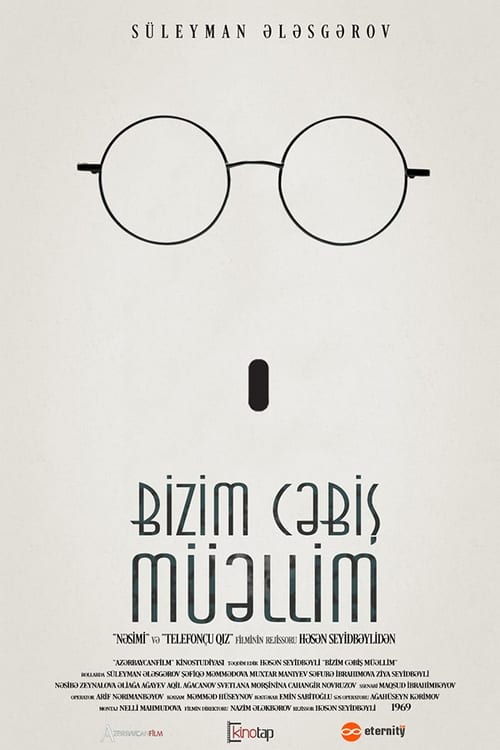
Azərbaycan kino tarixinin qızıl dövründə qeydə alınmış bu film mənə görə bir qədər xəyal qırıqlığı oldu. Uşaq vaxtı izləyəndə təbii ki, bu qədər analiz edə bilməyib sadəcə izləyib keçmişdim, lakin indi əsəbimə toxunan bir neçə məqam olduğu da bir gerçəkdir.
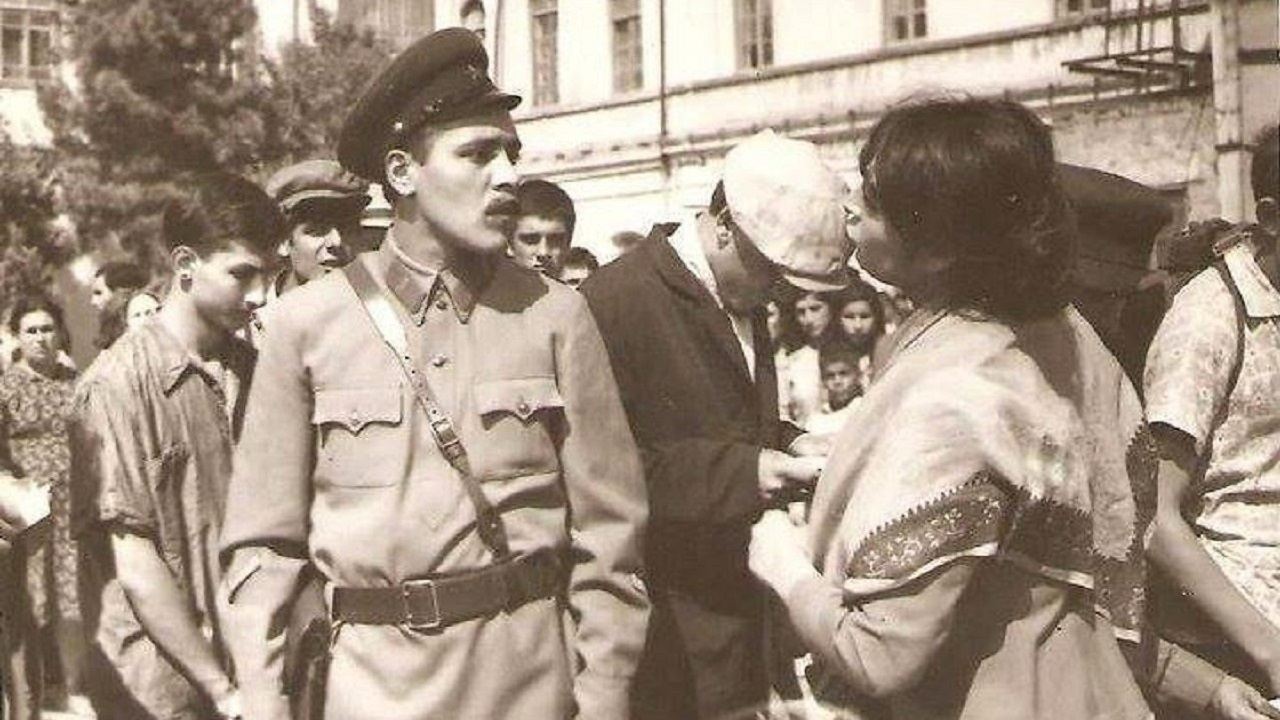
Elə hekayə özü SSRİ-in maraqları doğrultusunda yontularaq çəkildiyi çox bəllidir. Filmdəki baş obraz olan Cəbişin motivasiyası birəbir SSRİ-in yeritməyə çalışdığı idealogiya ilə eyni olub, cəmiyyət üçün bir propagandanın qurbanı halını alıb. Müharibədə iştirak etməyin hər bir kişinin ən başlıca vəzifəsi kimi "lanse edilib", müharibənin az da olsa romantikləşdirilməsi məni cin atına mindirirdi. Və film bu perspektivi elə ələ alırdı ki, yəni ya əsgər olacaqsan, ya da cəbhədə olmadan vətən müharibəsində faydan olmalıdır. Əksi düşünülə bilməz və ya əks bir davranış sərgiləmək olmaz. Belə bir davranış göstərən şəxs vətən xaini kimi adlandırılıb cəmiyyət tərəfindən qısnamaya məruz qoyulur. Bu film bildiyiniz müharibədən çıxmış bir ölkədə hakimiyyətin gücü əlində rahatca tutmaq üçün filmləri propaganda kimi işlətməyə çalışmasının bir nümunəsidir (aradan 24 il keçmiş olmasına baxmayaraq). Qırdığım bal elə məhz buna görədir👎🏿👎🏿👎🏿 Hələ üzsüz SSRİ Tarkovsky'in "Solaris" filminə də burnunu soxub. Sox da içivə, ay SSRİ.
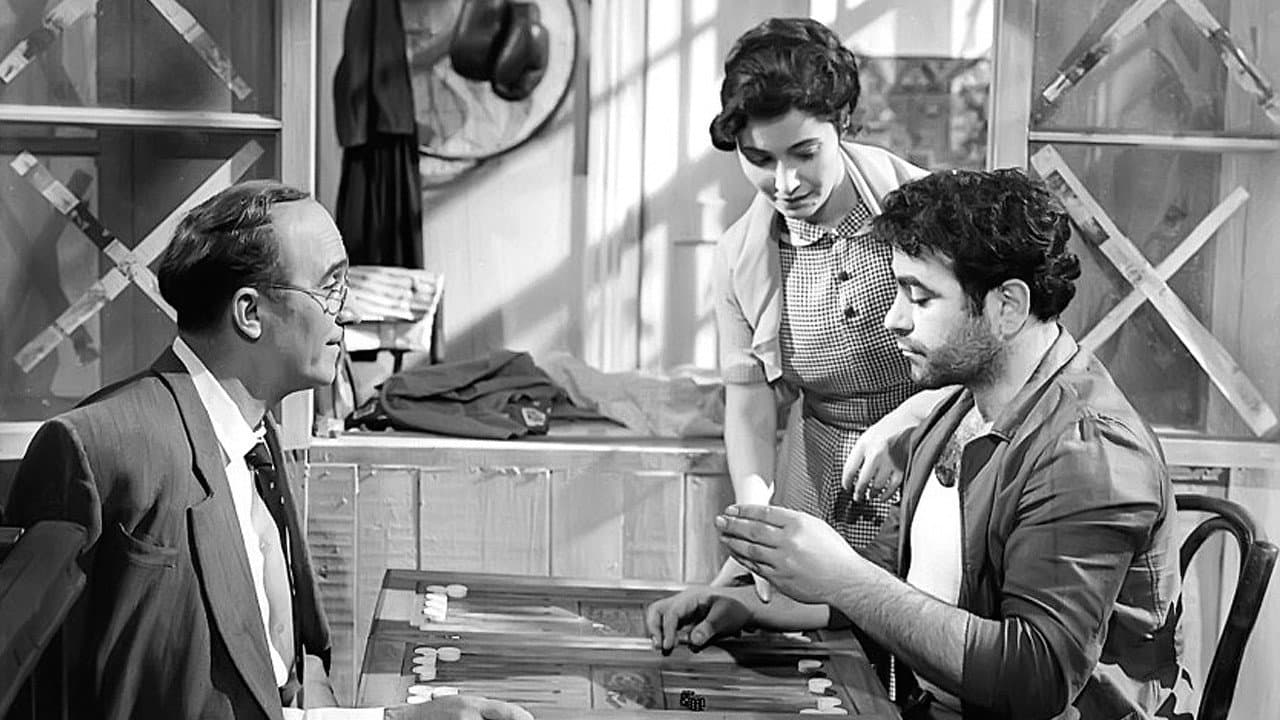
Nəysə SSRİ-i söyüb rahatlayandan sonra digər məqamlara keçə bilərik. Cəbiş istisna, məncə, bütün obrazlar çox realist idi. Cəbiş müəllim özü də düzdü realistlik parçaları daşıyır özündə, lakin o çox uc bir səviyyədə vətənpərvərlik və sistem seviciliyi edirdi. Mənə görə ən normal və reallıqa uyəun obraz elə ana obrazı idi. Yəni ana obrazı tam bir DİVA, İCON, QUEEN🙏🏿🙏🏿🙏🏿 Qadının motivasiyası birbaşa gerçəkliyi izləyiciyə şapalaq kimi çırpır. Onun öncəliyi özü və övladlarıdır, dövlət deyil. Anam da həmişə bizə "yeyin mənim şuppala balalarım" deyirdi😭😭😭 ona görə extra qadını sempatik hesab etmiş ola bilərəm. Bir mənə mi elə gəldi, ya həqiqətən mi elədir bilmirəm, amma film sanki o qadını pis obraz timsalı kimi göstərməyə çalışıb. Ya da mən çox emosional yanaşıram.
Filmdə istifadə olunan səhnə keçişləri, Bakı sahilindəki səhnələr azca da olsa professional bir hava qatıb. Və izləmə zövqünü artırmaqda köməkçi rol oynayıb.
Filmi propaganda aləti olduğu üçün nə qədər atəşə tutmuş olsam da, o dövrün çətinliyini və problemlərini səhnələşdirməkdə məharətli olublar. İnsanların ilkin ehtiyaclara olan qida və gigiyena vasitələrinə olan əlçatanlığının az olması kimi problemlər tam çılpaqlığı ilə izləyiciyə çatdırılır. Məhz bu nöqtədə Cəbiş və ana obrazları qarşı-qarşıya gəlir deyə bilərəm, bir tərəf vətənimiz qısa müddətli pis vaxtdan keçir nə edə bilsək yararadır deyib dövlətə bir növ kölə kimi çalışmaq tərəfdarı ikən, digər tərəf dövlətdən qabaq şəxsi mənafeyin olduğu fikrinə sahib çıxıb qoruyur. Birimiz hamımız, hamımız isə birimiz üçün fikri bir çox məqamda düzgün işləmir mənə görə. Budur ki, Cəbişin idealogiyası mənə tamamilə zidd gəldi.
Deyəsən həyatda heç vaxt Cəbiş müəllim kimi bir dövlətin idealogiyasına bu qədər sadiq biri ola bilməyəcəm. Sorry not sorry
ENG
This film, recorded during the golden age of Azerbaijani cinema, was, for me, somewhat of a disappointment. When I watched it as a child, of course, I couldn’t analyze it this deeply — I simply watched and moved on. But revisiting it now, it’s undeniable that several aspects genuinely got on my nerves.
First of all, it’s painfully obvious that the story itself was carved and shaped to serve the interests of the USSR. The motivation of the main character, Cəbiş, directly aligns with the ideology the Soviet Union was trying to impose, turning him into a victim of propaganda for society. Participating in the war is “presented” as the ultimate duty of every man, and even a slight romanticization of war absolutely drove me mad. The film frames this perspective in such a way that you either become a soldier, or you must somehow be useful to the homeland without being on the front lines. No alternative way of thinking is allowed, and any opposing behavior is unacceptable. Anyone who acts otherwise is labeled a traitor and subjected to social ostracism.
This film is a clear example of how a government, in a country that has just come out of war, tries to use cinema as a propaganda tool to comfortably maintain its grip on power (even though 24 years have passed since then). The points I deducted are exactly for this reason 👎🏿👎🏿👎🏿
And on top of that, the shameless USSR even stuck its nose into Tarkovsky’s Solaris. Stick your nose in if you want, USSR — but seriously.
Anyway, now that I’ve cursed the USSR and feel relieved, we can move on to other points.
With the exception of Cəbiş, I think all the characters were quite realistic. Cəbiş himself does carry some elements of realism, but his patriotism and love for the system were expressed at an extremely shallow and excessive level. In my opinion, the most normal and reality-aligned character was the mother. The mother character was a complete DIVA, ICON, QUEEN 🙏🏿🙏🏿🙏🏿
Her motivation slaps reality straight into the viewer’s face. Her priority is herself and her children — not the state. My own mother used to tell us, “Eat, my chubby little babies” 😭😭😭 so maybe that’s why I found her extra sympathetic. I don’t know if it’s just me, but it felt like the film was trying to portray this woman as a negative character — or maybe I’m just being overly emotional.
The scene transitions used in the film, along with the shots on the Baku seaside, added at least a somewhat professional atmosphere and helped enhance the viewing experience.
Even though I heavily criticized the film for being a propaganda tool, it did succeed in portraying the hardships and problems of that era skillfully. Issues such as people’s limited access to basic necessities like food and hygiene products are shown to the audience in their full naked reality. At this exact point, I’d say Cəbiş and the mother characters stand in direct opposition to each other. One side argues that the homeland is going through a short-term bad period and that one should do whatever possible to help, essentially working like a slave for the state. The other side defends and protects the idea that personal interest comes before the state.
The idea of “one for all, and all for one” doesn’t work properly in many cases, in my opinion. That’s why Cəbiş’s ideology felt completely alien to me.
I guess I’ll never be someone who can be this loyal to a state’s ideology the way Cəbiş müəllim is.
Sorry, not sorry.