Imagine fumbling a baddie like Emanuelle just for being homophobic
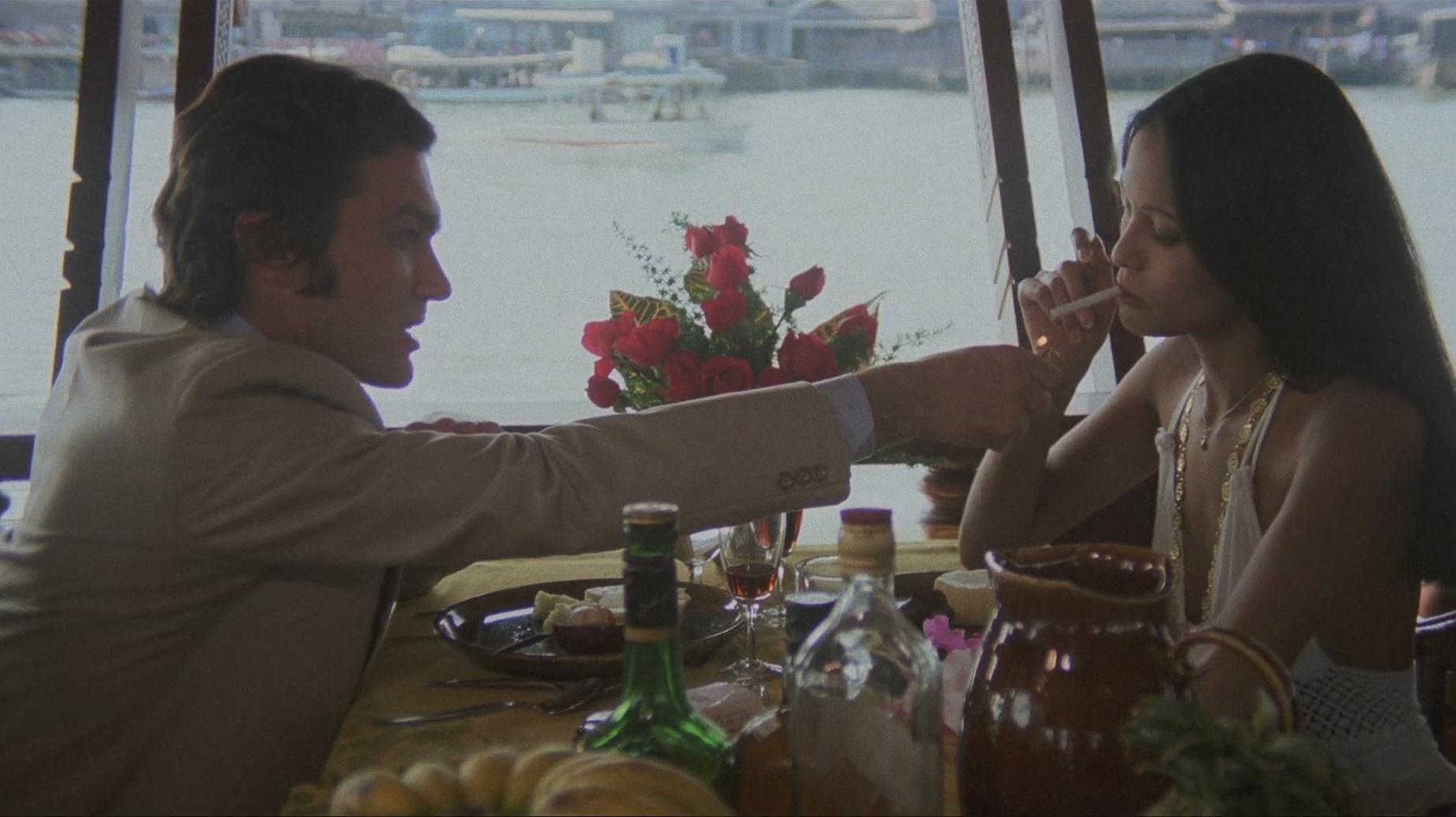
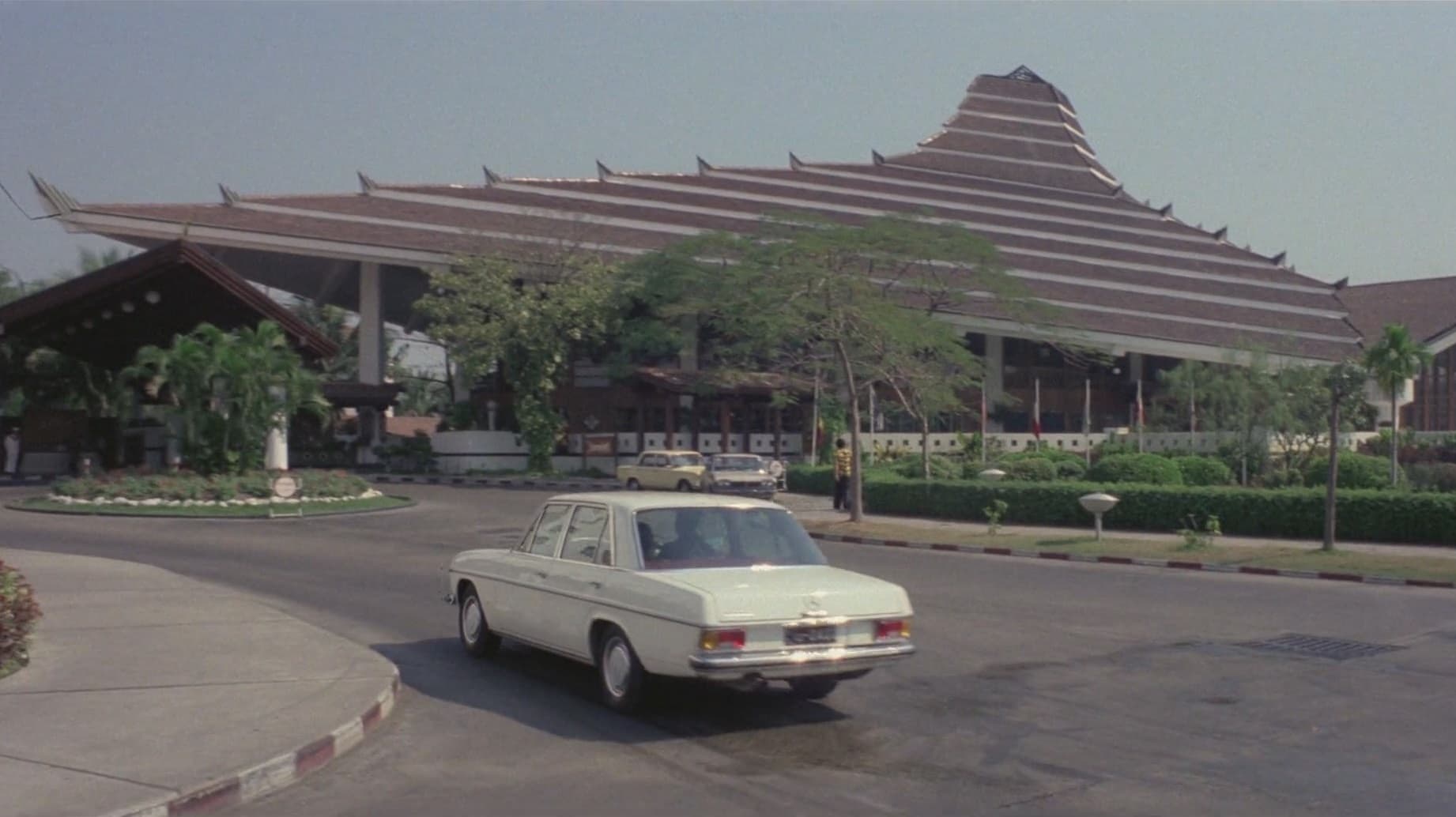
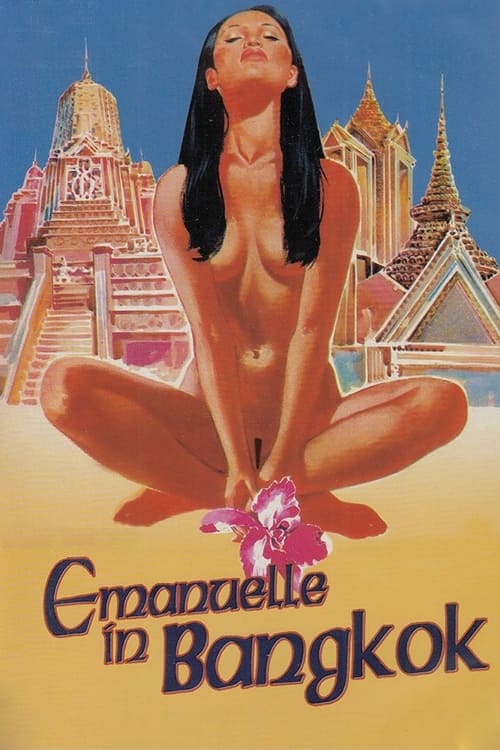
Joe D’Amato’s first film in the Emanuelle series is a return to form. Despite the changing of hands, the globetrotting photographer’s travels are just as fun to watch even if the sex is less sensual than the first time around. The beautiful shots in the opening that take place in a photography darkroom seem to suggest that the cinematography will lean more in that direction, but sadly most of it falls flat in comparison those initial moments save for a few dazzling shots of the city as characters walk through them. The story feels a bit “samey” with that of the first film, but at least a new setting offers some fresh sights to see. The focus on the locale being visited is a much welcome pace when compared to the psycho-drama of Black Emanuelle 2.
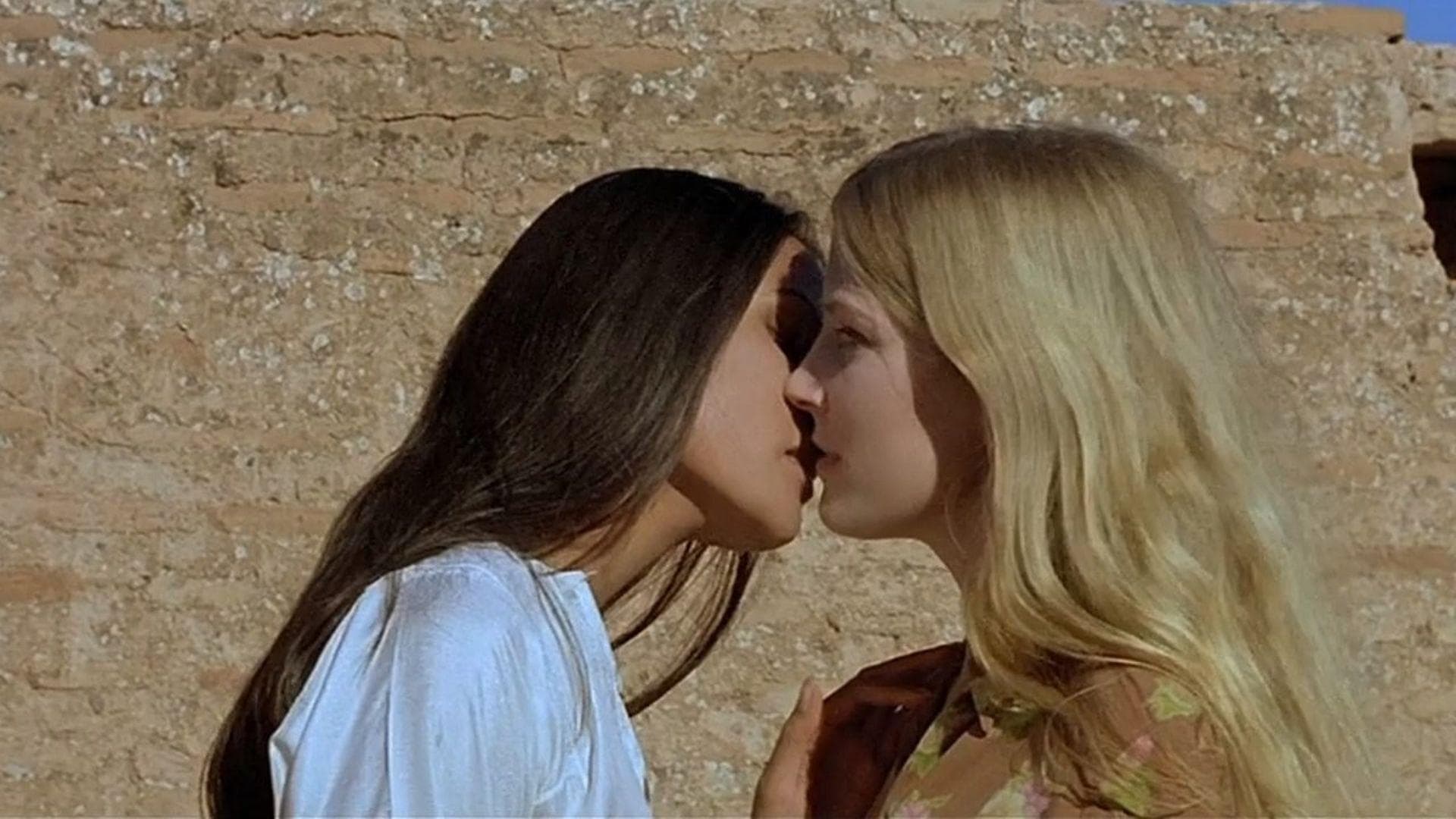
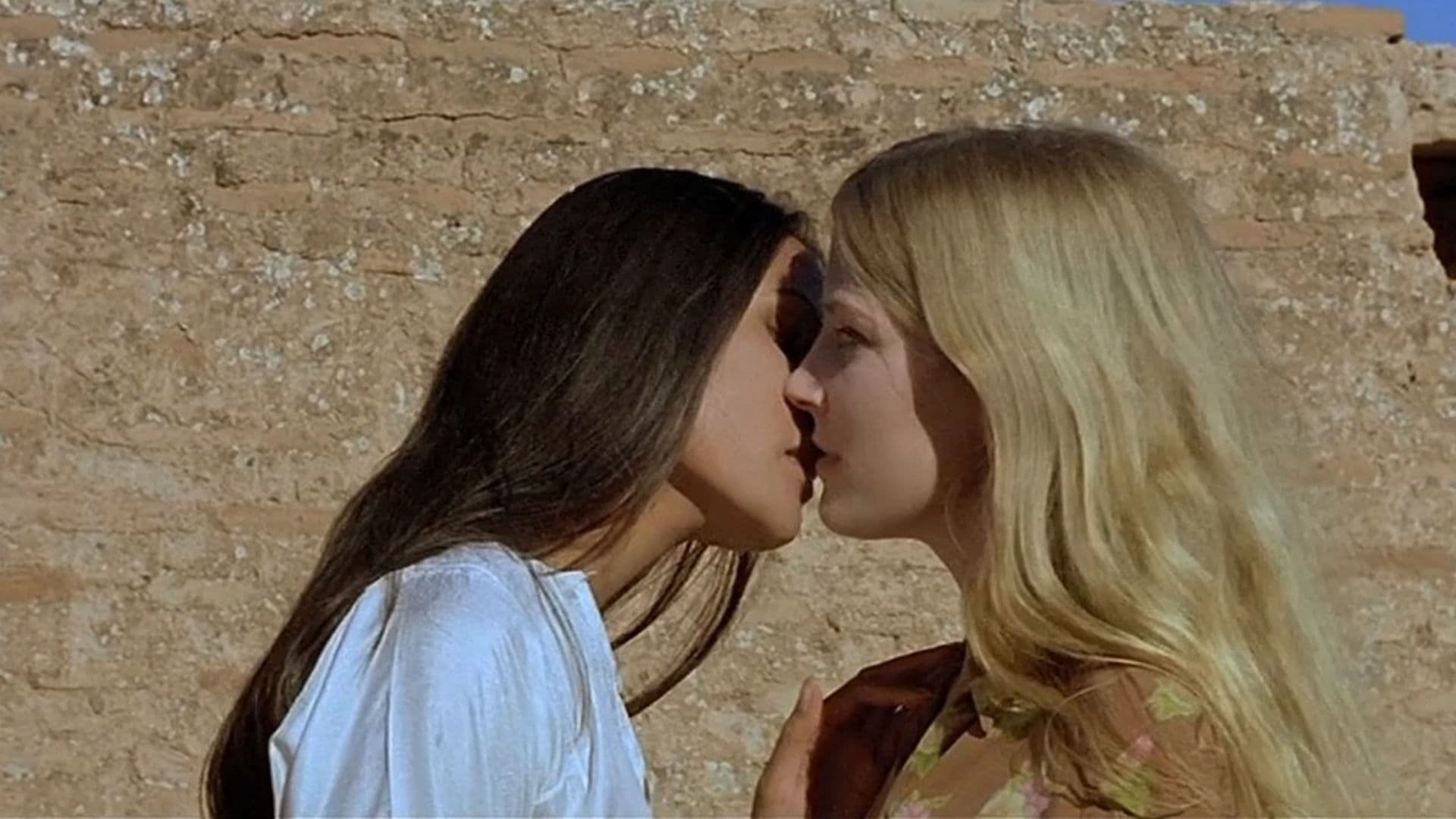
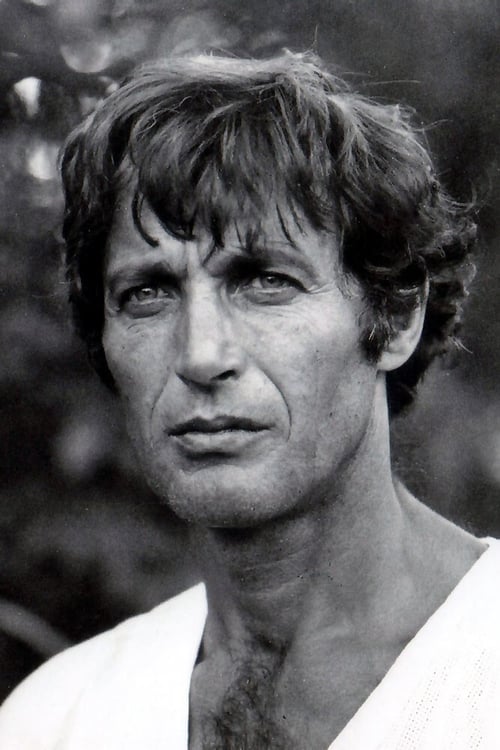
The Black Emanuelle series, despite the return to travel being the framing device for the eroticism, has less to say in regards to racial identity compared to the first film, even engaging in some weird casting of a white man as an “oriental prince” despite the presence of Asian men being partaking in the beauty of Emanuelle early on in her trip to Bankok. That being said, the continued exploration of the feminist idea of sexual liberation is still explored here, with Emanuelle’s interactions with other men and women leading to a lot of the women standing their own ground and affirming their individuality, some with more amicable arrangements at the end than others. The queer themes of Emanuelle in Bangkok are more overt, even if still there for the benefit of a leering male audience, with Emanuelle’s sexuality being the catalyst for several women deciding to go their own way.
Imagine fumbling a baddie like Emanuelle just for being homophobic
Joe D’Amato’s first film in the Emanuelle series is a return to form. Despite the changing of hands, the globetrotting photographer’s travels are just as fun to watch even if the sex is less sensual than the first time around. The beautiful shots in the opening that take place in a photography darkroom seem to suggest that the cinematography will lean more in that direction, but sadly most of it falls flat in comparison those initial moments save for a few dazzling shots of the city as characters walk through them. The story feels a bit “samey” with that of the first film, but at least a new setting offers some fresh sights to see. The focus on the locale being visited is a much welcome pace when compared to the psycho-drama of Black Emanuelle 2.
The Black Emanuelle series, despite the return to travel being the framing device for the eroticism, has less to say in regards to racial identity compared to the first film, even engaging in some weird casting of a white man as an “oriental prince” despite the presence of Asian men being partaking in the beauty of Emanuelle early on in her trip to Bankok. That being said, the continued exploration of the feminist idea of sexual liberation is still explored here, with Emanuelle’s interactions with other men and women leading to a lot of the women standing their own ground and affirming their individuality, some with more amicable arrangements at the end than others. The queer themes of Emanuelle in Bangkok are more overt, even if still there for the benefit of a leering male audience, with Emanuelle’s sexuality being the catalyst for several women deciding to go their own way.