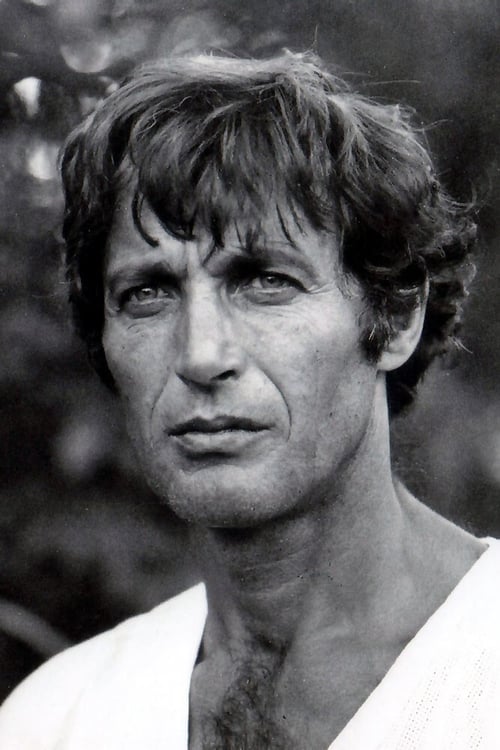
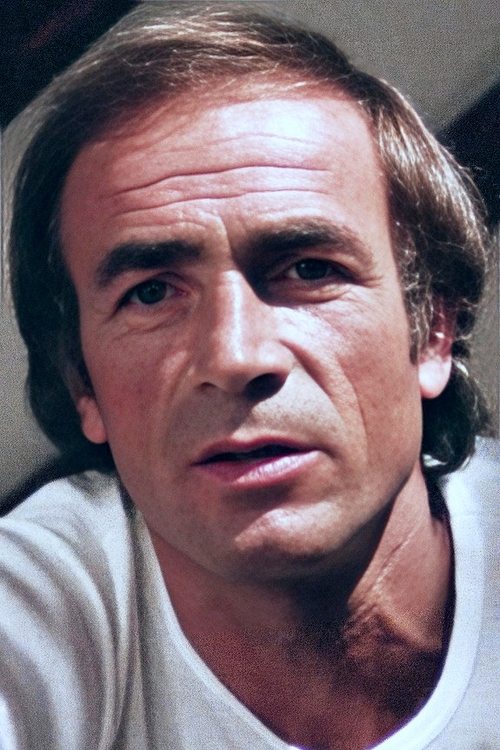
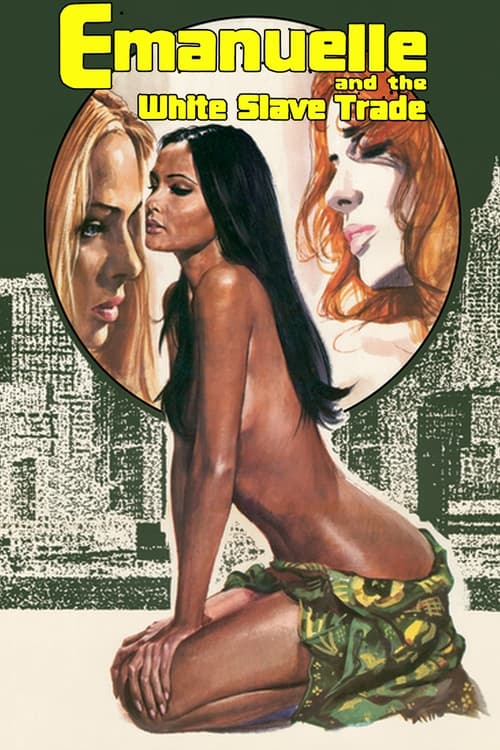
Joe D’Amato finally did it. I came to dread seeing his name as director on one of these Emanuelle films because of his fascination with the macabre seeping into the erotic, which would often create a very jarring and unpleasant experience. In Emanuelle And The White Slave Trade he pares that back considerably. No mutilation, no blood, no gore juxtaposed with the nude form. While still very much an excuse to travel under the guise of making a film, Emanuelle And The White Slave Trade gives a drip feed of story that doesn’t feel disjointed. Granted, the first fifteen minutes would be largely unrelated if it were not for the presence of Gabriele Tinti’s character in the tertiary of the scenes that take place in Nairobi. After returning to the states, the film takes on a setup similar to the first third of Emanuell In America, but with significantly more focus and a much tighter script. It doesn’t feel as whip-jerky. Everything is in service of Emanuelle breaking a prostitution ring.
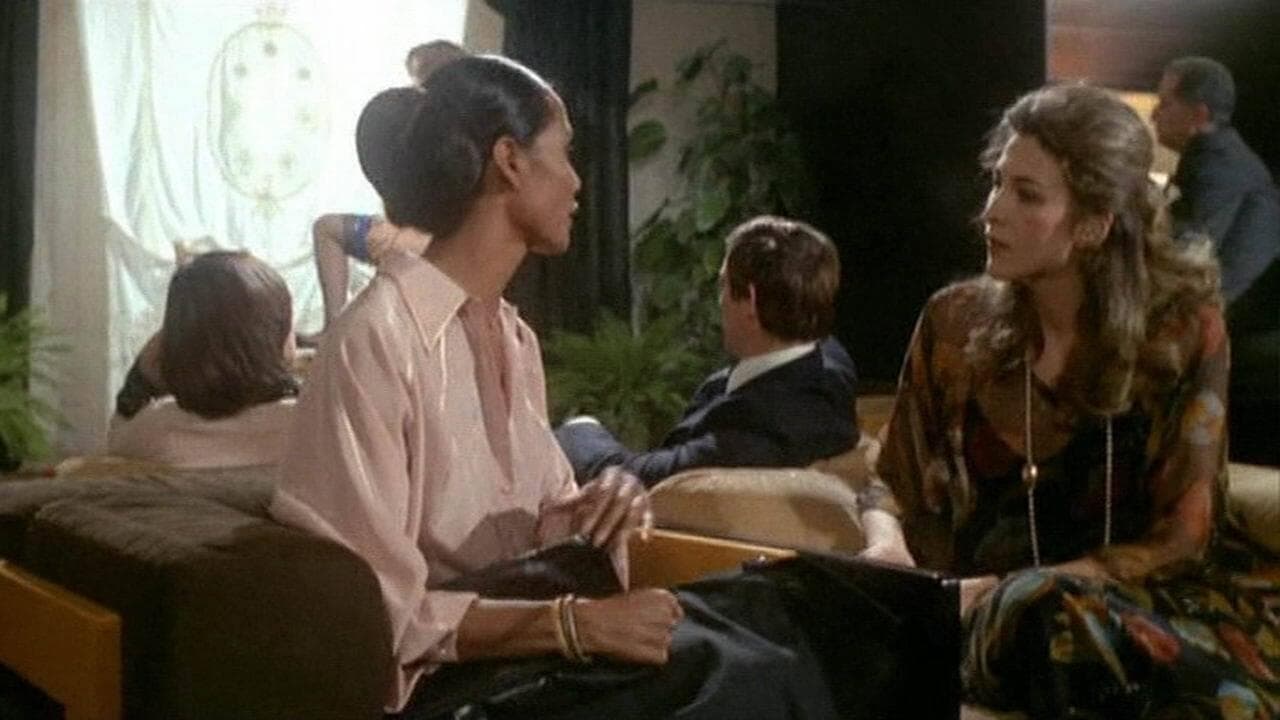
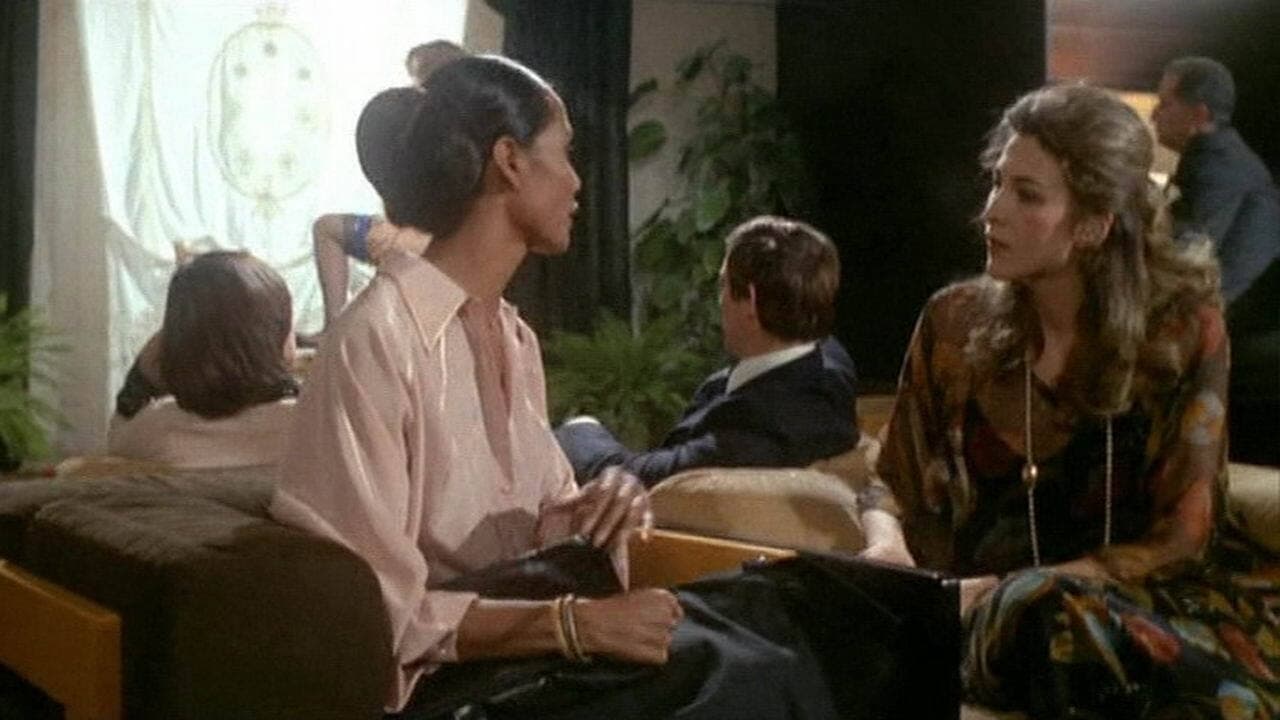
What I found most interesting in this film, however, aside from D’Amato’s style evolving to include reflections and overlays to signify voyeurism, is the presence of queerness. Granted, there was always a level of queerness to the Emanuelle films, however said queerness was always lesbian in service of the male gaze. While undercover in the prostitution ring, Emanuelle meets a crossdresser named Stephen who is the right hand of the mistress of the brothel estate. He is controlling and cunning and while he and his assumed queerness is initially aligned with badness, it is interesting to note that he is one of the few characters in the film in which Emanuelle seems to enjoy having sex with, which sort of foreshadows his change in loyalty. Stephen isn’t the only one to play around with gender presentation in this way. Other people who work on the estate take on gender-bending presentation as well, from other male crossdressers to women who take on a very classy butch look that seems like a halfway point between how illustrator and painter Patrick Nagel portrays men and women, While fate isn’t kind to Stephen, by that point he is portrayed rather sympathetically.
Joe D’Amato finally did it. I came to dread seeing his name as director on one of these Emanuelle films because of his fascination with the macabre seeping into the erotic, which would often create a very jarring and unpleasant experience. In Emanuelle And The White Slave Trade he pares that back considerably. No mutilation, no blood, no gore juxtaposed with the nude form. While still very much an excuse to travel under the guise of making a film, Emanuelle And The White Slave Trade gives a drip feed of story that doesn’t feel disjointed. Granted, the first fifteen minutes would be largely unrelated if it were not for the presence of Gabriele Tinti’s character in the tertiary of the scenes that take place in Nairobi. After returning to the states, the film takes on a setup similar to the first third of Emanuell In America, but with significantly more focus and a much tighter script. It doesn’t feel as whip-jerky. Everything is in service of Emanuelle breaking a prostitution ring.
What I found most interesting in this film, however, aside from D’Amato’s style evolving to include reflections and overlays to signify voyeurism, is the presence of queerness. Granted, there was always a level of queerness to the Emanuelle films, however said queerness was always lesbian in service of the male gaze. While undercover in the prostitution ring, Emanuelle meets a crossdresser named Stephen who is the right hand of the mistress of the brothel estate. He is controlling and cunning and while he and his assumed queerness is initially aligned with badness, it is interesting to note that he is one of the few characters in the film in which Emanuelle seems to enjoy having sex with, which sort of foreshadows his change in loyalty. Stephen isn’t the only one to play around with gender presentation in this way. Other people who work on the estate take on gender-bending presentation as well, from other male crossdressers to women who take on a very classy butch look that seems like a halfway point between how illustrator and painter Patrick Nagel portrays men and women, While fate isn’t kind to Stephen, by that point he is portrayed rather sympathetically.