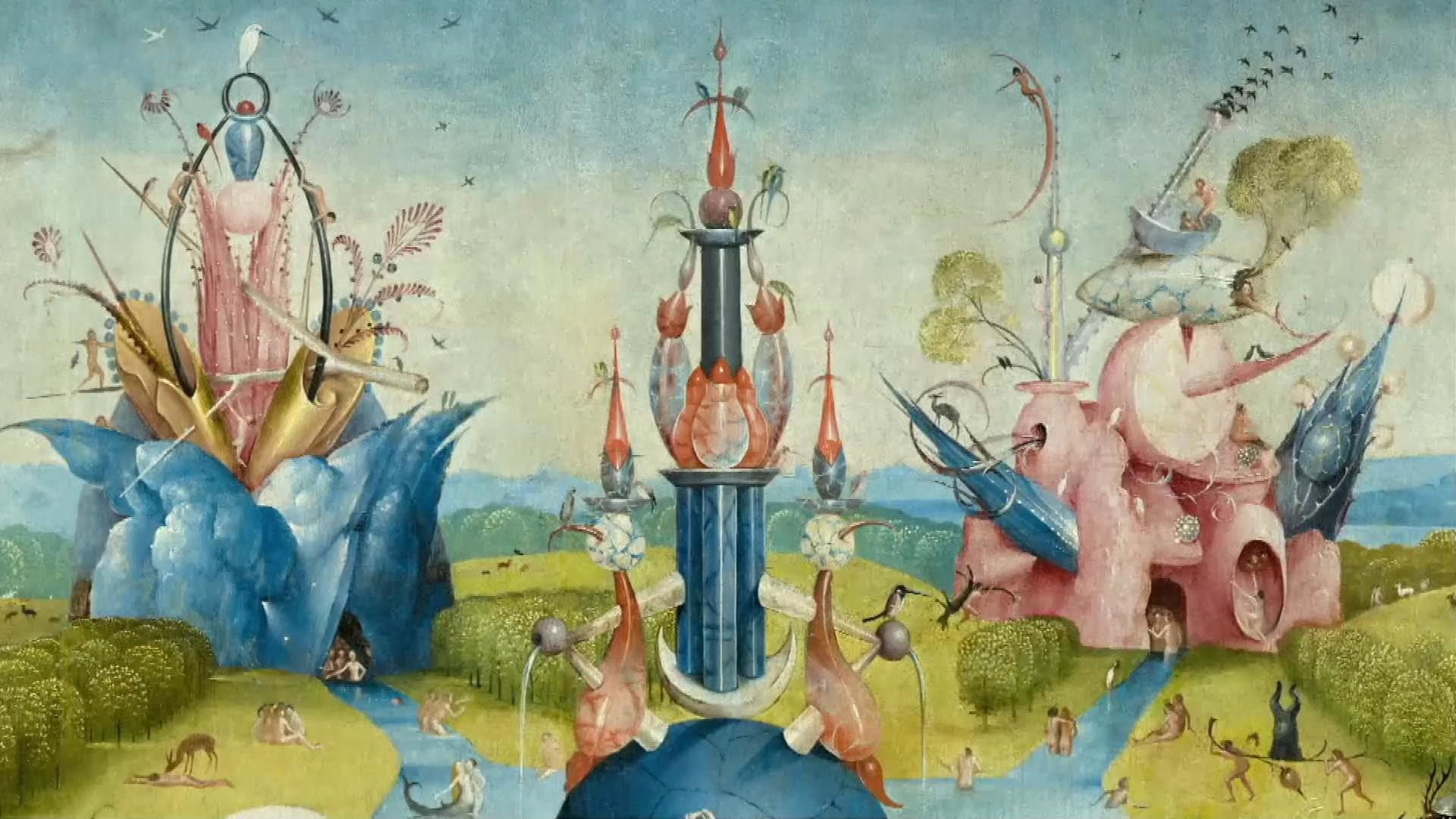
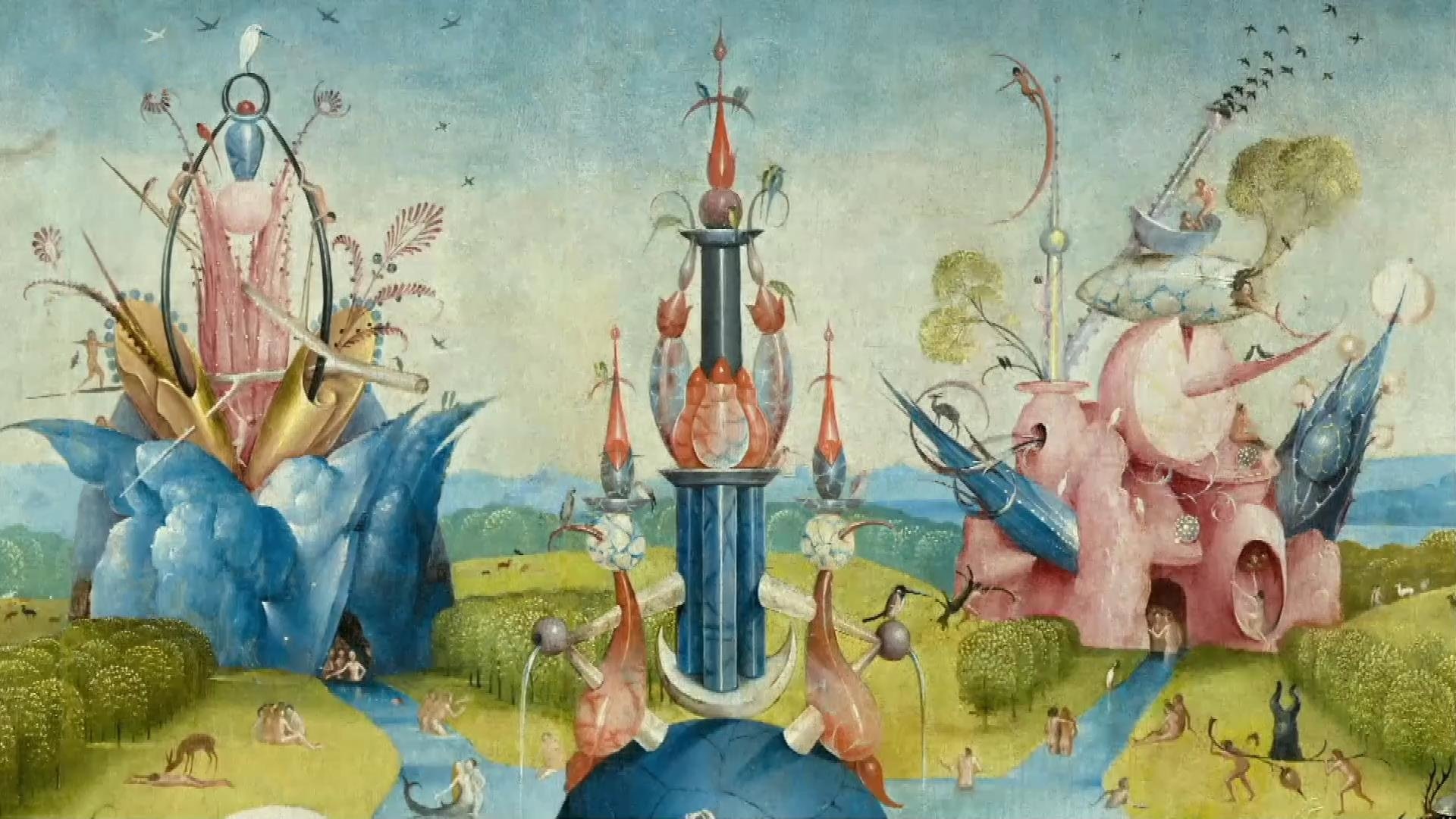
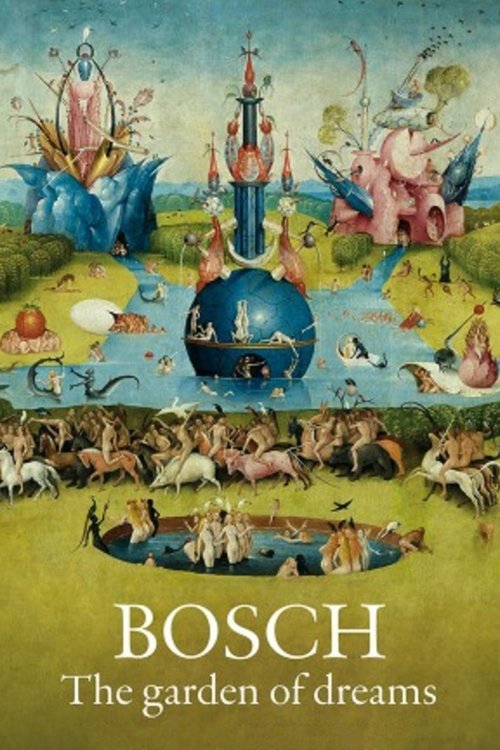
Bosch is one of my favorite artists purely because of his famous triptych, The Garden of Earthly Delights. His work was first introduced to me through a professor at my school who used parts of the painting as reference for us to use for a 3D modeling course using Maya. The odd creatures and machinery in the painting did prove to be incredibly useful in teaching us the skills needed to make models, even with limited reference and resources and the painting itself has several creatures to pull from to provide a wide array of examples that can slowly ramp up the difficulty of such a course.
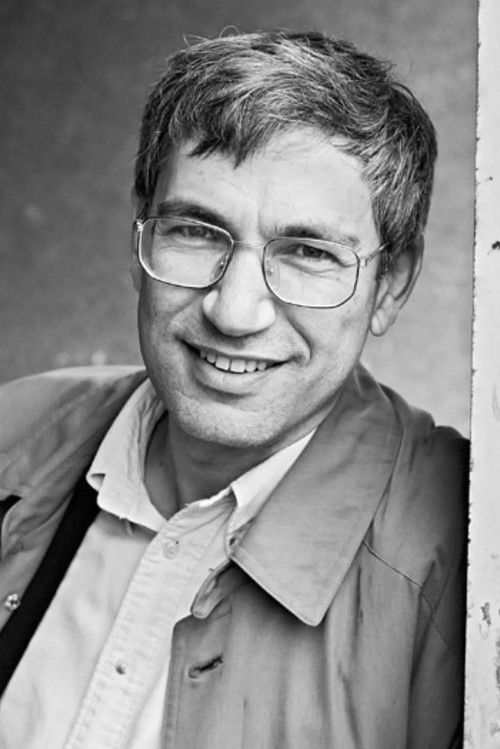
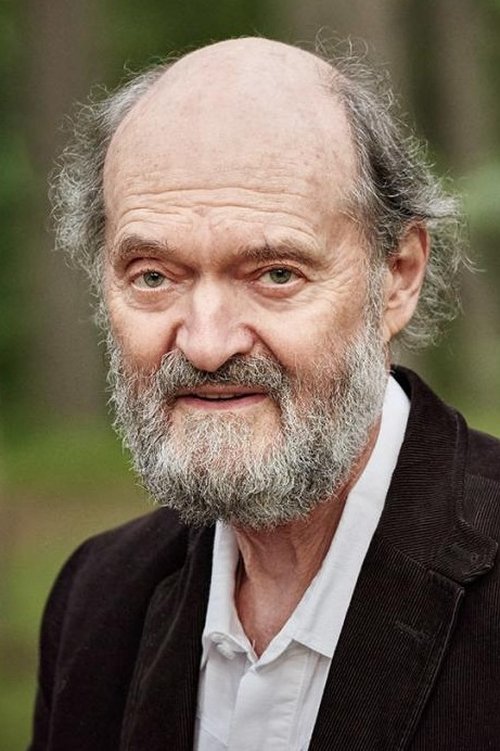
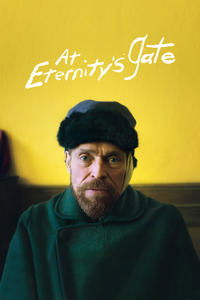
A mystery unto himself, we have mostly just his works to go off of as to who he was, what he thought, and how he operated. Bosch: The Garden of Dreams gives much needed context to the triptych, getting insights from historians, religious experts, and even musicians to get a look into the mind of Bosch through the painting itself. The film makes the great decision to allow the painting to be on screen as much as possible, allowing for the input from experts to flow over the already incredibly provocative imagery. While all they (and we) can do is speculate, it is clear that Bosch's work has captured the imaginations of centuries upon centuries of people.
A year after graduating college, I found myself in Berlin as a special guest for an international design ceremony which my student film was submitted to on my behalf by my alma mater. Not too far from my hotel (paid for in full by the college) was one of those "living art" exhibits that took The Garden of Earthly Delights, animated segments of it, and the projected it upon the walls. I remember seeing this kind of thing being done for Van Gogh before, but for Bosch it felt a whole lot more natural, even if the transformative nature of this exhibit was still unsettling in a "is this truly how we must interact with the art of our past" sort of way. Watching this documentary was a marked improvement upon that experience, which was full of people taking selfies and moving through the space, not staying still long enough to take in what they were seeing. There were placards up to give context - much like the interviews in this film - but no one stopped to read them. No one took the time.
Bosch is one of my favorite artists purely because of his famous triptych, The Garden of Earthly Delights. His work was first introduced to me through a professor at my school who used parts of the painting as reference for us to use for a 3D modeling course using Maya. The odd creatures and machinery in the painting did prove to be incredibly useful in teaching us the skills needed to make models, even with limited reference and resources and the painting itself has several creatures to pull from to provide a wide array of examples that can slowly ramp up the difficulty of such a course.
A mystery unto himself, we have mostly just his works to go off of as to who he was, what he thought, and how he operated. Bosch: The Garden of Dreams gives much needed context to the triptych, getting insights from historians, religious experts, and even musicians to get a look into the mind of Bosch through the painting itself. The film makes the great decision to allow the painting to be on screen as much as possible, allowing for the input from experts to flow over the already incredibly provocative imagery. While all they (and we) can do is speculate, it is clear that Bosch's work has captured the imaginations of centuries upon centuries of people.
A year after graduating college, I found myself in Berlin as a special guest for an international design ceremony which my student film was submitted to on my behalf by my alma mater. Not too far from my hotel (paid for in full by the college) was one of those "living art" exhibits that took The Garden of Earthly Delights, animated segments of it, and the projected it upon the walls. I remember seeing this kind of thing being done for Van Gogh before, but for Bosch it felt a whole lot more natural, even if the transformative nature of this exhibit was still unsettling in a "is this truly how we must interact with the art of our past" sort of way. Watching this documentary was a marked improvement upon that experience, which was full of people taking selfies and moving through the space, not staying still long enough to take in what they were seeing. There were placards up to give context - much like the interviews in this film - but no one stopped to read them. No one took the time.