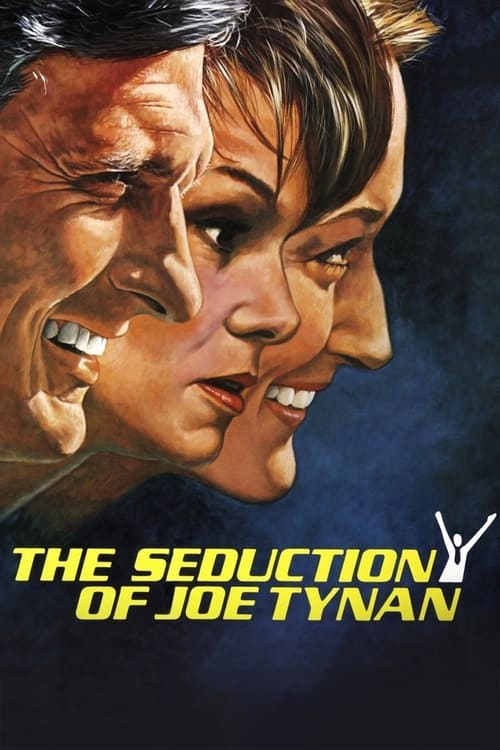
There’s something about The Seduction of Joe Tynan that feels like it’s constantly peeling back another layer of its protagonist’s skin, revealing not just a man compromised by ambition, but a man seduced by his own idea of goodness. I found myself drawn to the film’s quiet disillusionment—the way it builds its moral tension not through scandal, but through the erosion of authenticity. Watching Joe navigate his double life, both politically and emotionally, I felt the sting of how power corrodes intimacy long before it destroys reputation.
What struck me most was how the film uses seduction as both metaphor and method. Joe isn’t just seduced by a woman or a career; he’s seduced by validation, by the idea of being the “right kind” of liberal hero. It’s the tragedy of someone who believes he’s doing the right thing, even as he’s losing sight of what the right thing is. The film doesn’t punish him through melodrama—it just quietly lets him realize what he’s sacrificed, and by then, it’s too late. That stillness carries a Scorpio-like intensity: passion turned inward, self-sabotage disguised as self-righteousness.
The political backdrop, too, feels secondary to the inner storm. Politics here isn’t about ideology—it’s theater, performance, the manipulation of empathy for gain. Every speech and handshake carries the weight of someone watching themselves from a distance. I couldn’t help but sense how much the film understands that duality—the private moral compass spinning wildly behind a public mask. It’s a film that knows seduction rarely looks like temptation; it looks like opportunity.
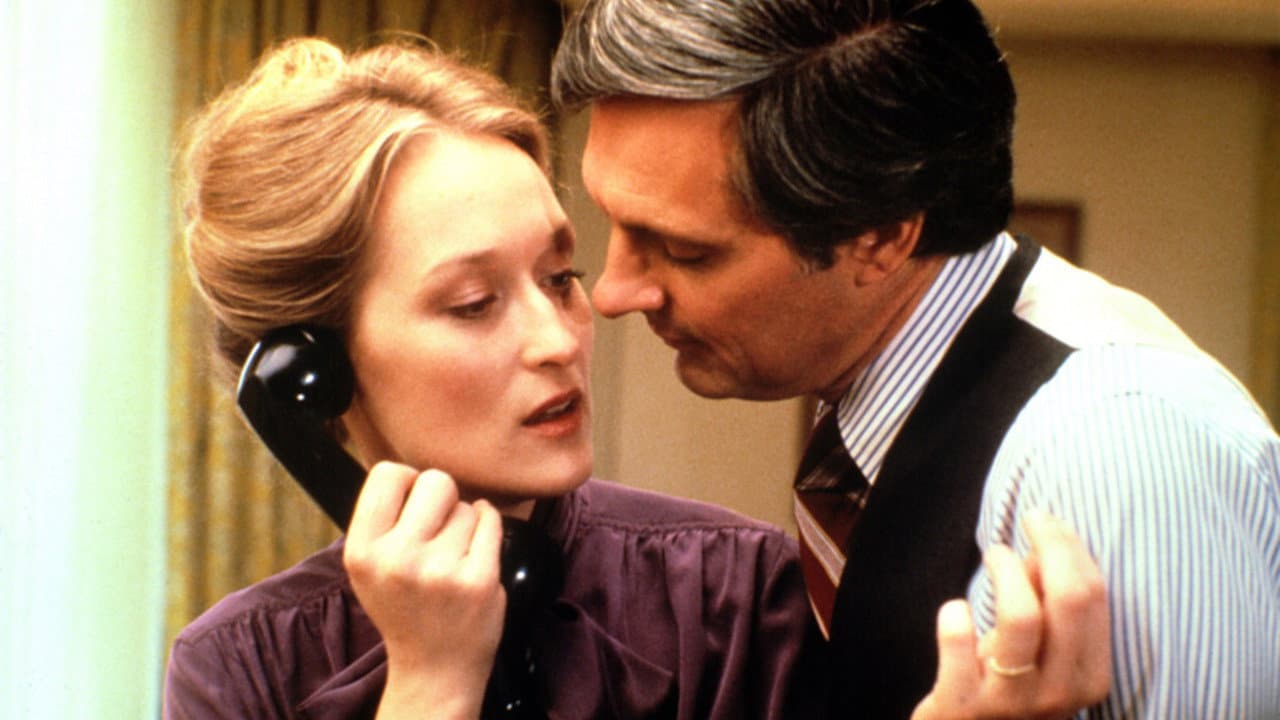
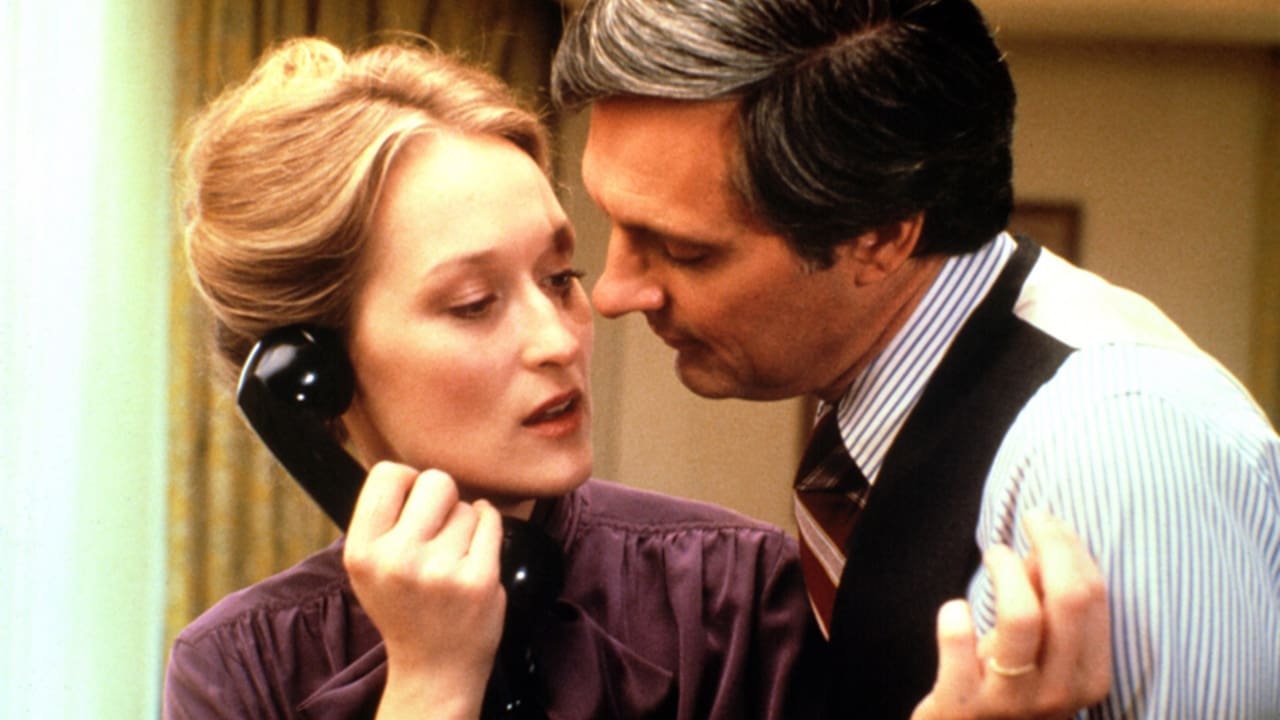
Even visually, the film captures that tension through restraint. There’s nothing flashy about it; it’s all in the faces, in the pauses, in the silences that hang after a moral line is crossed. The camera lingers on moments that feel small but are actually seismic—a missed call, a half-truth, a look across a table. That’s where the heartbreak lives, and it’s where the film feels most alive. Its aesthetic modesty allows the emotional undercurrents to hit harder.
What makes the movie resonate is its refusal to absolve. It doesn’t condemn Joe, but it doesn’t forgive him either. It leaves him—and us—in the ambiguity of self-awareness, that uncomfortable space where passion meets guilt. I came away feeling like I’d witnessed not the downfall of a man, but the quiet death of his idealism. For a film from 1979, it feels startlingly modern in its moral ambiguity, and hauntingly personal in its understanding that every seduction begins with self-deception.
There’s something about The Seduction of Joe Tynan that feels like it’s constantly peeling back another layer of its protagonist’s skin, revealing not just a man compromised by ambition, but a man seduced by his own idea of goodness. I found myself drawn to the film’s quiet disillusionment—the way it builds its moral tension not through scandal, but through the erosion of authenticity. Watching Joe navigate his double life, both politically and emotionally, I felt the sting of how power corrodes intimacy long before it destroys reputation.
What struck me most was how the film uses seduction as both metaphor and method. Joe isn’t just seduced by a woman or a career; he’s seduced by validation, by the idea of being the “right kind” of liberal hero. It’s the tragedy of someone who believes he’s doing the right thing, even as he’s losing sight of what the right thing is. The film doesn’t punish him through melodrama—it just quietly lets him realize what he’s sacrificed, and by then, it’s too late. That stillness carries a Scorpio-like intensity: passion turned inward, self-sabotage disguised as self-righteousness.
The political backdrop, too, feels secondary to the inner storm. Politics here isn’t about ideology—it’s theater, performance, the manipulation of empathy for gain. Every speech and handshake carries the weight of someone watching themselves from a distance. I couldn’t help but sense how much the film understands that duality—the private moral compass spinning wildly behind a public mask. It’s a film that knows seduction rarely looks like temptation; it looks like opportunity.
Even visually, the film captures that tension through restraint. There’s nothing flashy about it; it’s all in the faces, in the pauses, in the silences that hang after a moral line is crossed. The camera lingers on moments that feel small but are actually seismic—a missed call, a half-truth, a look across a table. That’s where the heartbreak lives, and it’s where the film feels most alive. Its aesthetic modesty allows the emotional undercurrents to hit harder.
What makes the movie resonate is its refusal to absolve. It doesn’t condemn Joe, but it doesn’t forgive him either. It leaves him—and us—in the ambiguity of self-awareness, that uncomfortable space where passion meets guilt. I came away feeling like I’d witnessed not the downfall of a man, but the quiet death of his idealism. For a film from 1979, it feels startlingly modern in its moral ambiguity, and hauntingly personal in its understanding that every seduction begins with self-deception.