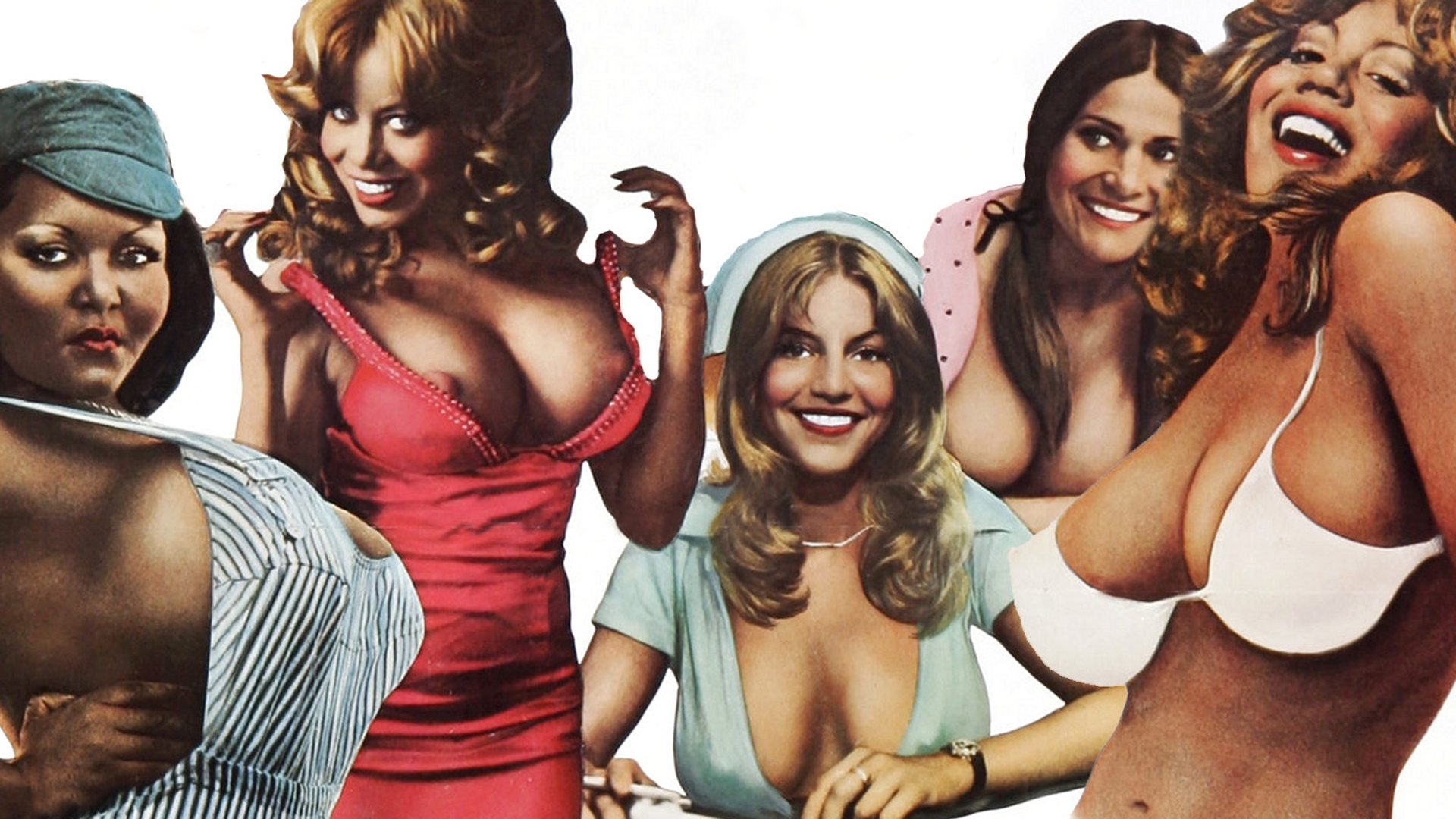
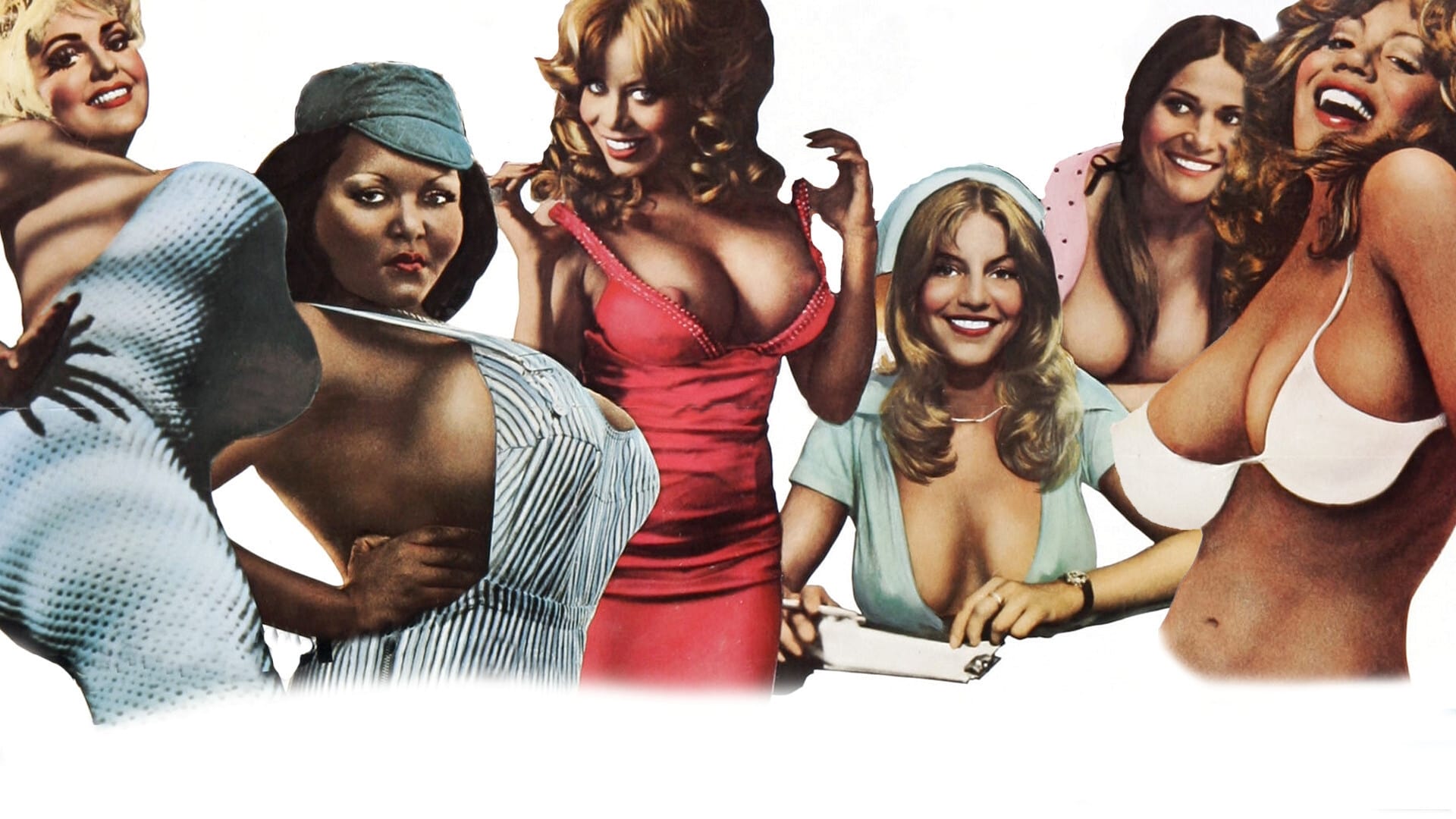
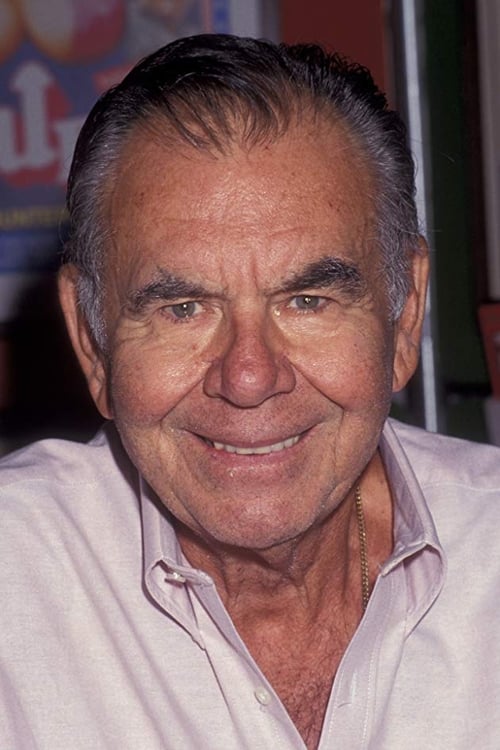
I still don’t fully grok with the idea that Russ Meyer films could be considered in any way “empowering” for women. Beyond that of a hankering for his ‘Russ Meyer girls’ to be in positions and situations of power over men, they are rarely(if ever) in ways beyond the sexual, and only ever really to serve some fetishistic and objectivizing worldview. One really does get the idea from meyer’s films, especially the earlier ones, that Meyer loves women, and at the same time I can only imagine Russ seeing women only as objects of desire. Ultimately I think that paradox is truly what makes his films interesting (besides, well, the obvious) but at the same time, controversial.
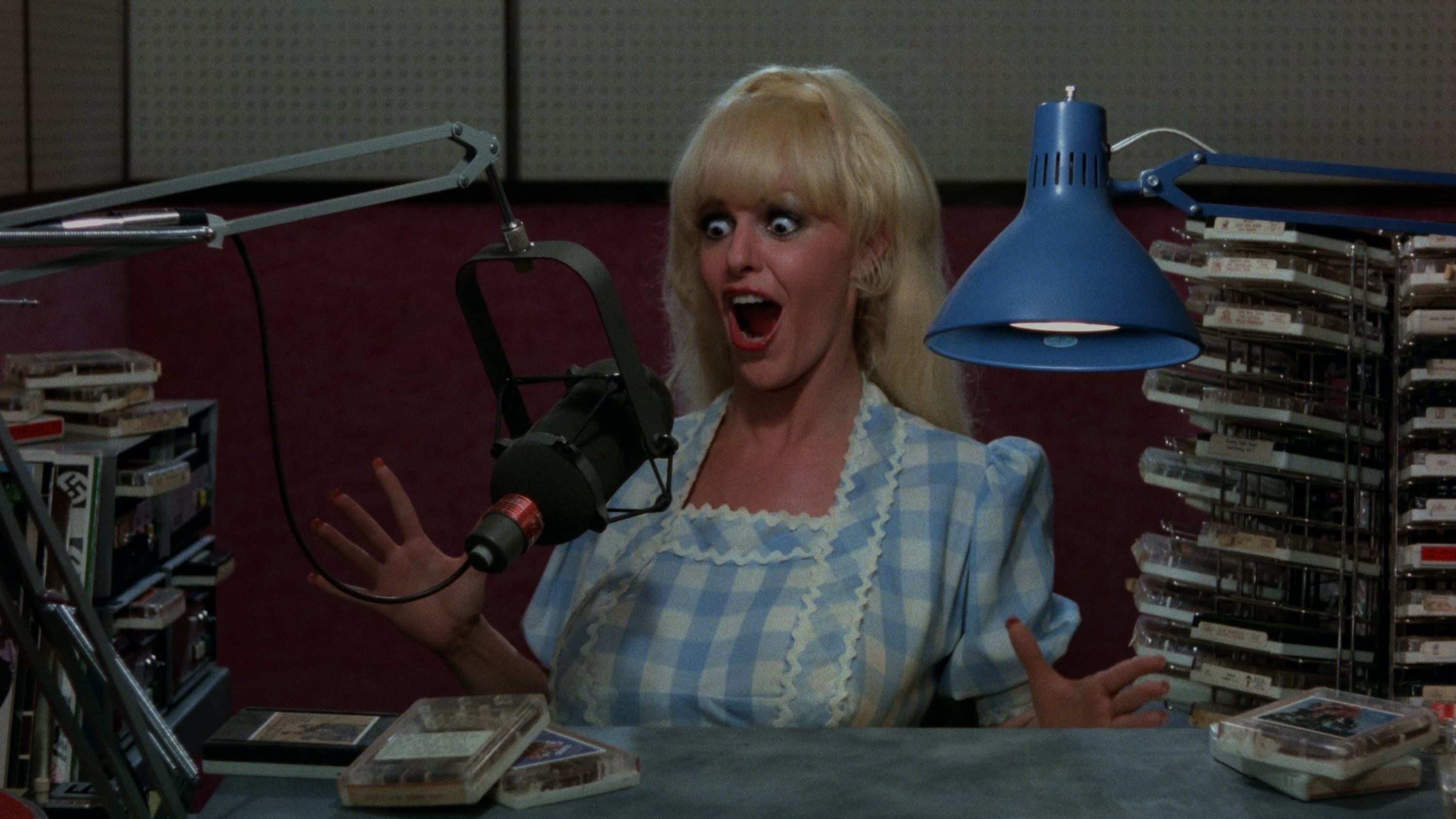
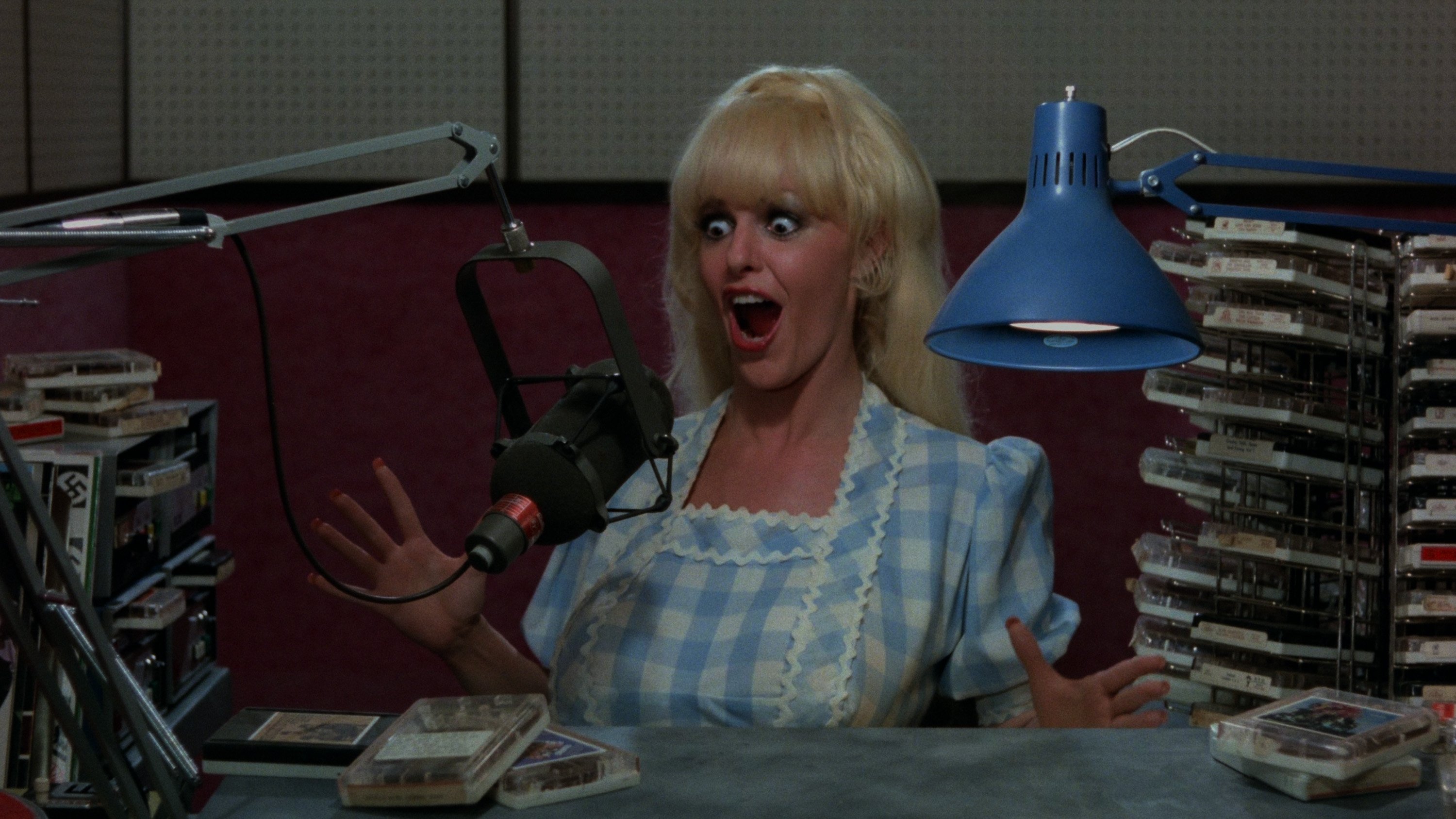
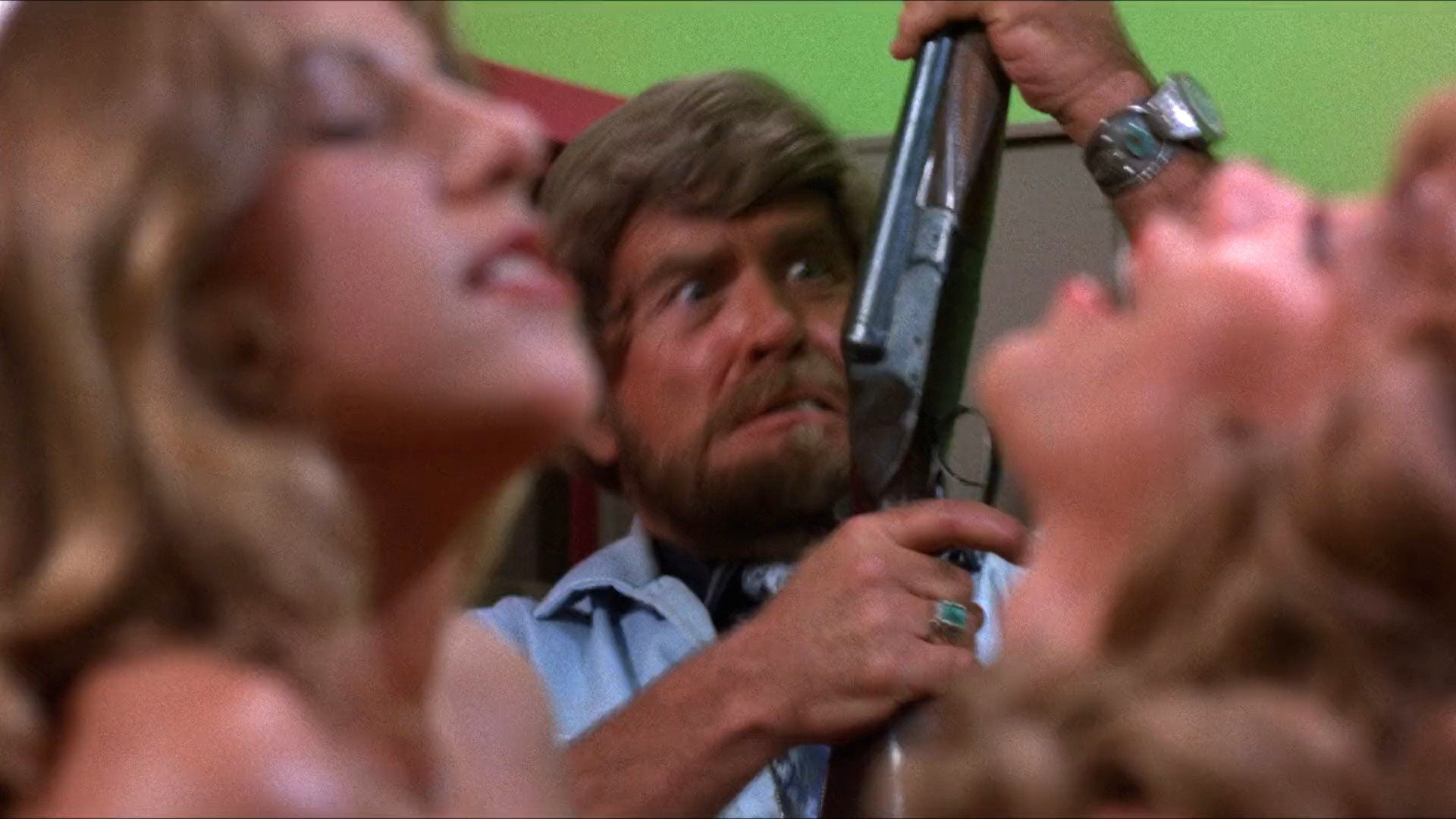
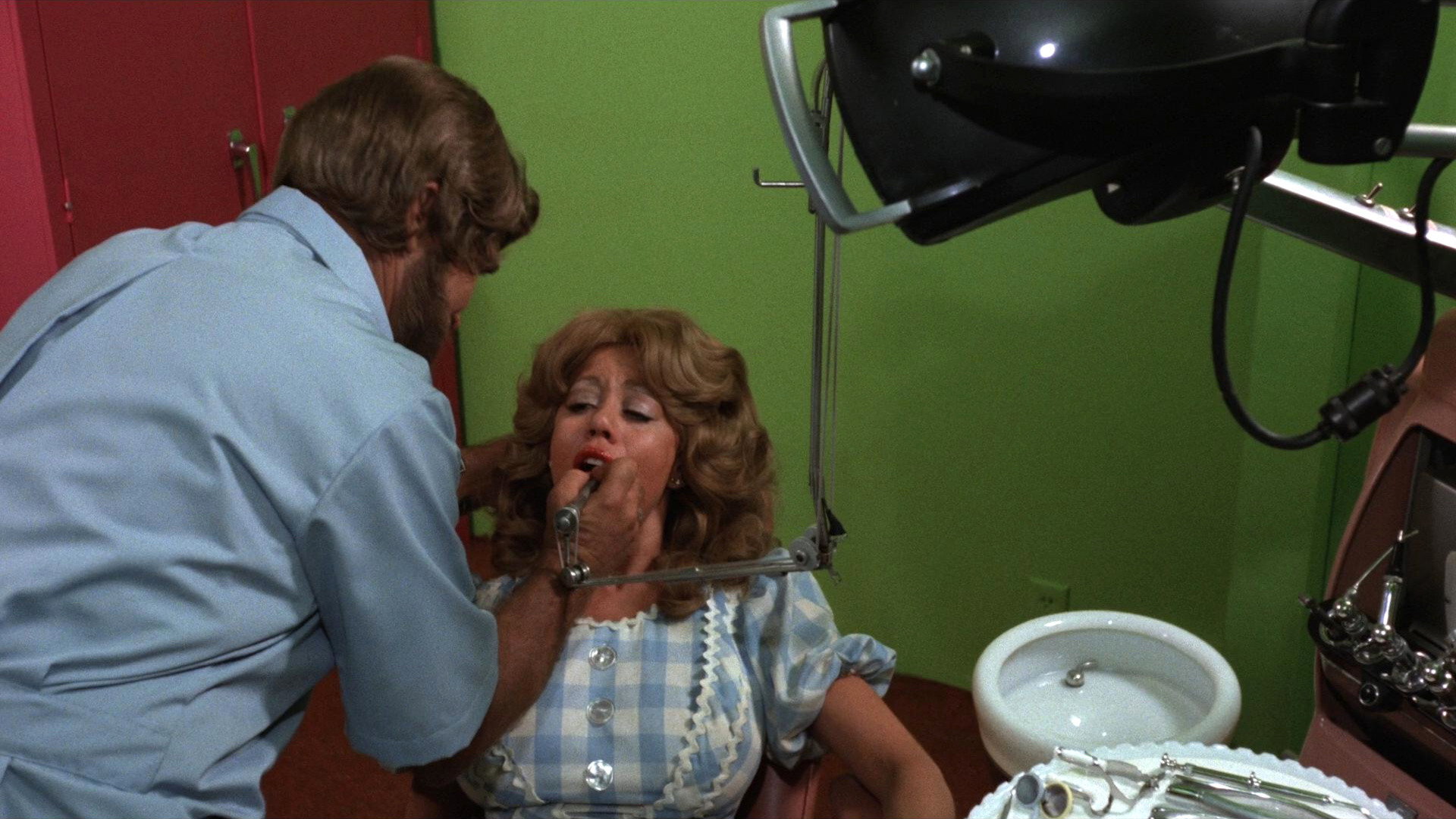
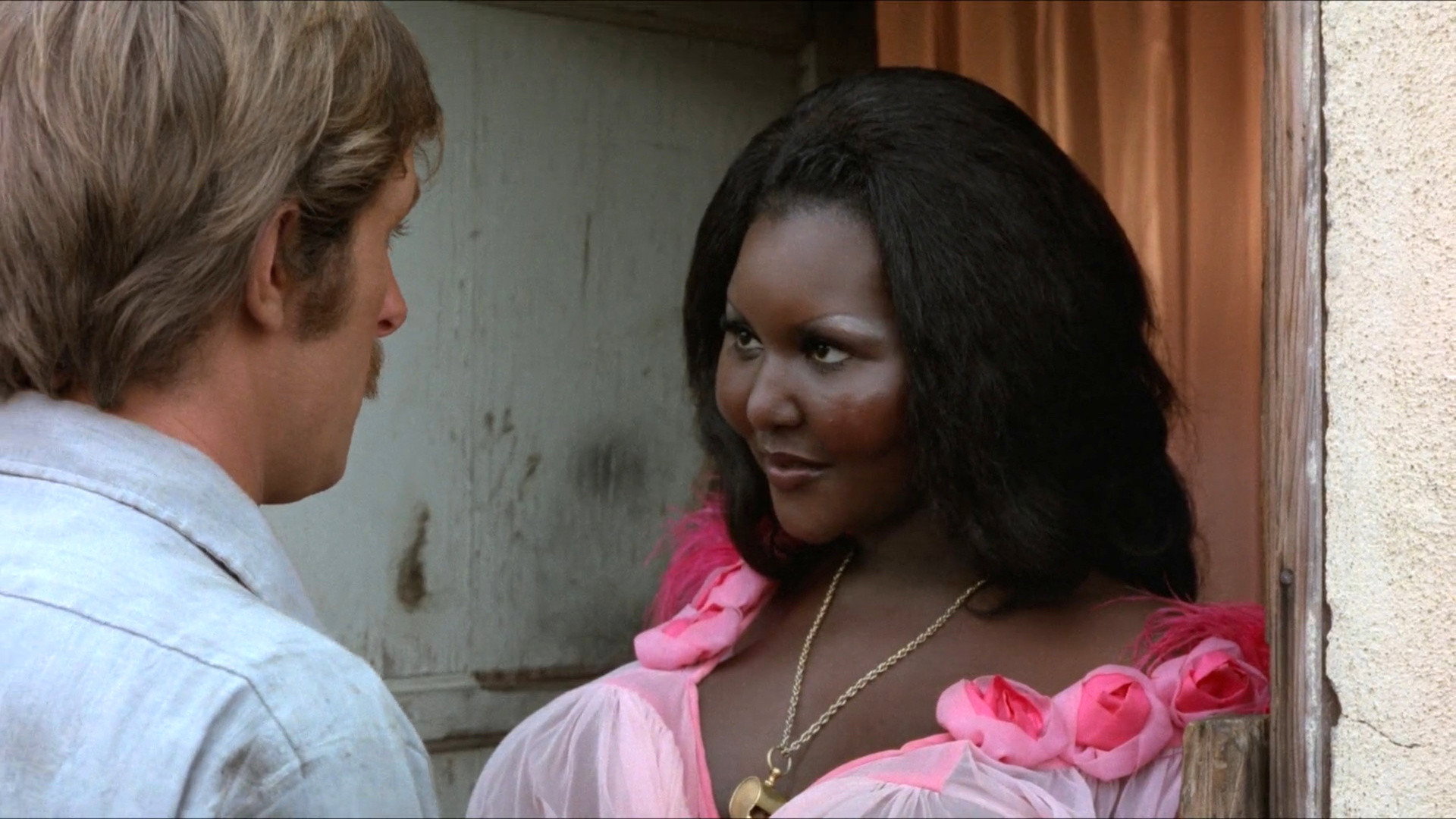
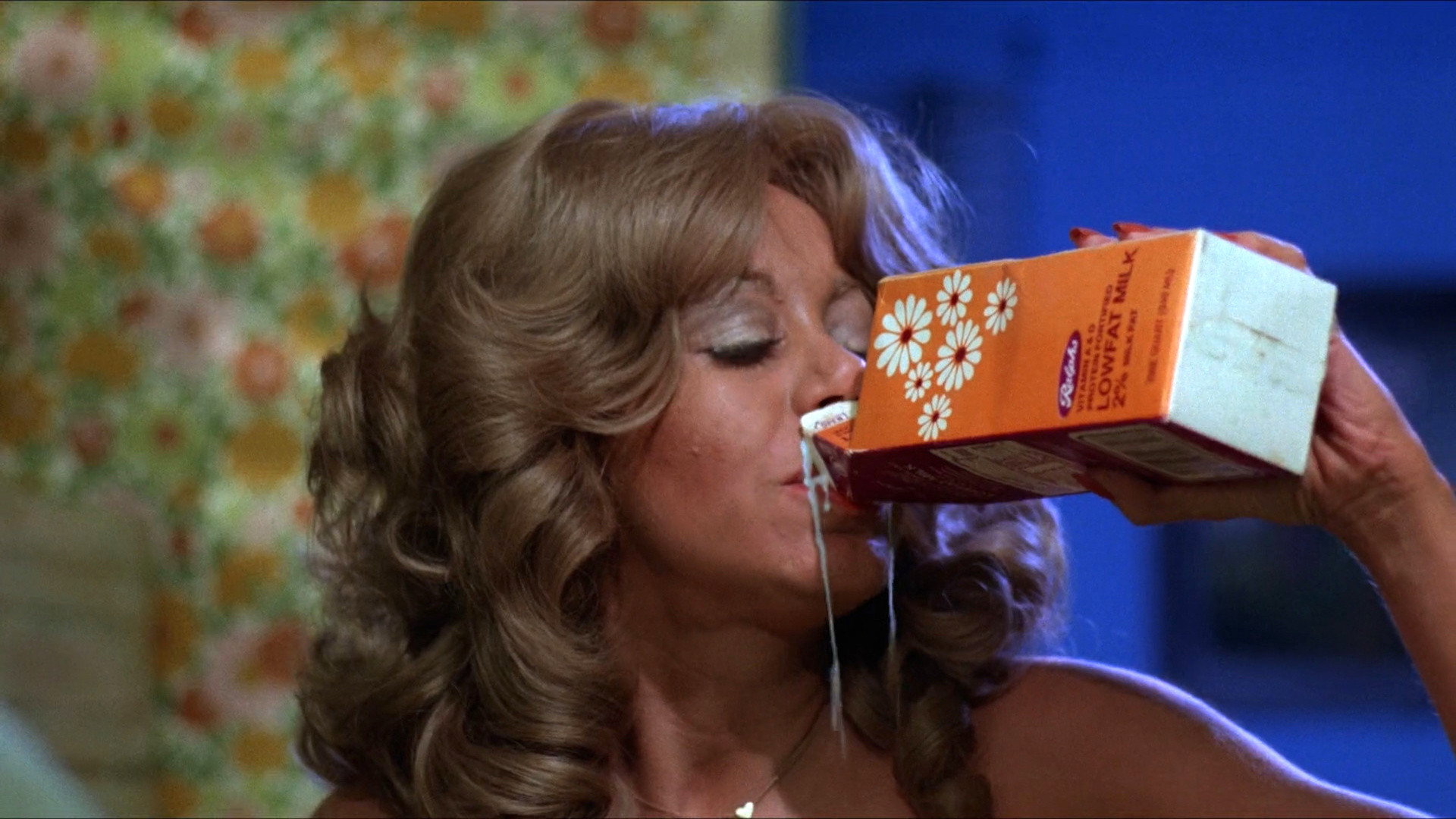
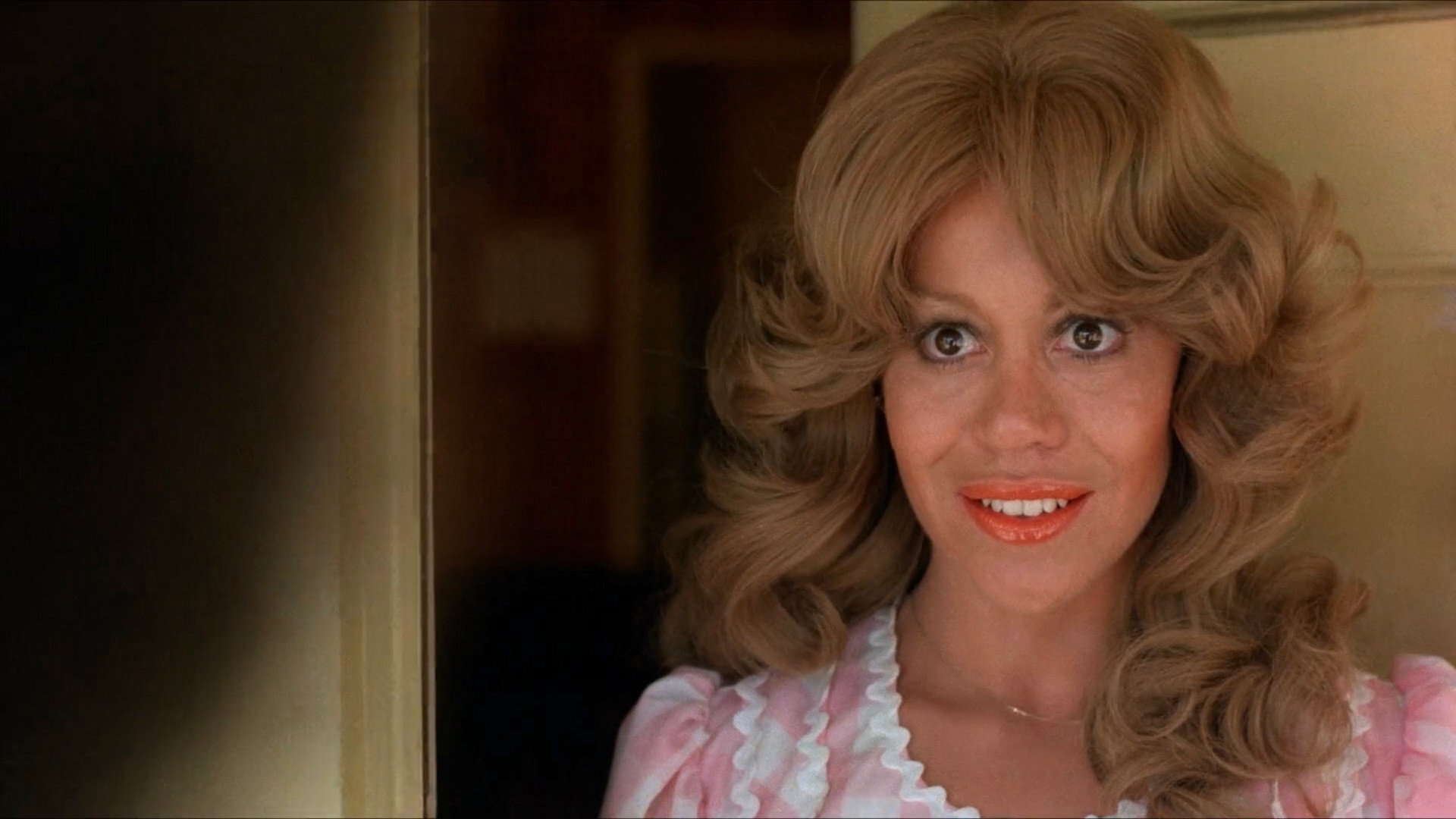
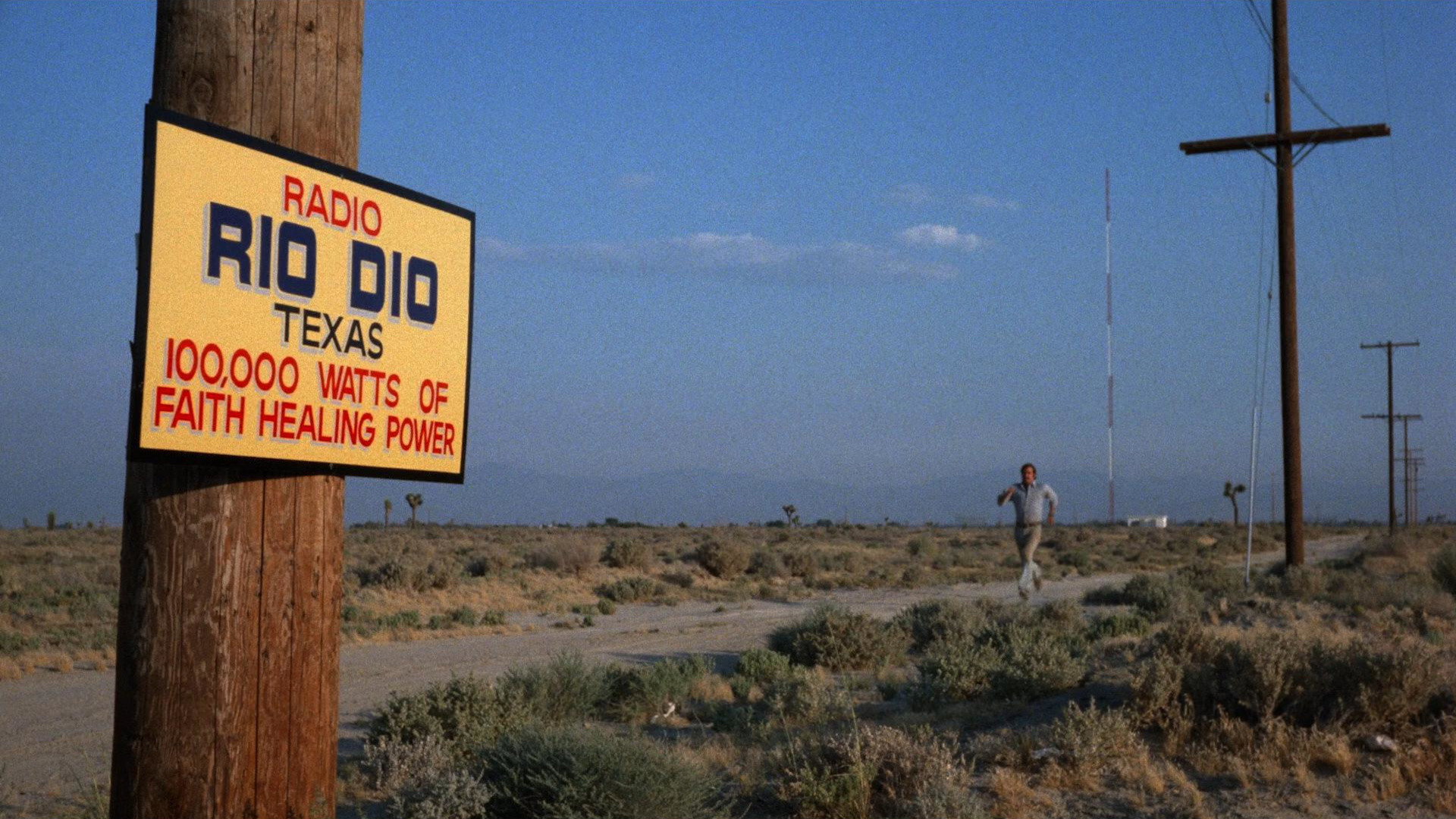
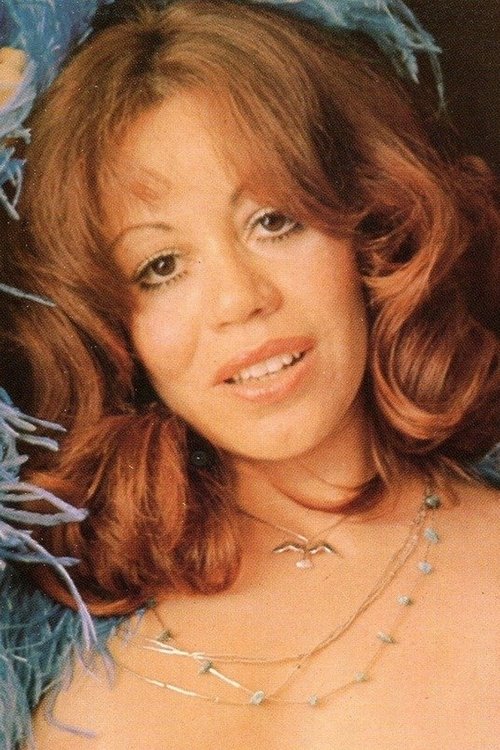
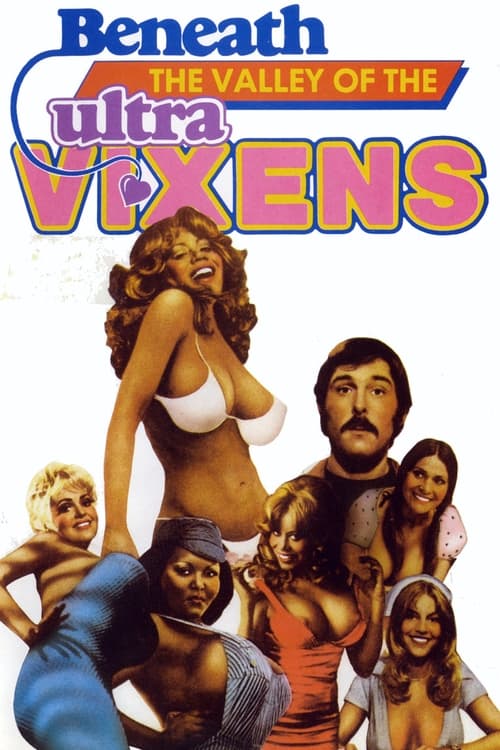
There’s a moment in one of the special features for Beyond the Valley of the Dolls where John Waters discussed the severe drop in quality he felt occurred in Russ’ subsequent cinematic efforts. He suggested that, after the reception of Dolls, the director became too ‘in on the joke’ and pushed the style and the sex and the humor way too far beyond its conceivable limits. After watching this film, I agree—There’s a lot of scenes of rape in this movie often played for laughs, and while portrayal doesn’t mean endorsement, Meyer seems to insinuate that so long as you’re extremely attractive somehow that makes it okay. I hate how much women’s homosexuality is fetishized, whereas men’s homosexuality is played in such a callous and overtly homophobic manner in this movie(both in the same way-too-drawn-out scene I may add). Had it not been for Ann Marie’s “faith healer” character or Meyer’s clever camera placements, the film would probably be nigh-on unwatchable for me—Marie’s performance especially felt very Elvira-esque with all the innuendo and double entendre, which I’ll admit did get a few hearty chuckles out of me.
I do think it’s somewhat telling how this was Russ’ last narrative feature and second to last film for nearly a quarter of a century. It does almost feel like a last hurrah in that context. Meyer even appears narrating as himself in place of proper credits for the last scene of the film, as if he was specifically planning to bookend his career with this feature with at least a certain level of poise. Of course, though, how much grace can you really have in a bosom-filled romp about a guy who’s obsessed with giving backshots?
I still don’t fully grok with the idea that Russ Meyer films could be considered in any way “empowering” for women. Beyond that of a hankering for his ‘Russ Meyer girls’ to be in positions and situations of power over men, they are rarely(if ever) in ways beyond the sexual, and only ever really to serve some fetishistic and objectivizing worldview. One really does get the idea from meyer’s films, especially the earlier ones, that Meyer loves women, and at the same time I can only imagine Russ seeing women only as objects of desire. Ultimately I think that paradox is truly what makes his films interesting (besides, well, the obvious) but at the same time, controversial.
There’s a moment in one of the special features for Beyond the Valley of the Dolls where John Waters discussed the severe drop in quality he felt occurred in Russ’ subsequent cinematic efforts. He suggested that, after the reception of Dolls, the director became too ‘in on the joke’ and pushed the style and the sex and the humor way too far beyond its conceivable limits. After watching this film, I agree—There’s a lot of scenes of rape in this movie often played for laughs, and while portrayal doesn’t mean endorsement, Meyer seems to insinuate that so long as you’re extremely attractive somehow that makes it okay. I hate how much women’s homosexuality is fetishized, whereas men’s homosexuality is played in such a callous and overtly homophobic manner in this movie(both in the same way-too-drawn-out scene I may add). Had it not been for Ann Marie’s “faith healer” character or Meyer’s clever camera placements, the film would probably be nigh-on unwatchable for me—Marie’s performance especially felt very Elvira-esque with all the innuendo and double entendre, which I’ll admit did get a few hearty chuckles out of me.
I do think it’s somewhat telling how this was Russ’ last narrative feature and second to last film for nearly a quarter of a century. It does almost feel like a last hurrah in that context. Meyer even appears narrating as himself in place of proper credits for the last scene of the film, as if he was specifically planning to bookend his career with this feature with at least a certain level of poise. Of course, though, how much grace can you really have in a bosom-filled romp about a guy who’s obsessed with giving backshots?