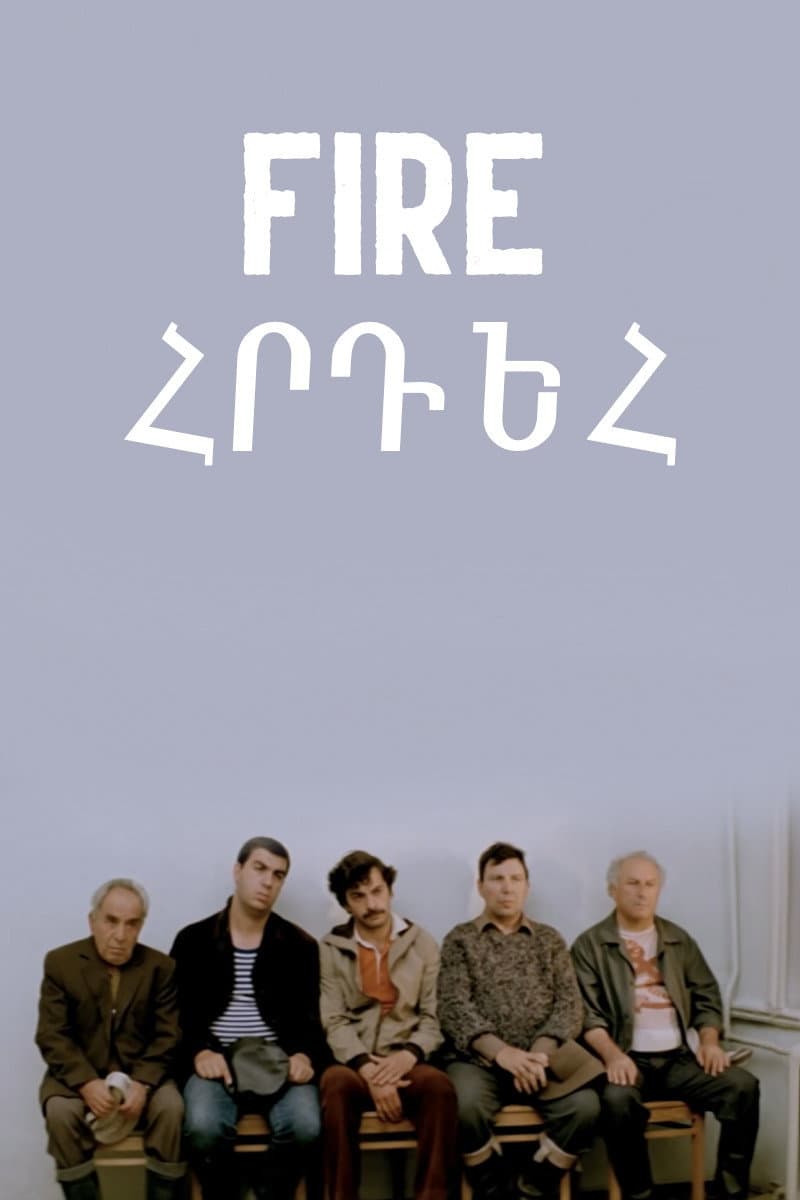
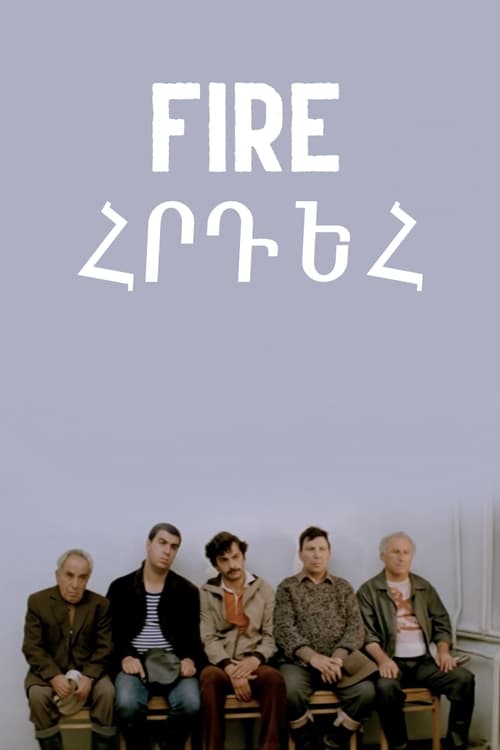
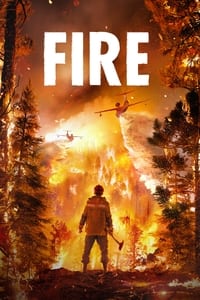
It's not just a story about a village fire, and it's not really a mystical thriller either. It's more of a subtle social commentary wrapped up in the smoke of cultural fears and silent pain.
From the first frames, the movie sets a mythological vibe that's pretty unsettling. The Kyrgyz village is quiet and closed off, not just in terms of space but also in how its people behave. When a fire breaks out in a young woman's house and kills her child, the village doesn't exactly welcome her with open arms. Instead, there are whispers, accusations and suspicions flying around.
The director's use of folklore is spot on: women on the backstreets, shadows at the hearth, fire as a metaphor for karma and purification. We believe in mysticism because the characters do too. But this mysticism starts to show what's often hidden behind the village's silence: cruelty, dogmatism, fear of the truth.
Eshimov is really careful when he shoots. The frame is often closed off by walls, door frames, bars and so on, making it seem like you can't go beyond tradition or silence. The spaces are pressurised, so you can't breathe, especially not the main character.
As the story progresses, the characters' irrational behaviour starts to make sense. Things are starting to get a bit dodgy in the village – there's a real vibe going on. And it gets scarier: not because mysticism disappears, but because it gives way to human guilt, cowardice and evil.
The movie, like the heroine, goes from fear of the "unclean" to horror of the "obvious." It's not just a genre transition, it's a moral shift too. We realise that everything that seemed like a curse is actually a crime. It seems like everything that seemed like a jinx is a fault. And no one wants to admit it.
The main character is a young woman who has lost her child. But her tragedy isn't the end for her, it's the start of something new. She shows how social pressure works and how hard it is to speak out when you're expected to keep quiet.
So, we've got neighbours, relatives and authorities here, and each of them is shown not as a role, but as someone with a certain position. Some are afraid, some are covering up, some really believe in the supernatural so they can avoid facing reality. In this movie, no one tells the viewer what to think. Here, each character represents a different part of the village.
The scenes with the heroine's female entourage are particularly impressive. Where you'd expect sympathy, there's a mix of fear and suspicion. This isn't misogyny, it's just a true picture of how patriarchy destroys teamwork and compassion.
"Fire" is a movie about how when everyone keeps quiet, it becomes a crime. Eshimov's movie is pretty straightforward, there's no loud morality in it. But there's a strong feeling that we need to speak out. It's a movie where pain purifies. And when mysticism is just a cover for the worst kind of mysticism there is – human cruelty. It's everywhere, and it's everyday.
The movie is important. It's not just about the village, you know. It's about any community where one prefers not to be noticed. When they say the truth is a curse. It's easier to believe in evil spirits than to admit that your neighbour is guilty.
It's not just a story about a village fire, and it's not really a mystical thriller either. It's more of a subtle social commentary wrapped up in the smoke of cultural fears and silent pain.
From the first frames, the movie sets a mythological vibe that's pretty unsettling. The Kyrgyz village is quiet and closed off, not just in terms of space but also in how its people behave. When a fire breaks out in a young woman's house and kills her child, the village doesn't exactly welcome her with open arms. Instead, there are whispers, accusations and suspicions flying around.
The director's use of folklore is spot on: women on the backstreets, shadows at the hearth, fire as a metaphor for karma and purification. We believe in mysticism because the characters do too. But this mysticism starts to show what's often hidden behind the village's silence: cruelty, dogmatism, fear of the truth.
Eshimov is really careful when he shoots. The frame is often closed off by walls, door frames, bars and so on, making it seem like you can't go beyond tradition or silence. The spaces are pressurised, so you can't breathe, especially not the main character.
As the story progresses, the characters' irrational behaviour starts to make sense. Things are starting to get a bit dodgy in the village – there's a real vibe going on. And it gets scarier: not because mysticism disappears, but because it gives way to human guilt, cowardice and evil.
The movie, like the heroine, goes from fear of the "unclean" to horror of the "obvious." It's not just a genre transition, it's a moral shift too. We realise that everything that seemed like a curse is actually a crime. It seems like everything that seemed like a jinx is a fault. And no one wants to admit it.
The main character is a young woman who has lost her child. But her tragedy isn't the end for her, it's the start of something new. She shows how social pressure works and how hard it is to speak out when you're expected to keep quiet.
So, we've got neighbours, relatives and authorities here, and each of them is shown not as a role, but as someone with a certain position. Some are afraid, some are covering up, some really believe in the supernatural so they can avoid facing reality. In this movie, no one tells the viewer what to think. Here, each character represents a different part of the village.
The scenes with the heroine's female entourage are particularly impressive. Where you'd expect sympathy, there's a mix of fear and suspicion. This isn't misogyny, it's just a true picture of how patriarchy destroys teamwork and compassion.
"Fire" is a movie about how when everyone keeps quiet, it becomes a crime. Eshimov's movie is pretty straightforward, there's no loud morality in it. But there's a strong feeling that we need to speak out. It's a movie where pain purifies. And when mysticism is just a cover for the worst kind of mysticism there is – human cruelty. It's everywhere, and it's everyday.
The movie is important. It's not just about the village, you know. It's about any community where one prefers not to be noticed. When they say the truth is a curse. It's easier to believe in evil spirits than to admit that your neighbour is guilty.