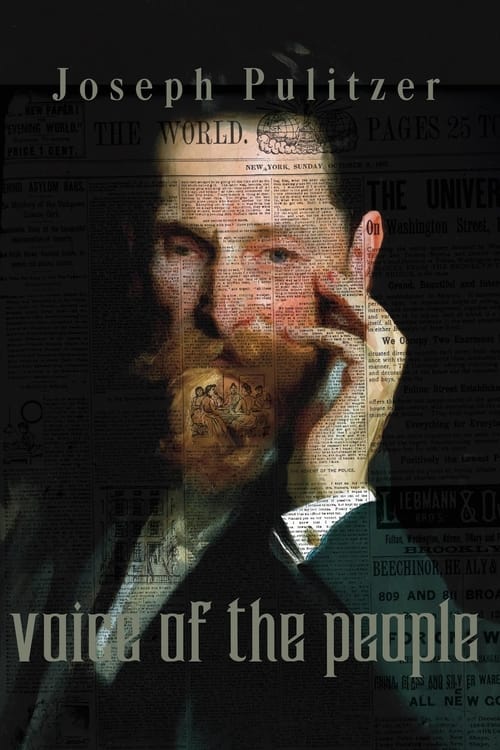
I loved how the documentary balanced interviews with visuals, especially the use of archival material to complement what the interviewees were saying. The creators did a great job with the research!
It features many actual examples of newspapers from that era, and it was genuinely surprising to see how many different things could be found in them. Some of them even included dress patterns! As someone who mostly consumes news through websites and social media, it was truly fascinating to see what newspapers used to be like.
The documentary also shows how Pulitzer and
The New York World came along at exactly the right time. The public was ready for a voice like his that could challenge corruption and bring attention to social progress.
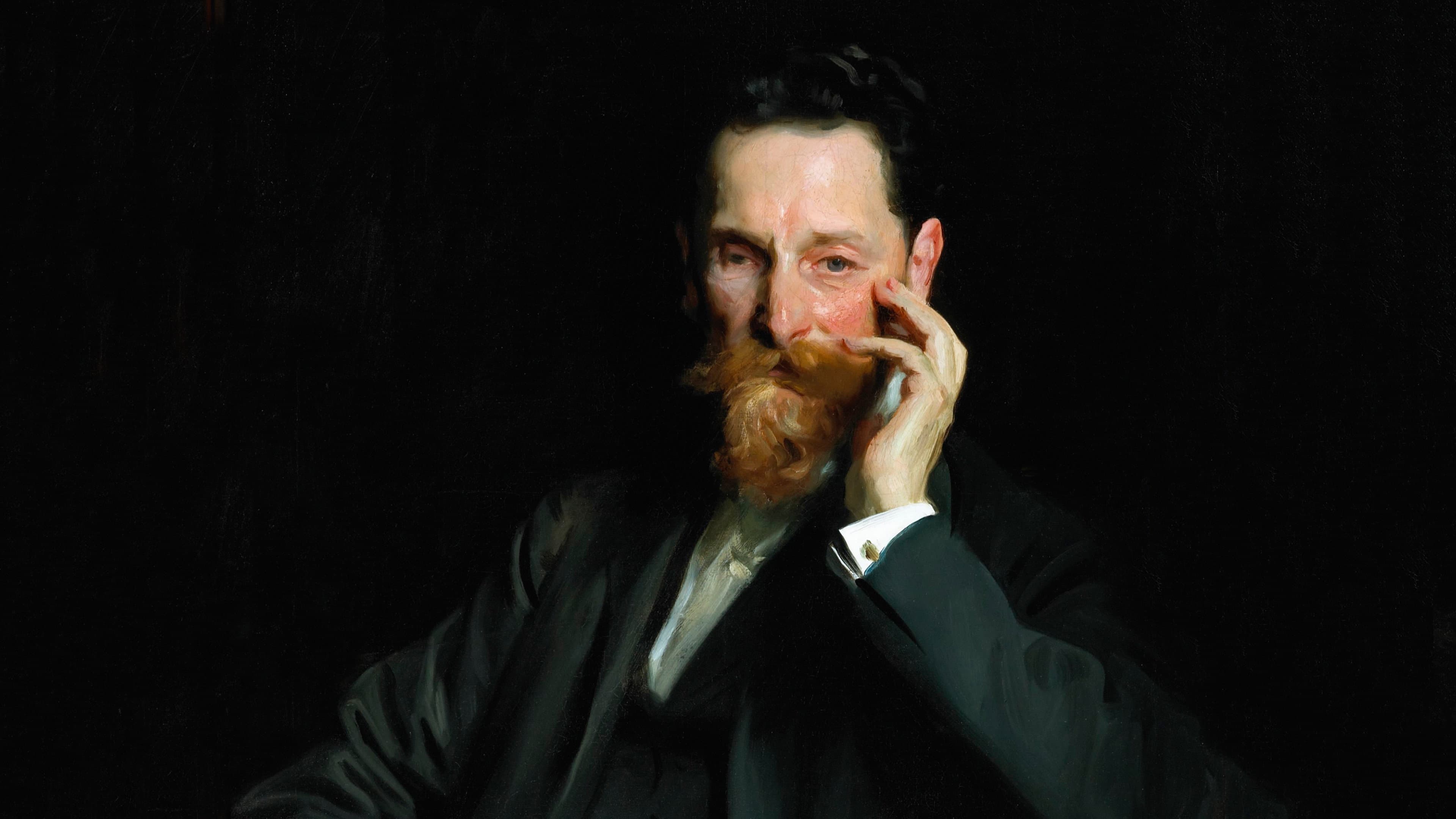
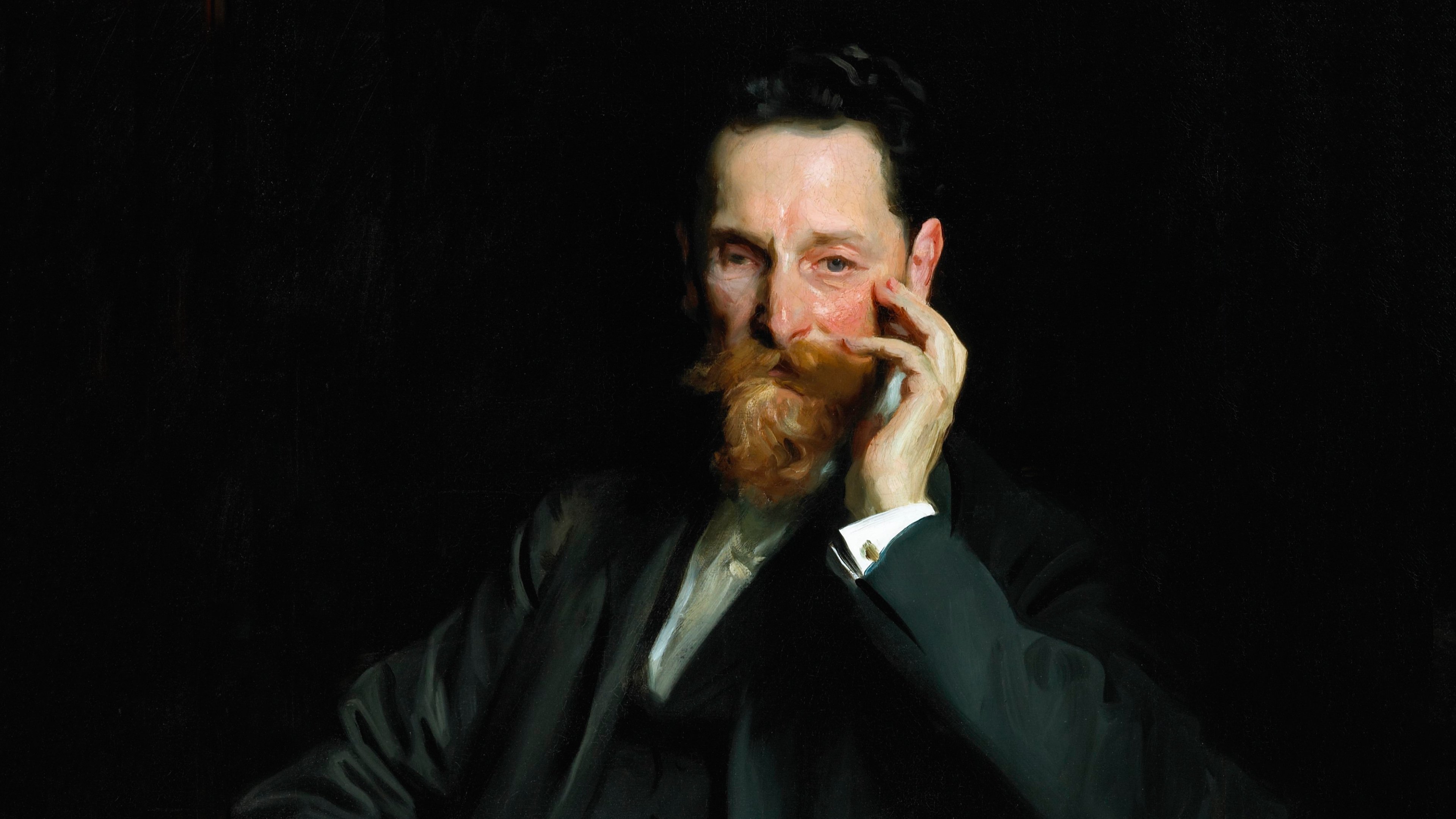
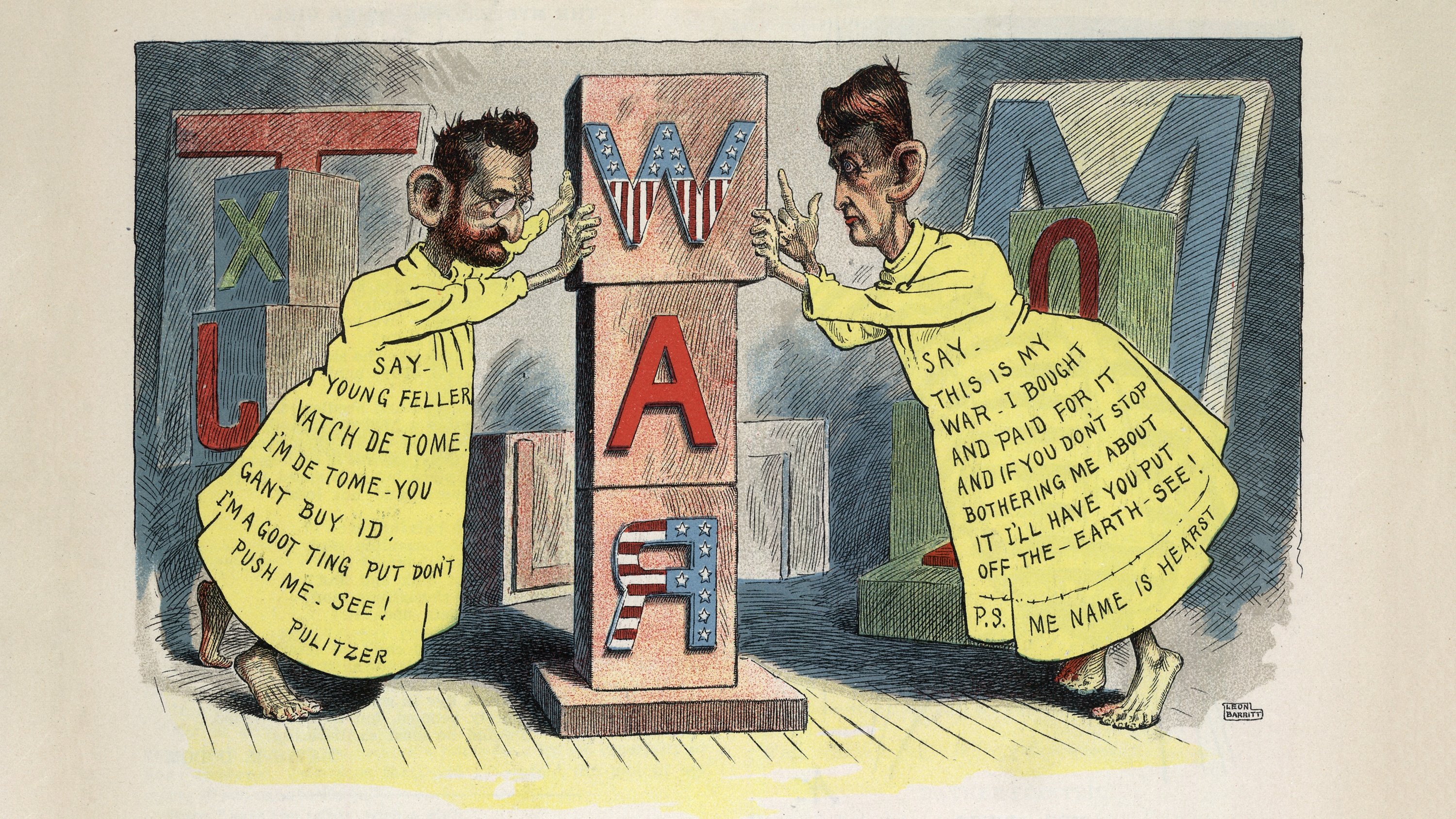
“Earlier, the idea was that poverty and disability and so on were the will of God. And so, there’s this new idea that people can be made better, that the world can be made better, that corruption of the bad institutions and the successes of the progressive institutions should be reported. That they were of interest to the public.”Joseph Pulitzer himself comes across as a very intelligent man and a remarkably good businessman. Sadly enough, neither he nor Hearst showed much responsibility during the Spanish-American War, especially considering the amount of influence and power they had ✌🏼
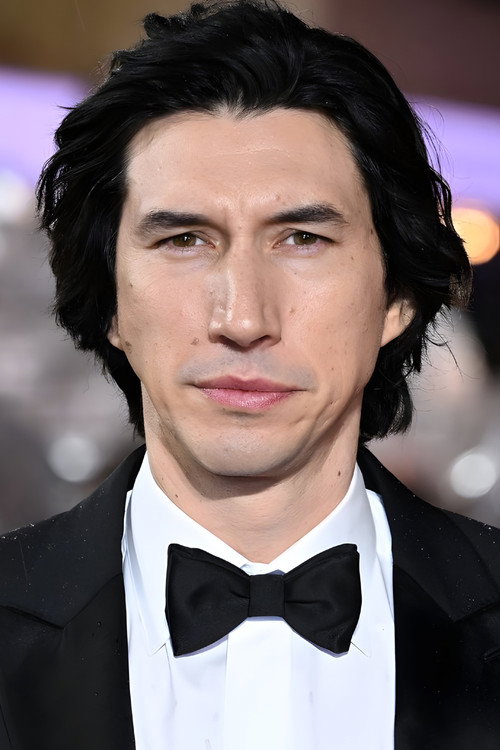
Going into the documentary, all I really knew about Joseph Pulitzer was that there is a prize named after him, so it ended up being quite educational! Along the way, I learned the stories behind several terms, some familiar and others completely new to me, like yellow journalism and Hogan’s Alley. The storytelling kept me genuinely invested the whole time, which honestly surprised me since many of us probably clicked on the documentary only because of the voiceover by Sebastian Stan, Hugh Dancy or Adam Driver :)
(P.S. WAIT I ACTUALLY FORGOT TO PAY ATTENTION TO SEBASTIAN’S LINES 😭😭😭😭😭 when were they ohhhhmygoddd )