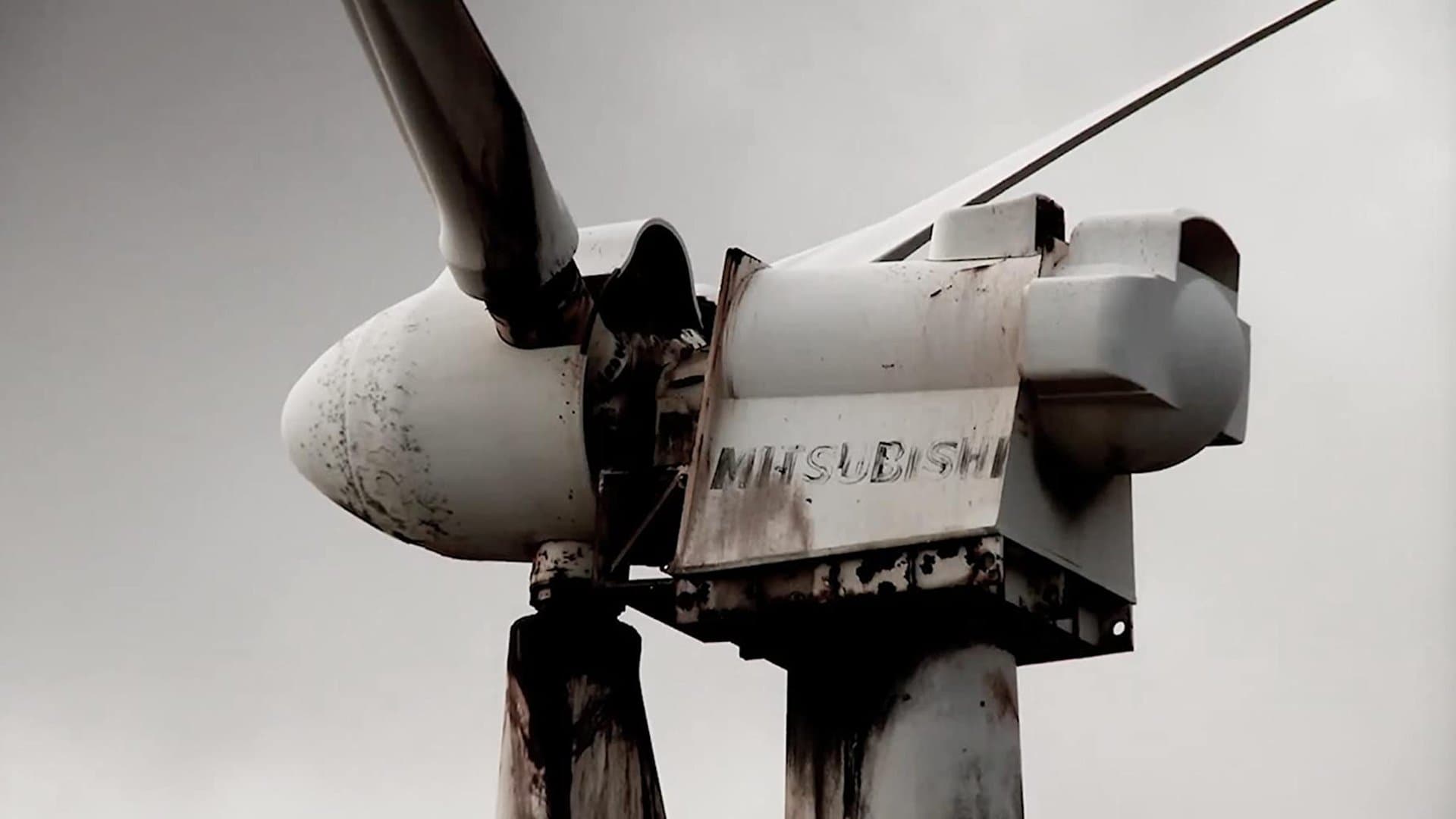
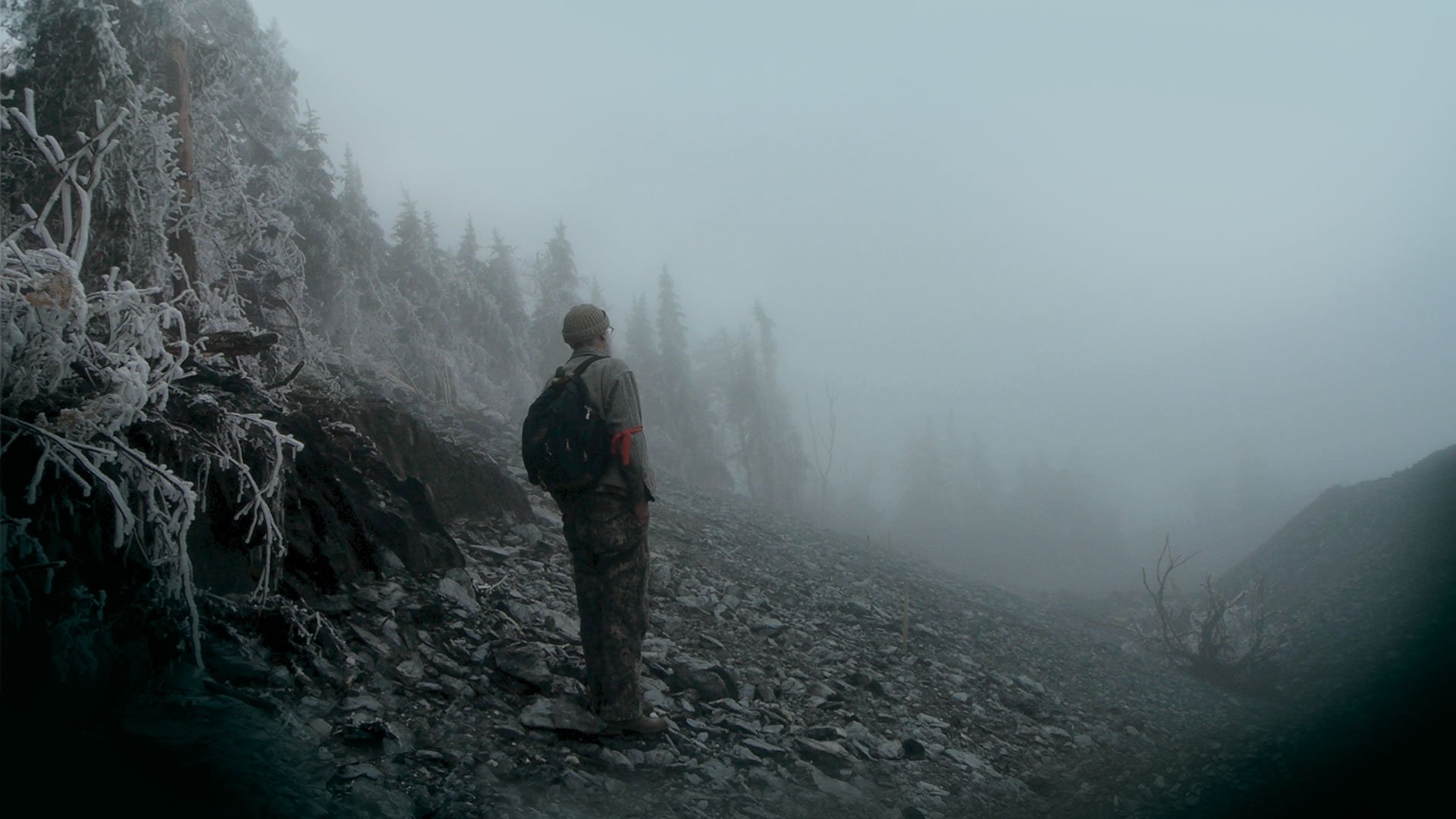
What a complete mess. Gibbs argues in the first hour that it would be easier to change the consciousness (!) of our entire species (!!) vis-a-vis population control rather than increasing energy efficiency, improving storage technology, or simply devoting more land to solar panels. (Little, if any, time is devoted to suggesting policy fixes to the underlying problem i.e. capitalist greed.) There are a million other flaws with the documentary in both form and content, from the fake-amateur framing to the utilization of old data to the complete omission of any discussion on nuclear energy. The movie only exhibits any worth towards the end, when it interrogates the relationship between capitalism, biomass energy, and sustainability activists. But by this point (about 1:10 into the film), it's way too late to save the movie--just like trying to reverse the effects of decades of climate change without utilizing renewable resources.
What a complete mess. Gibbs argues in the first hour that it would be easier to change the consciousness (!) of our entire species (!!) vis-a-vis population control rather than increasing energy efficiency, improving storage technology, or simply devoting more land to solar panels. (Little, if any, time is devoted to suggesting policy fixes to the underlying problem i.e. capitalist greed.) There are a million other flaws with the documentary in both form and content, from the fake-amateur framing to the utilization of old data to the complete omission of any discussion on nuclear energy. The movie only exhibits any worth towards the end, when it interrogates the relationship between capitalism, biomass energy, and sustainability activists. But by this point (about 1:10 into the film), it's way too late to save the movie--just like trying to reverse the effects of decades of climate change without utilizing renewable resources.