------------------------------------------------------------------------------
Day 248 of 365 of
my year long challengeWeek 36: Breaking News!
-----------------------------------------------------------------------------
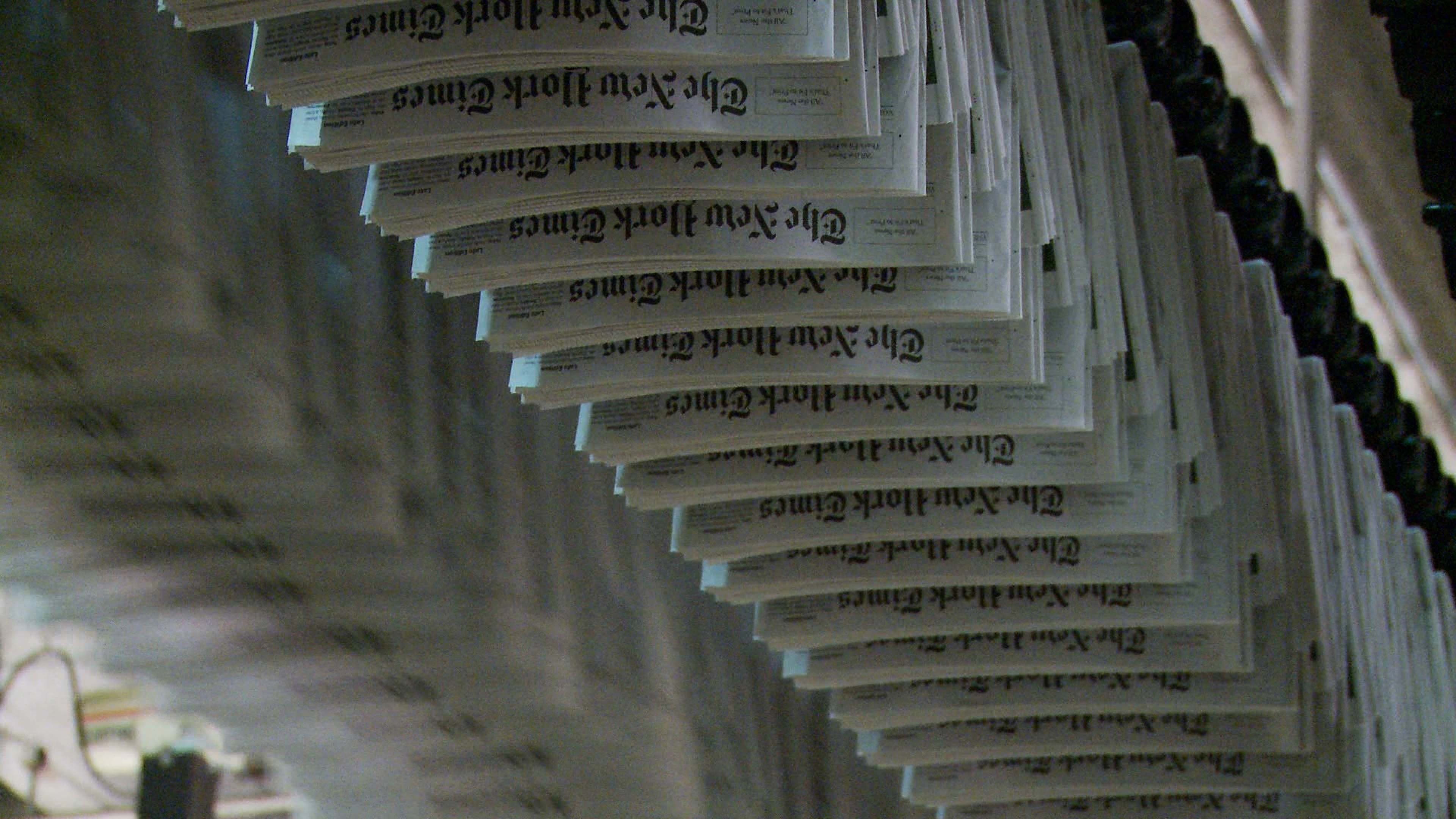
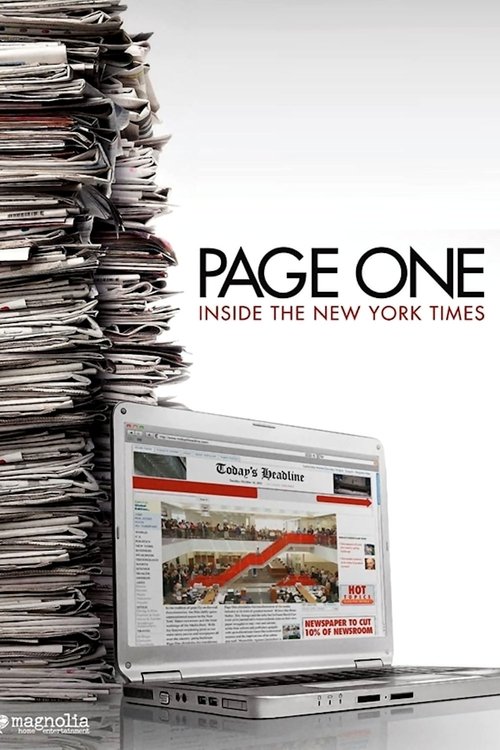
The New York Times remains one of, if not the dominant player in traditional print media. The world over knows who and what
The New York Times is and stands for but in an age of ever-changing technology, can a monolith such as this remain relevant, profitable and ultimately justifiable any longer?
While that's not quite the wording of the question this documentary asks, it's certainly the foundation for everything the film looks at.
Page One takes us inside this institution over the course of a year as it powers through and responds to a seismic shift in the industry. The rise of the internet, social media and new technologies, as well as the constant spectre of bankruptcy and the disappearance of advertising dollars, are all central to this new landscape where
The New York Times remains a touchstone and champion for the industry, as well as its Alamo.
As interesting as the documentary is, especially when it's asking broad questions about the future of the industry at large,
Page One is hardly revelatory or groundbreaking. For anyone who has encountered the internet, you're already inherently familiar with and a contributing factor to the problem. The film doesn't lay blame but really, who buys physical newspapers anymore. We pick and choose the news we want and see it aggregated through whatever social media account we prefer.
Narration comes through the occasional text cards but answers, comments and quotes are largely left to exist in their own ether. They aren't without context but there's no guiding voice to provide the film with an opinion or agenda. I suppose then, that is where David Carr steps in. A reporter for
The New York Times, Carr had a keen insight into the media industry and wasted no time on unnecessary flourishes. He's the unofficial hero of the film as he presents the reality quite bluntly while fighting for the integrity and longevity of traditional print media.
And that's the thing. If you are watching this, you are, almost certainly, familiar with the debate that continues to plague news media in every format. If you're watching this, you're also more than likely to be a supporter of traditional print media. Journalists of every kind will be the ones who find most enjoyment and engagement out of this but for everyone else, it's little more than a curious sneak-peek at an institutional titan but little else.