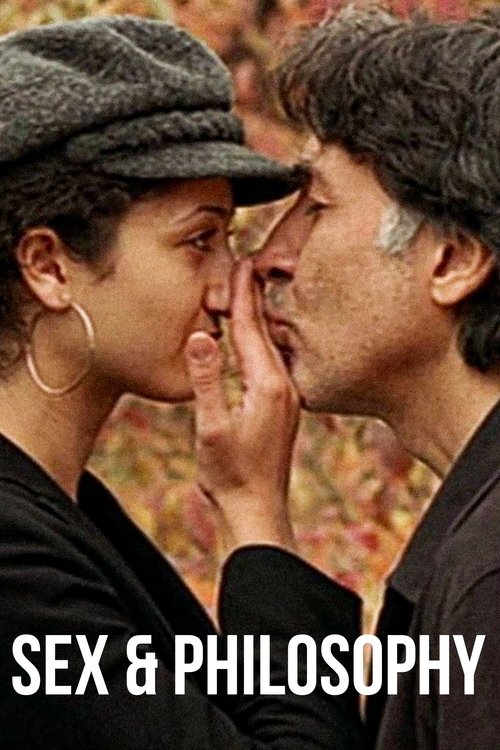
As interesting as the topic is, I don’t think Makhmalbaf manages to go deeper than surface level here. His main goal seems to be breaking certain universal cultural taboos regarding the modern philosophy behind sex, love, and loyalty, as well as gendered demands and the change of those demands through time in history, time through a relationship, and from one relationship to the next.
John’s (main character) philosophy does not go beyond the idea that modernity has changed the nature of love, and that love is nothing more than a romantic situation, resulting from randomized sequences of events. These situations will never last, because romance as pure connection between two people no longer has the opportunity to survive. Sex does not indicate or solidify true and lasting love. Instead, it is the circumstance brought by chance that may be romantic. A person can live and experience the moment of romance, and let it pass by. The fleeting connections in the end, lead to loneliness for everyone involved. In this life of modernité, the notion of loyalty proven through physical monogamy is devoid of meaning. The women each symbolize a different type of feminine love associated with developing life stages/age. But the outcome each time is the same. With this philosophy, each one leaves heartbroken, and the man has no refuge but his own solitude.
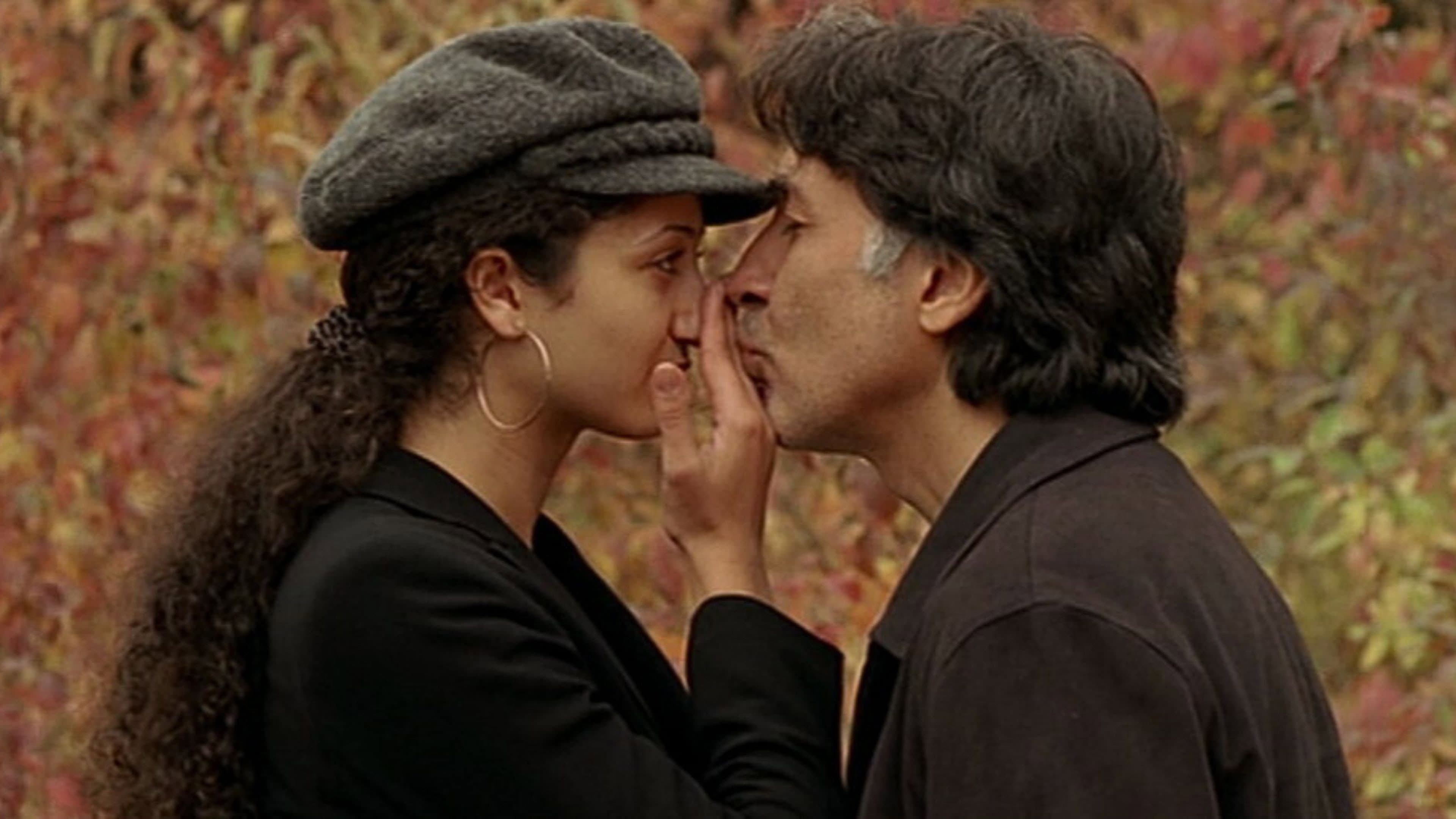
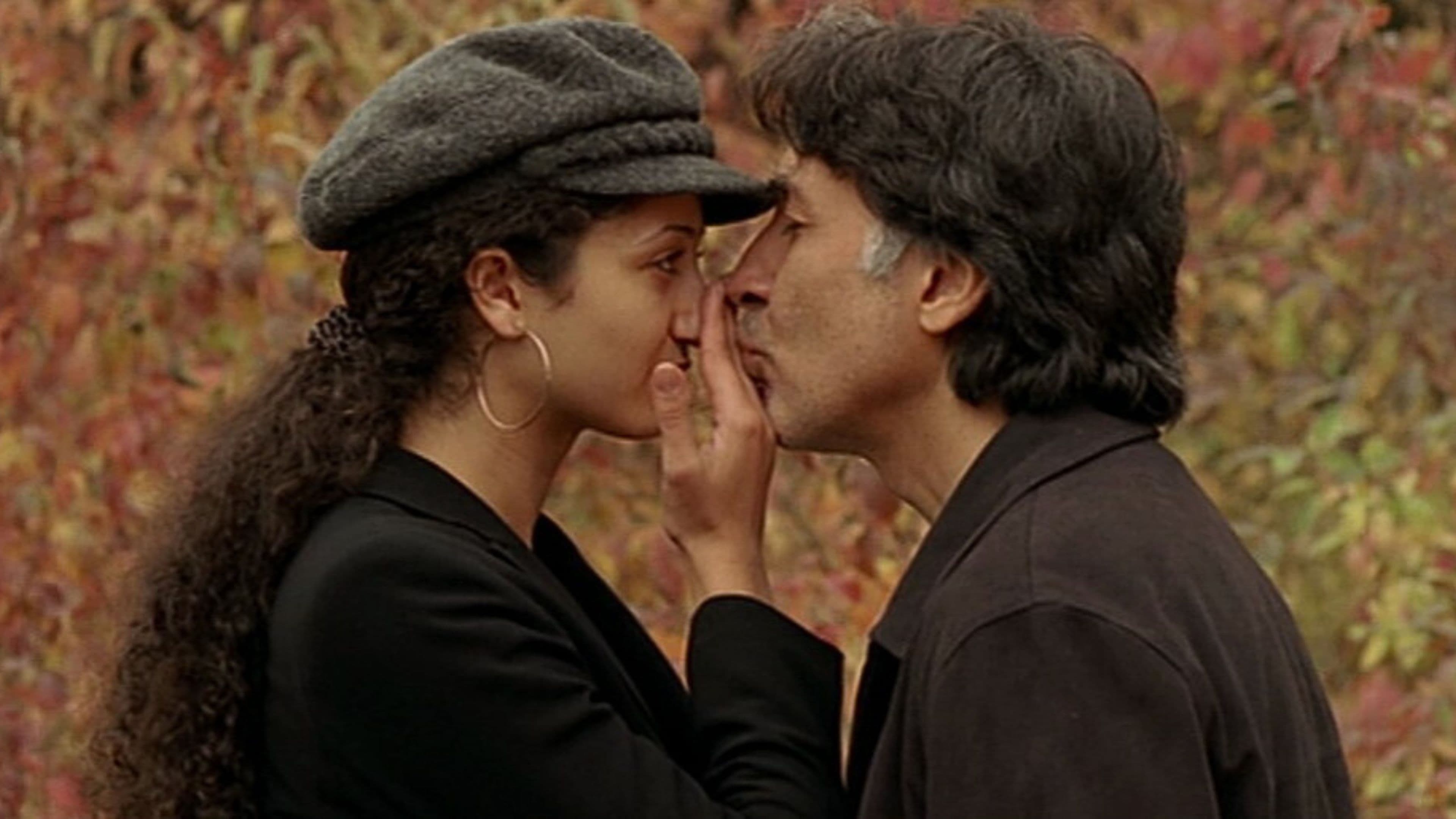
I admire bringing forth the topic onto the screen with farsi-speaking actors, given that the background from which Makhmalbaf comes refuses to acknowledge the change of attitude towards love and sex. I also appreciate the unfair social treatment when it comes to sexual freedom of choice when it comes to women deciding to have the same philosophy as John. But I think the arguments are flawed. Modernity cannot independently restrict romance, except with a person's adoption of a new lifestyle and new values without changing the expectations and consequences of those new values. E.g John measured his moments of true happiness with a chronometer only when he was experiencing romance, but the time wouldn’t begin until the first kiss, symbolizing all the remaining sexual experience. One cannot value only the moment of sex with the expectation of happiness outside it, and then go on to and argue that modernity does not allow for love in the classic sense. It is the shaping of a life, and the decision to be happy with what one might argue is love’s new nature of temporary existence, but love nonetheless. The issue is, John seems unhappy.
If he were true to his philosophy, then he would not claim a dead end of solitude once a relationship was gone. He could not claim to have been searching for love, if happiness did not exist outside of the woman’s body and within the time spent by her side. It is all a case of sophistry.
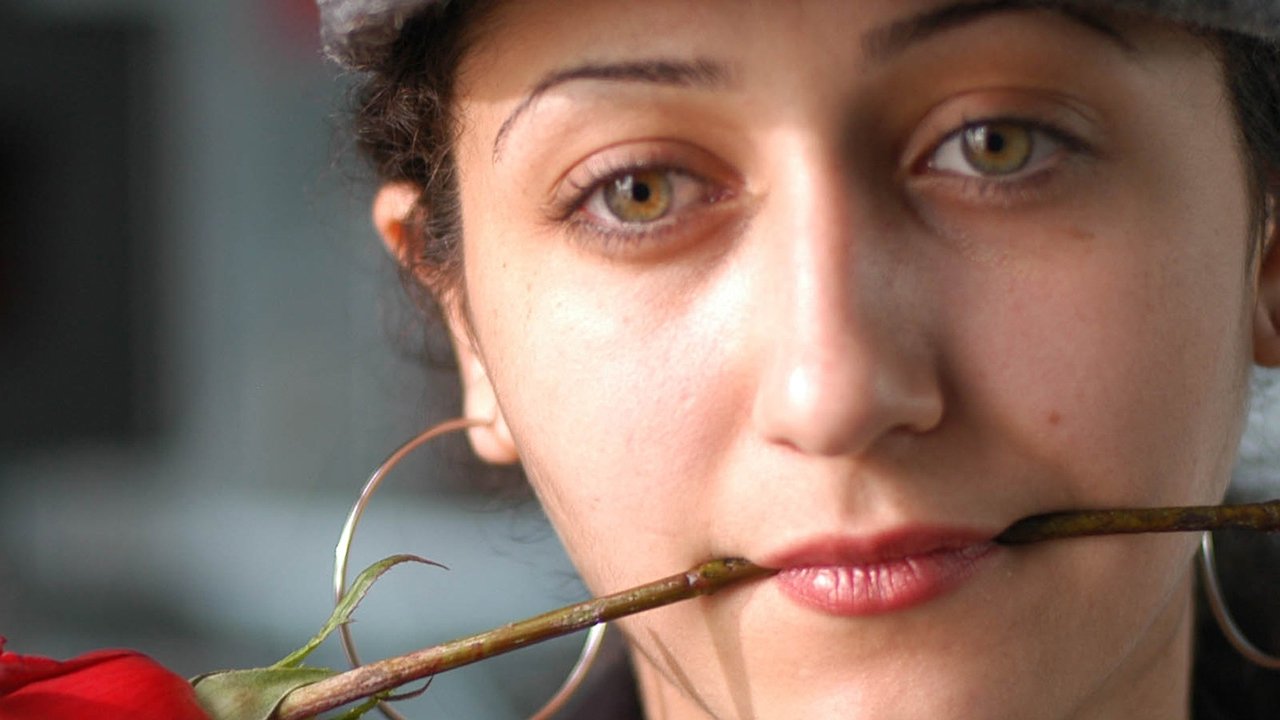
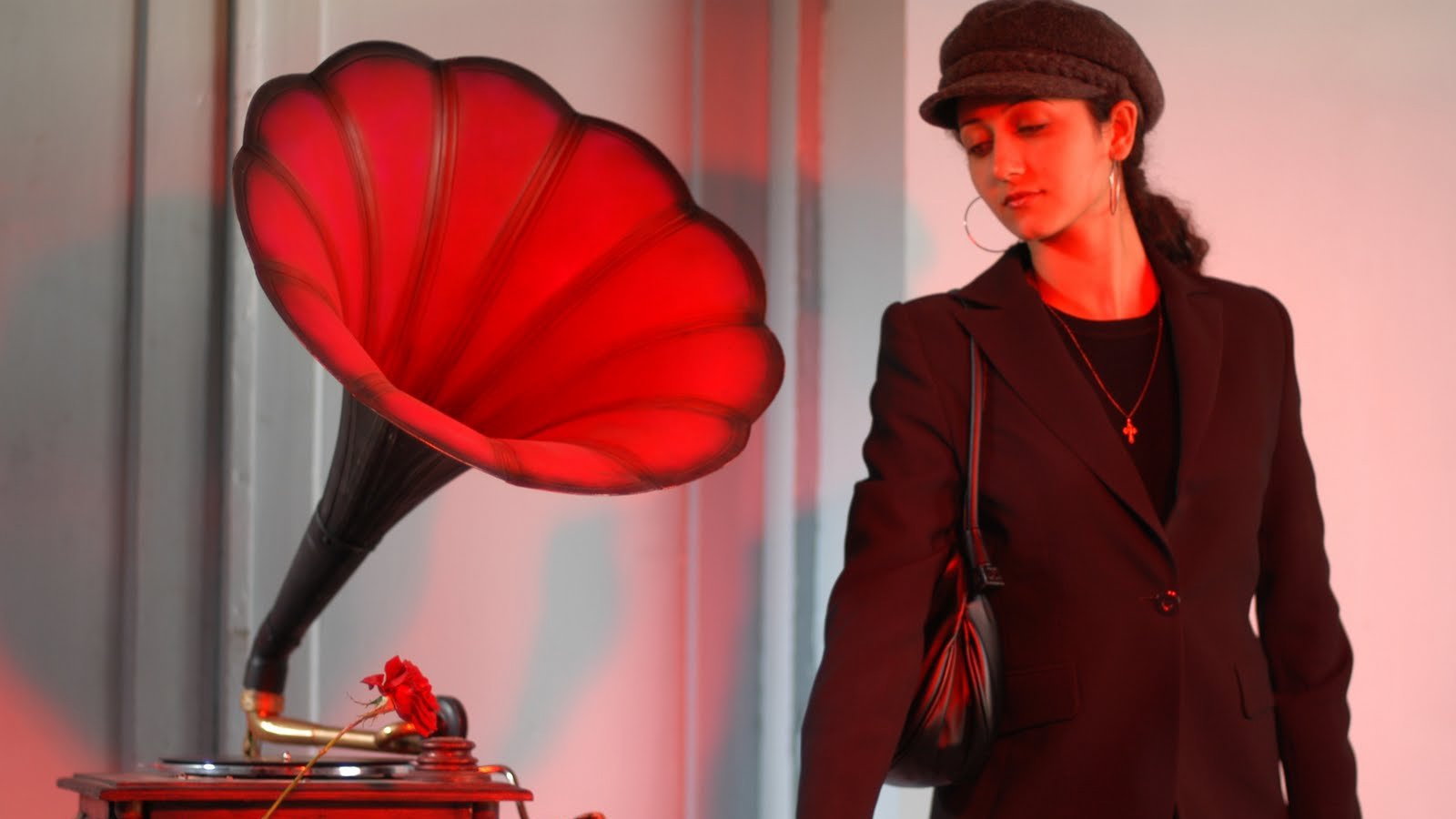
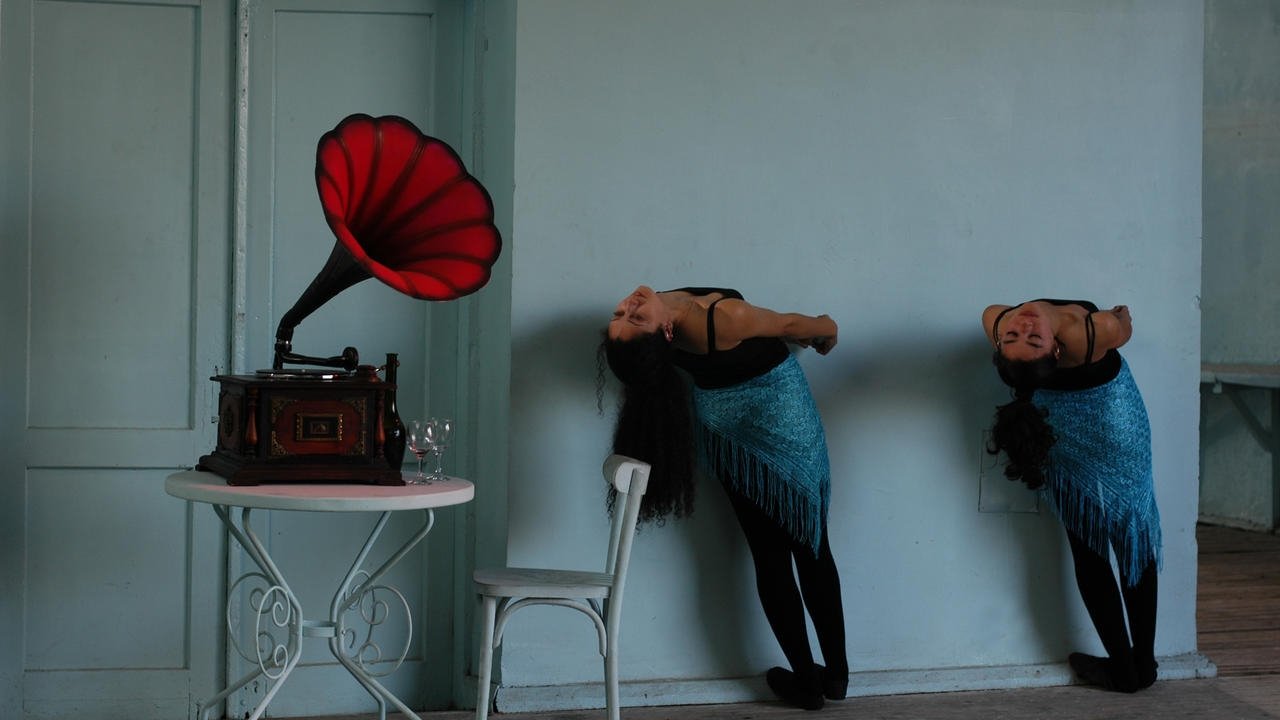
The vision may be creative, but the final execution is lacking. Even though I don’t necessarily have an issue with low-budget movies, this one doesn’t have the expected artistic vision associated with the film’s potential, other than maybe for a couple of scenes with beautiful color palettes (e.g when Maryam is walking away with her sacred love). The dance choreography doesn’t add value to the narration in a meaningful way, and the dialogues barely exhibit/inspire sophisticated thought or feeling. Given how long the movie is, the female characters could have been explored much more instead of being mere caricatures of symbolism. Alas, this is the fate of femininity: What part of the self will you represent? Will you ever be whole?
As interesting as the topic is, I don’t think Makhmalbaf manages to go deeper than surface level here. His main goal seems to be breaking certain universal cultural taboos regarding the modern philosophy behind sex, love, and loyalty, as well as gendered demands and the change of those demands through time in history, time through a relationship, and from one relationship to the next.
John’s (main character) philosophy does not go beyond the idea that modernity has changed the nature of love, and that love is nothing more than a romantic situation, resulting from randomized sequences of events. These situations will never last, because romance as pure connection between two people no longer has the opportunity to survive. Sex does not indicate or solidify true and lasting love. Instead, it is the circumstance brought by chance that may be romantic. A person can live and experience the moment of romance, and let it pass by. The fleeting connections in the end, lead to loneliness for everyone involved. In this life of modernité, the notion of loyalty proven through physical monogamy is devoid of meaning. The women each symbolize a different type of feminine love associated with developing life stages/age. But the outcome each time is the same. With this philosophy, each one leaves heartbroken, and the man has no refuge but his own solitude.
I admire bringing forth the topic onto the screen with farsi-speaking actors, given that the background from which Makhmalbaf comes refuses to acknowledge the change of attitude towards love and sex. I also appreciate the unfair social treatment when it comes to sexual freedom of choice when it comes to women deciding to have the same philosophy as John. But I think the arguments are flawed. Modernity cannot independently restrict romance, except with a person's adoption of a new lifestyle and new values without changing the expectations and consequences of those new values. E.g John measured his moments of true happiness with a chronometer only when he was experiencing romance, but the time wouldn’t begin until the first kiss, symbolizing all the remaining sexual experience. One cannot value only the moment of sex with the expectation of happiness outside it, and then go on to and argue that modernity does not allow for love in the classic sense. It is the shaping of a life, and the decision to be happy with what one might argue is love’s new nature of temporary existence, but love nonetheless. The issue is, John seems unhappy.
If he were true to his philosophy, then he would not claim a dead end of solitude once a relationship was gone. He could not claim to have been searching for love, if happiness did not exist outside of the woman’s body and within the time spent by her side. It is all a case of sophistry.
The vision may be creative, but the final execution is lacking. Even though I don’t necessarily have an issue with low-budget movies, this one doesn’t have the expected artistic vision associated with the film’s potential, other than maybe for a couple of scenes with beautiful color palettes (e.g when Maryam is walking away with her sacred love). The dance choreography doesn’t add value to the narration in a meaningful way, and the dialogues barely exhibit/inspire sophisticated thought or feeling. Given how long the movie is, the female characters could have been explored much more instead of being mere caricatures of symbolism. Alas, this is the fate of femininity: What part of the self will you represent? Will you ever be whole?