“This is our car”
.
.
Sometimes, movies are so complex that, when the screen goes black, you have no idea what just happened, but at least you know that you didn’t understand it. Other times, you think you’ve grasped all of what the movie has to offer until you decide to go a little further. White eye falls on the latter category.
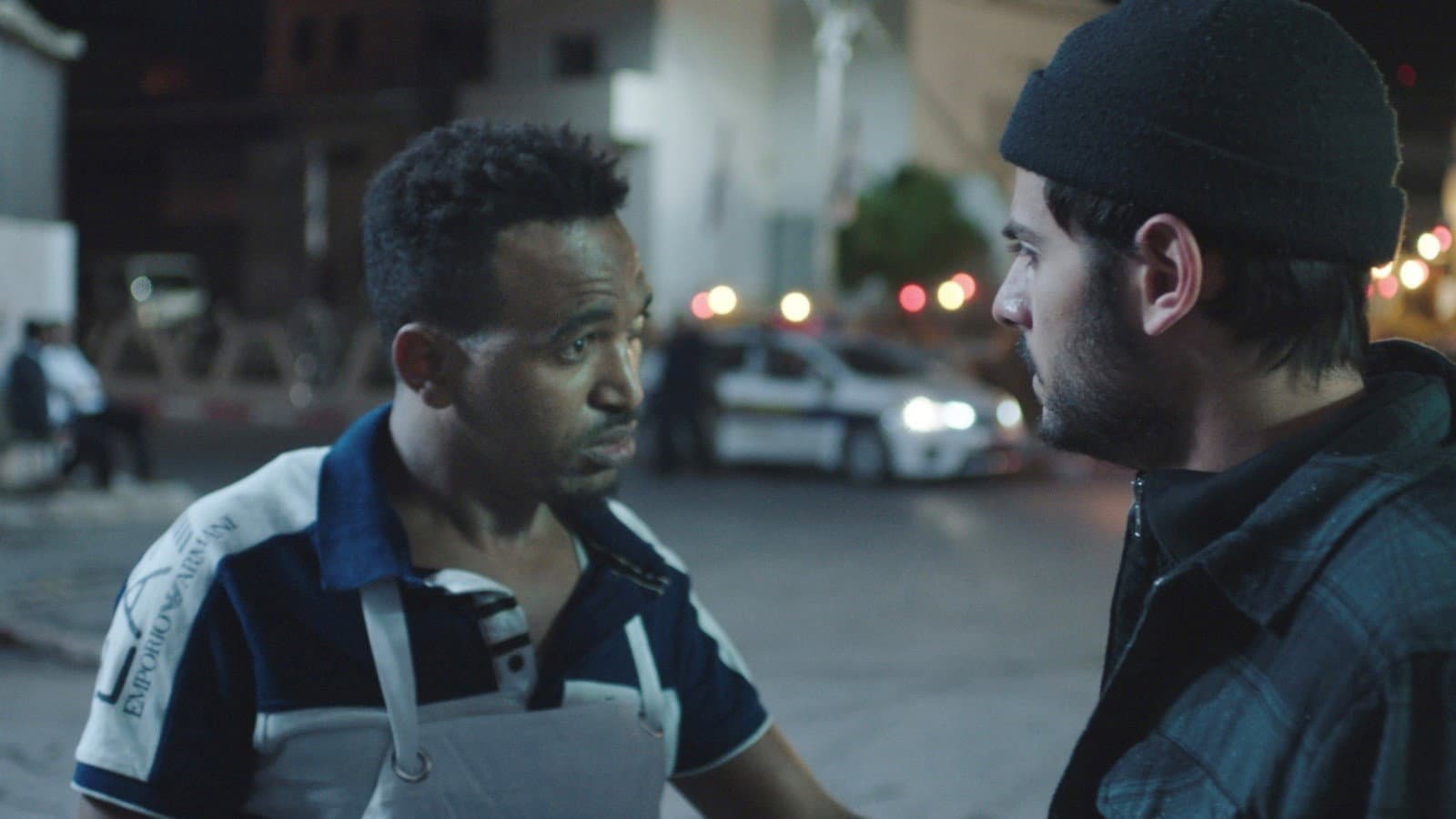
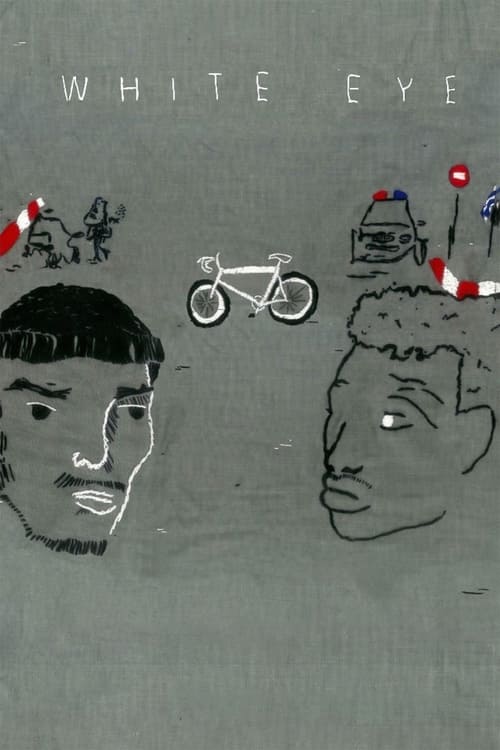
This one-take Israeli short tells the story of a guy, Omer, who finds his bike - which had been stolen - and tries desperately to get it back. I don’t believe he had any special attachment that made retrieving the bike all that important to him, other than for a mere sense of justice. However, as he focuses on finding the thieve and doing him his so-called justice, he learns that the consequences of getting his bike back at so much broader than he expected and could ruin an innocent man’s life.
Yunes is an Eritrean man whose work visa had expired, meaning that an encounter with the police could be, to say the least, unpleasant (and it was). He bought the bike oblivious to the fact that it was stolen, in an attempt to attend to his daughter who wanted a white bike to go to school. Immigrants and refugees aren’t usually exactly very much welcome in Israel and visas are really hard to get, so it’s easy to tell that Yunes’s situation was far from comfortable. Still, it’s better that what he’d find in his home country: Eritrea has been under a totalitarian regimen since its independence from Ethiopia in 1993, and amidst wars, poverty and censorship, it’s not a great place to live in.
With all of that context, it’s easy to see that this movie is relevant and related to today’s world context. And that is even clearer by the approach of the cops, as it could be considered that their treatment of Yunes was unfair and borderline racist, bringing forth a discussion insanely present in the last year.
Looking at it simply with a movie-fan perspective, it’s pretty great. The single take and moving camera set the scene in a way that feels as if you were there, watching - which is accentuated by the presence of some simple side characters and even the mundane situation. The actor are very good, especially Omer, who transmits his change in heart to the public before saying a single word about it.
Overall, definitely worth a watch.
“This is our car”
.
.
Sometimes, movies are so complex that, when the screen goes black, you have no idea what just happened, but at least you know that you didn’t understand it. Other times, you think you’ve grasped all of what the movie has to offer until you decide to go a little further. White eye falls on the latter category.
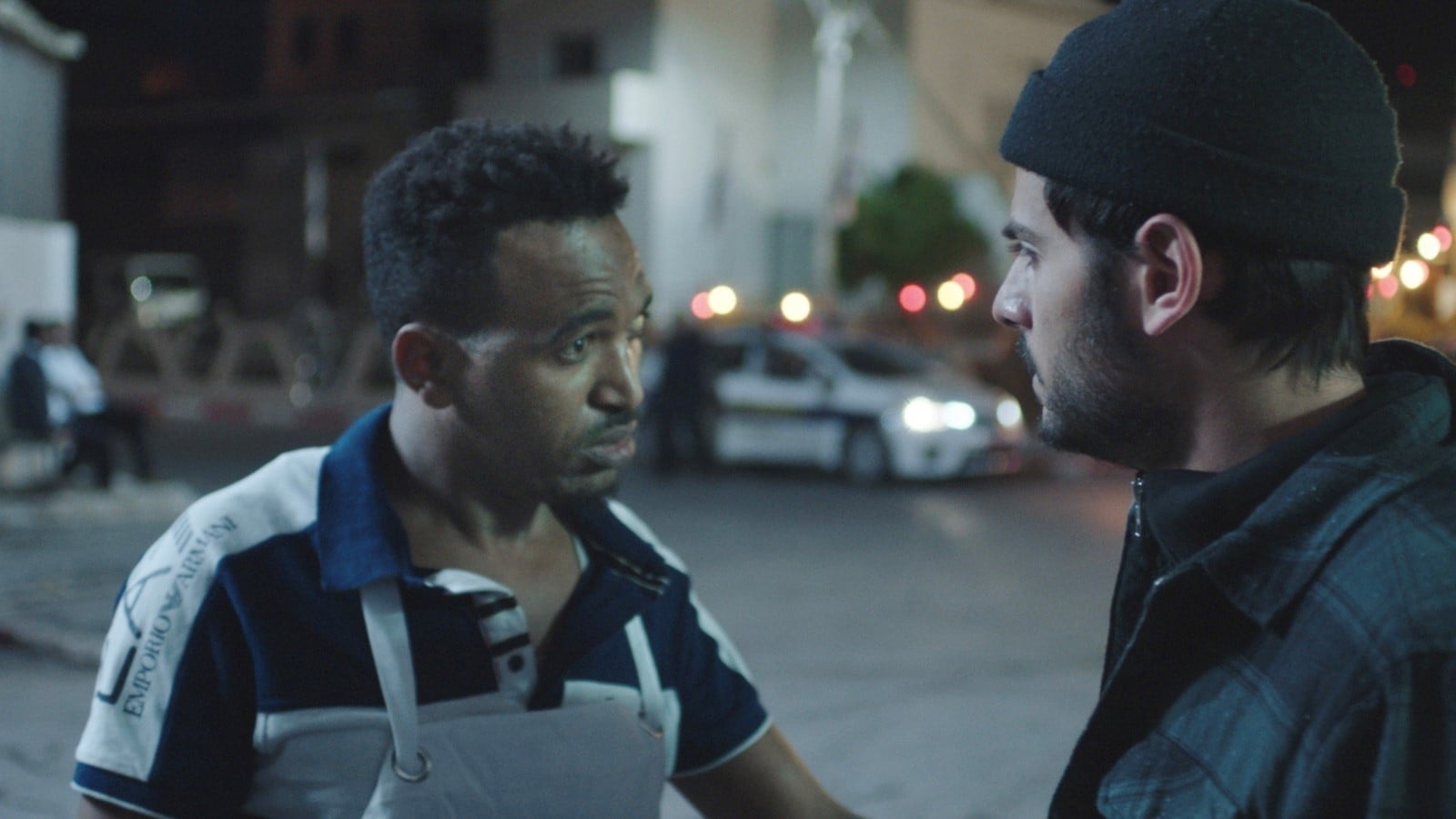
This one-take Israeli short tells the story of a guy, Omer, who finds his bike - which had been stolen - and tries desperately to get it back. I don’t believe he had any special attachment that made retrieving the bike all that important to him, other than for a mere sense of justice. However, as he focuses on finding the thieve and doing him his so-called justice, he learns that the consequences of getting his bike back at so much broader than he expected and could ruin an innocent man’s life.
Yunes is an Eritrean man whose work visa had expired, meaning that an encounter with the police could be, to say the least, unpleasant (and it was). He bought the bike oblivious to the fact that it was stolen, in an attempt to attend to his daughter who wanted a white bike to go to school. Immigrants and refugees aren’t usually exactly very much welcome in Israel and visas are really hard to get, so it’s easy to tell that Yunes’s situation was far from comfortable. Still, it’s better that what he’d find in his home country: Eritrea has been under a totalitarian regimen since its independence from Ethiopia in 1993, and amidst wars, poverty and censorship, it’s not a great place to live in.
With all of that context, it’s easy to see that this movie is relevant and related to today’s world context. And that is even clearer by the approach of the cops, as it could be considered that their treatment of Yunes was unfair and borderline racist, bringing forth a discussion insanely present in the last year.
Looking at it simply with a movie-fan perspective, it’s pretty great. The single take and moving camera set the scene in a way that feels as if you were there, watching - which is accentuated by the presence of some simple side characters and even the mundane situation. The actor are very good, especially Omer, who transmits his change in heart to the public before saying a single word about it.
Overall, definitely worth a watch.