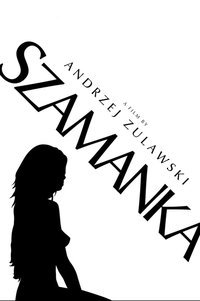
Treliński infuses a necrophiliac tint to the sad romance of the source material. This shift reminded me more of the fate of Nastasya Filippovna from The Idiot; I wonder if this was intentional. For a purist, this change would probably be problematic. I think it dramatically alters the viewer’s perception of, well, everything. Most especially affected is the framing of the climax. In the novel, it despairingly erupts. Here, it is broadcast and infused with implicit redundancy.
I think Treliński did a good job evoking a Dostoevskian world. I especially loved the man’s quarters with its expressionistic influence and dank dreariness. The acting and spatiality falls in line with the source prose too. For example, the girl’s outburst in the pawn shop where she stamps her feet and then swipes at the man. Another moment is the man’s clandestine appearance at the girl and Yefimov’s meeting.
The main thing absent from the film is a better actualization of the man’s interior, his inner dialogue. As the short story is written in first person, it infuses an omnipresent bias and a more explicit withholding. The film doesn’t do anything formal or inventive to supplant this missing element. Instead, the film doubles down on the romance, physical especially. There is a greater explicit emphasis on the corporeal. Spotlighting the girl’s corpse multiple times emphasizes the physicality of the relationship or lack thereof during.
The film ends up more morbid than its source material. Where I was left with a bit of a pit in my stomach after the short story, this left me a little more disturbed. There’s something going on with ice in this movie that I’m pretty sure was not in the book. It added a meat locker frigidity to the overall feel. I must caveat that I had to watch with translated subs, so they were flawed to hell. Ultimately, I thought it was a nice interpretation although lacking some of the power its inspiration carries.
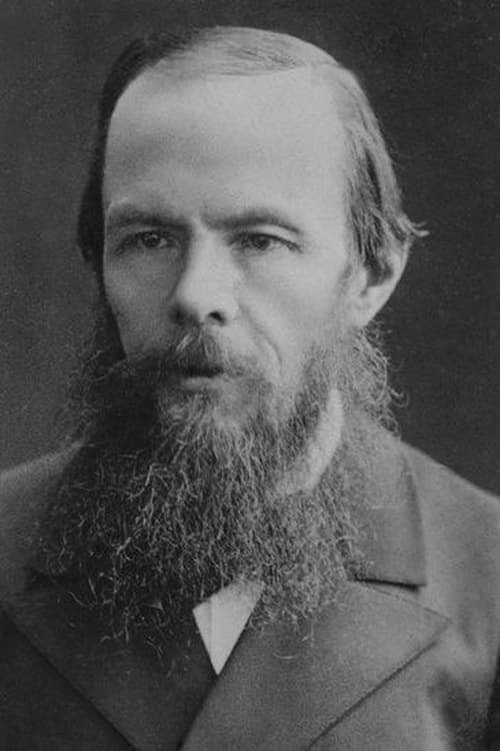
Treliński infuses a necrophiliac tint to the sad romance of the source material. This shift reminded me more of the fate of Nastasya Filippovna from The Idiot; I wonder if this was intentional. For a purist, this change would probably be problematic. I think it dramatically alters the viewer’s perception of, well, everything. Most especially affected is the framing of the climax. In the novel, it despairingly erupts. Here, it is broadcast and infused with implicit redundancy.
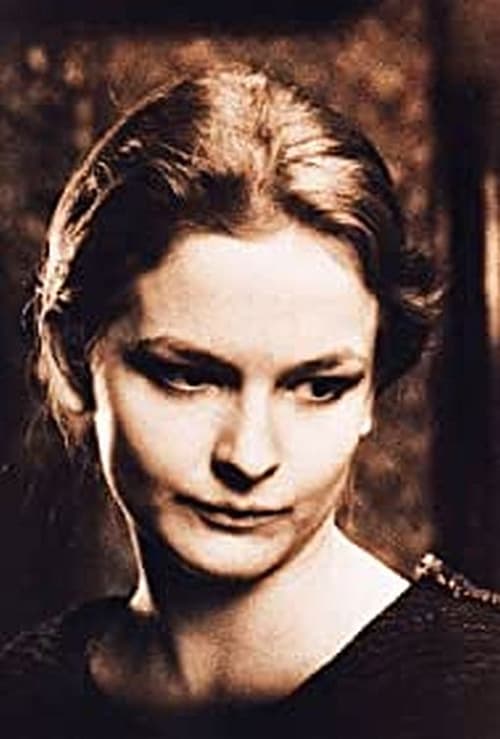
I think Treliński did a good job evoking a Dostoevskian world. I especially loved the man’s quarters with its expressionistic influence and dank dreariness. The acting and spatiality falls in line with the source prose too. For example, the girl’s outburst in the pawn shop where she stamps her feet and then swipes at the man. Another moment is the man’s clandestine appearance at the girl and Yefimov’s meeting.
The main thing absent from the film is a better actualization of the man’s interior, his inner dialogue. As the short story is written in first person, it infuses an omnipresent bias and a more explicit withholding. The film doesn’t do anything formal or inventive to supplant this missing element. Instead, the film doubles down on the romance, physical especially. There is a greater explicit emphasis on the corporeal. Spotlighting the girl’s corpse multiple times emphasizes the physicality of the relationship or lack thereof during.
The film ends up more morbid than its source material. Where I was left with a bit of a pit in my stomach after the short story, this left me a little more disturbed. There’s something going on with ice in this movie that I’m pretty sure was not in the book. It added a meat locker frigidity to the overall feel. I must caveat that I had to watch with translated subs, so they were flawed to hell. Ultimately, I thought it was a nice interpretation although lacking some of the power its inspiration carries.