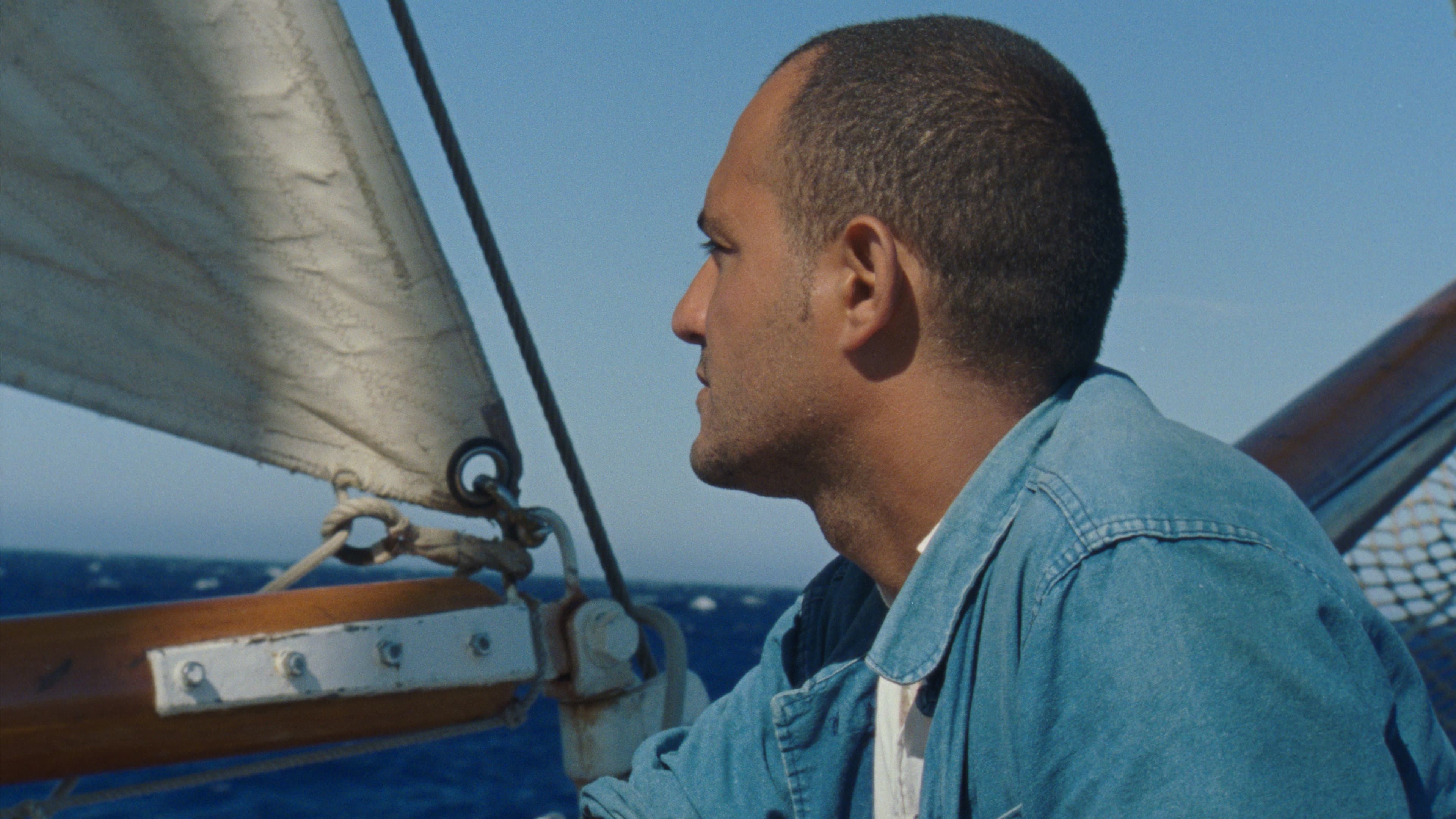
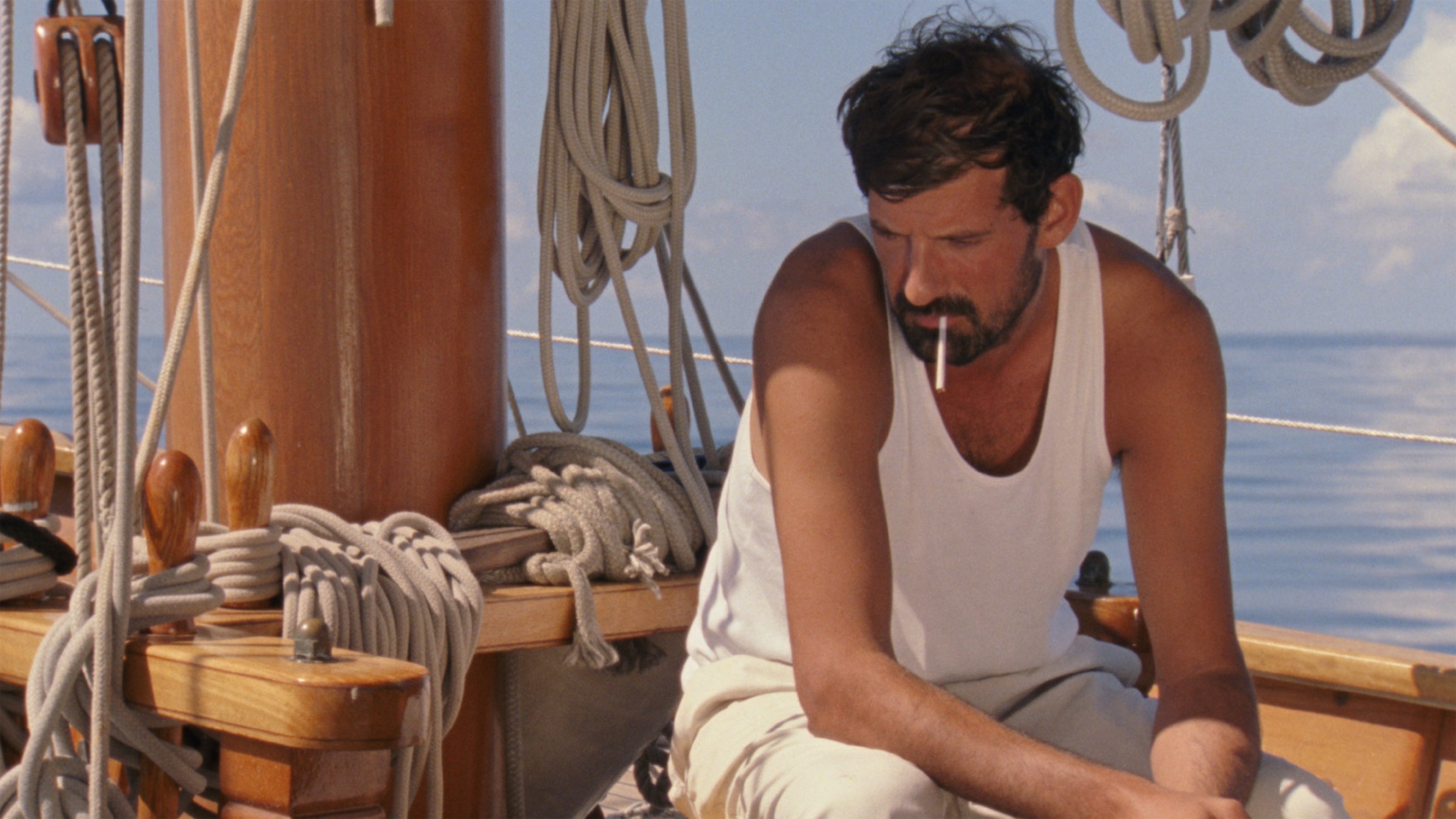
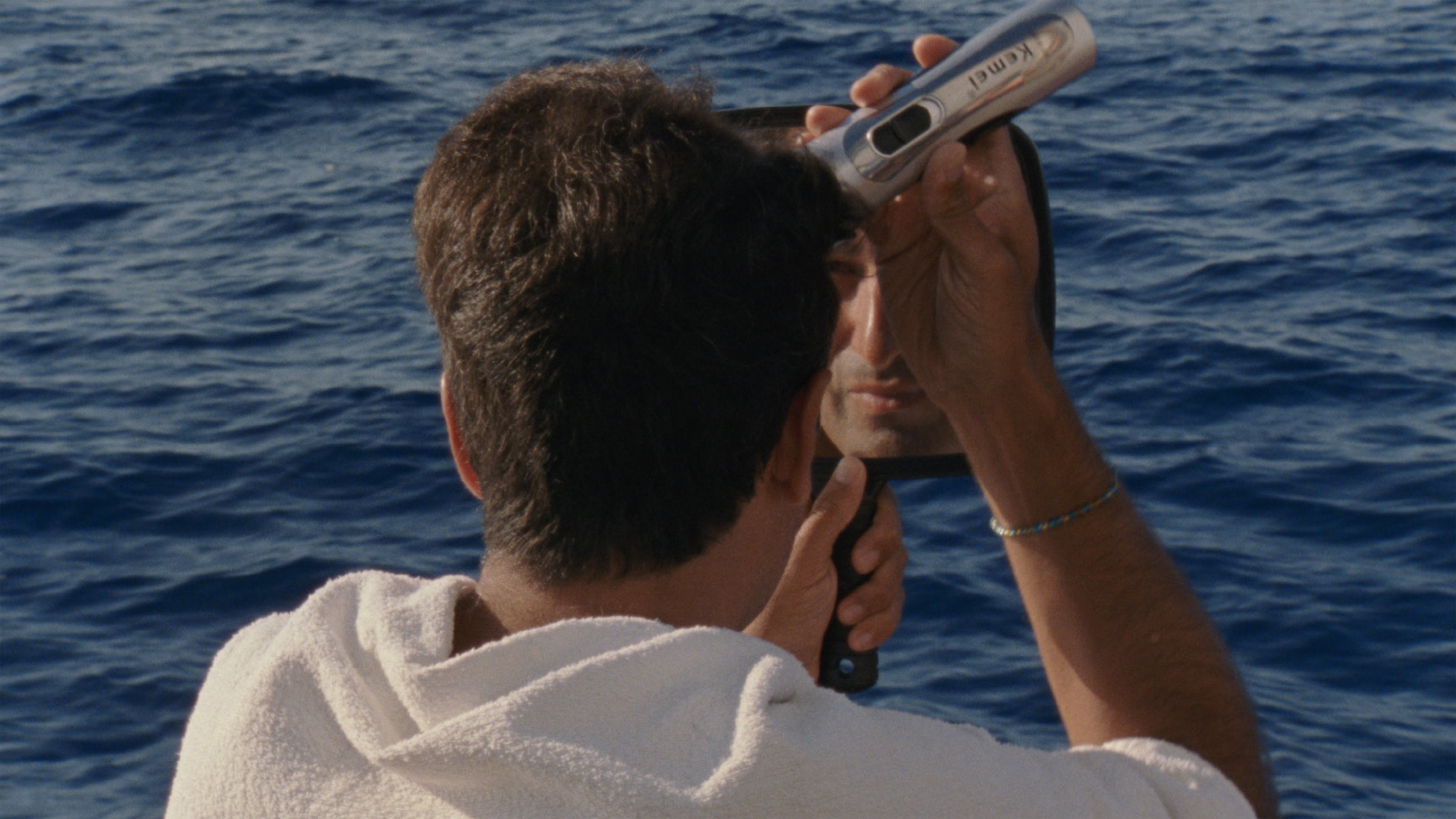
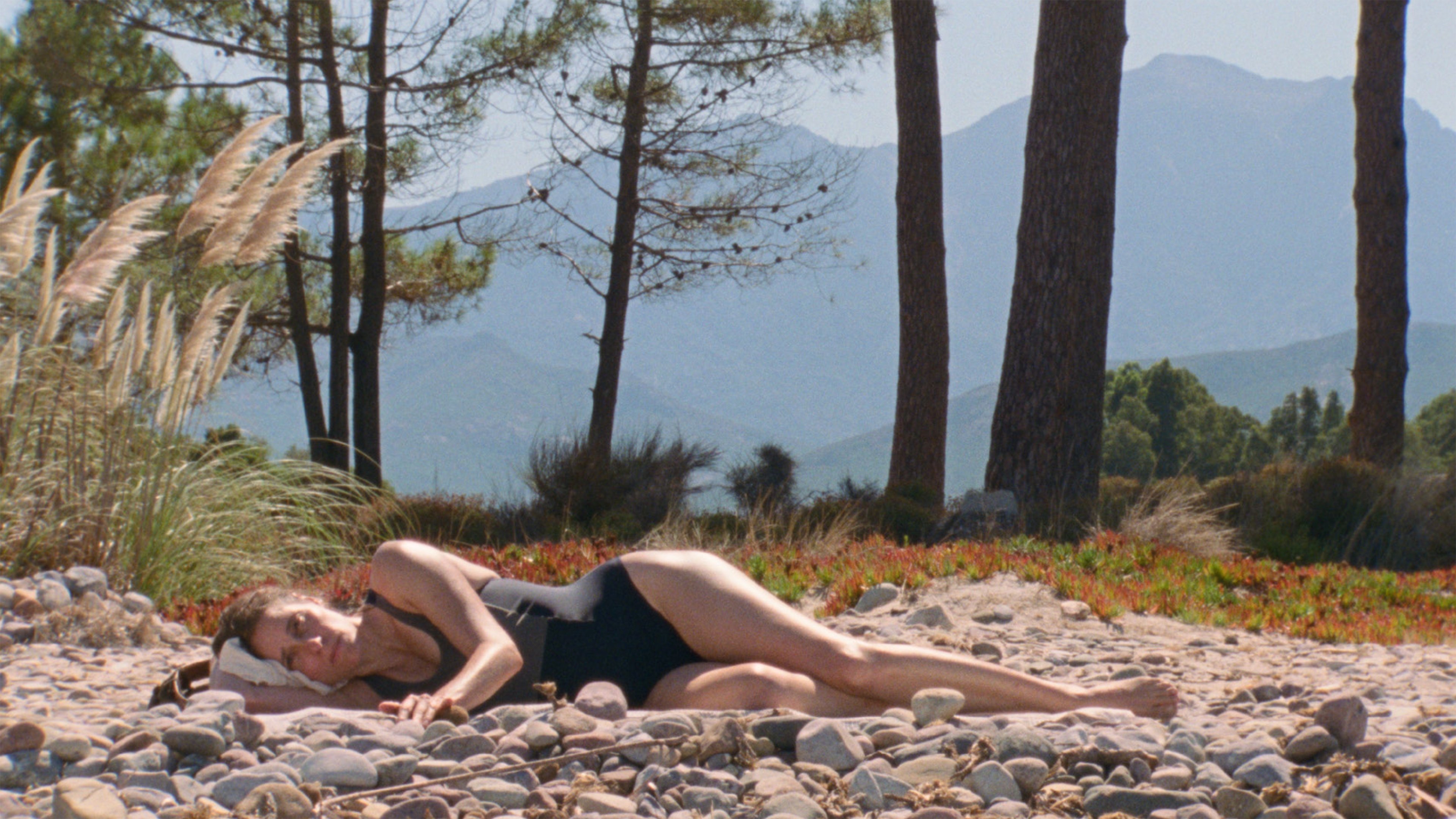
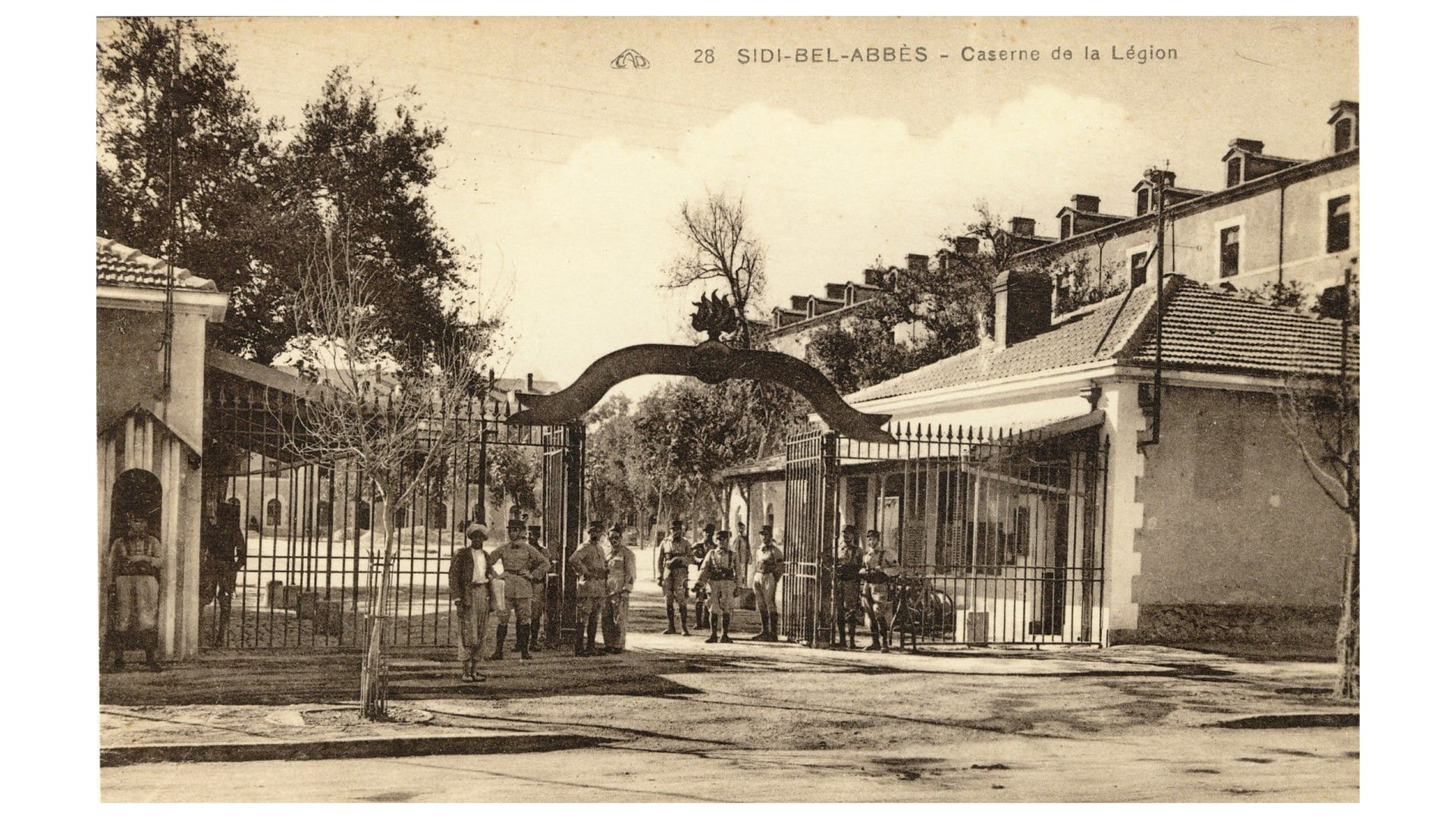
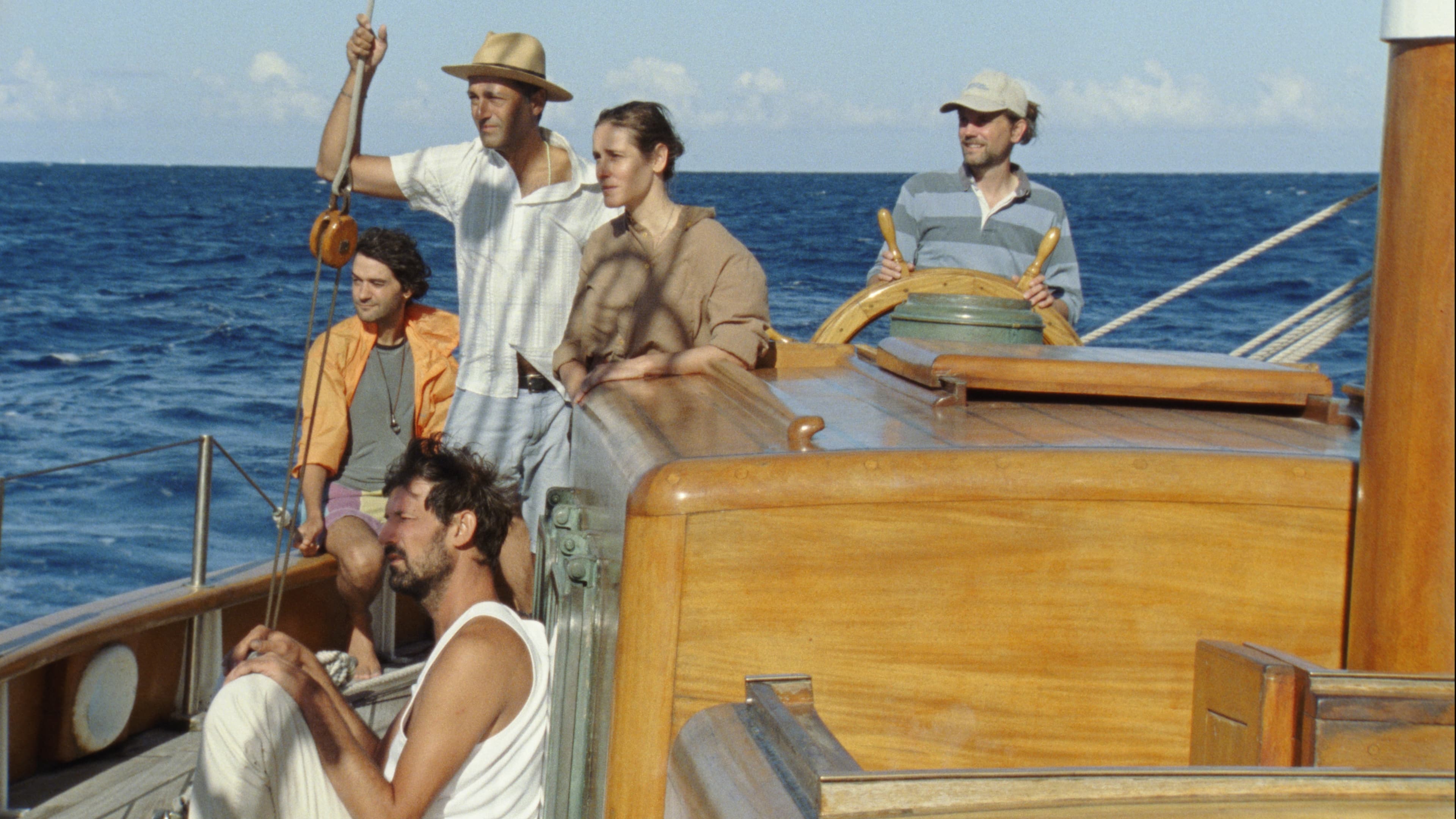
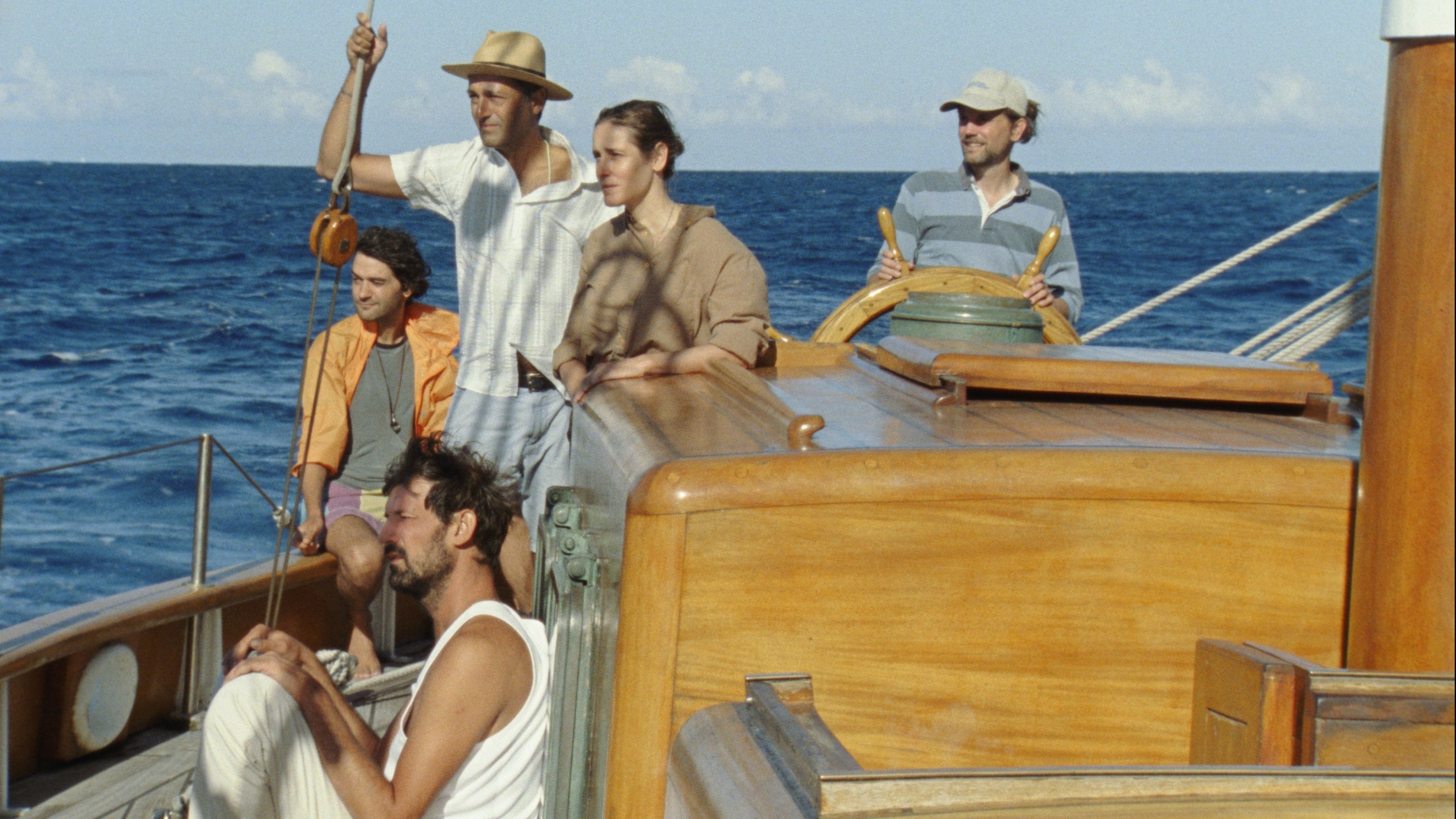
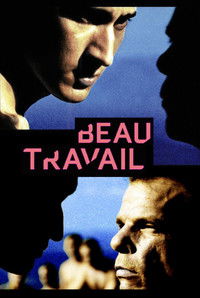
I imagine knowing this is almost directly speaking to Beau Travail would help more quickly contextualize the film. There are intentional inversions and continuations. In hindsight, I admire thinking of this closer to a collection of memories the captain has on her way to the final destination. As opposed to a traditional fluid narrative, this does all to capture the portraiture of scenes and sights. Each scene fitting comfortably into the place of a memory. Wittmann's greatest feat here, imo, is the use of sound and music. I found the implementation of sound strategic with various humdrums leading into low pulsating electronic to something with more presence at the end. Despite the extreme languidity of the film itself, it still ends up swelling in momentum. Meditations at sea.
I imagine knowing this is almost directly speaking to Beau Travail would help more quickly contextualize the film. There are intentional inversions and continuations. In hindsight, I admire thinking of this closer to a collection of memories the captain has on her way to the final destination. As opposed to a traditional fluid narrative, this does all to capture the portraiture of scenes and sights. Each scene fitting comfortably into the place of a memory. Wittmann's greatest feat here, imo, is the use of sound and music. I found the implementation of sound strategic with various humdrums leading into low pulsating electronic to something with more presence at the end. Despite the extreme languidity of the film itself, it still ends up swelling in momentum. Meditations at sea.