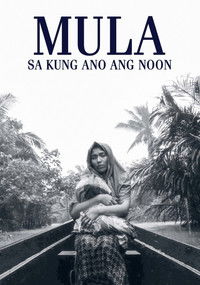
In terms of style (lots of long, still shots), themes (usually Filipino history and traditions), and length (his films last many hours), the work of Lav Diaz is definitely not among the most mainstream in modern filmmaking.
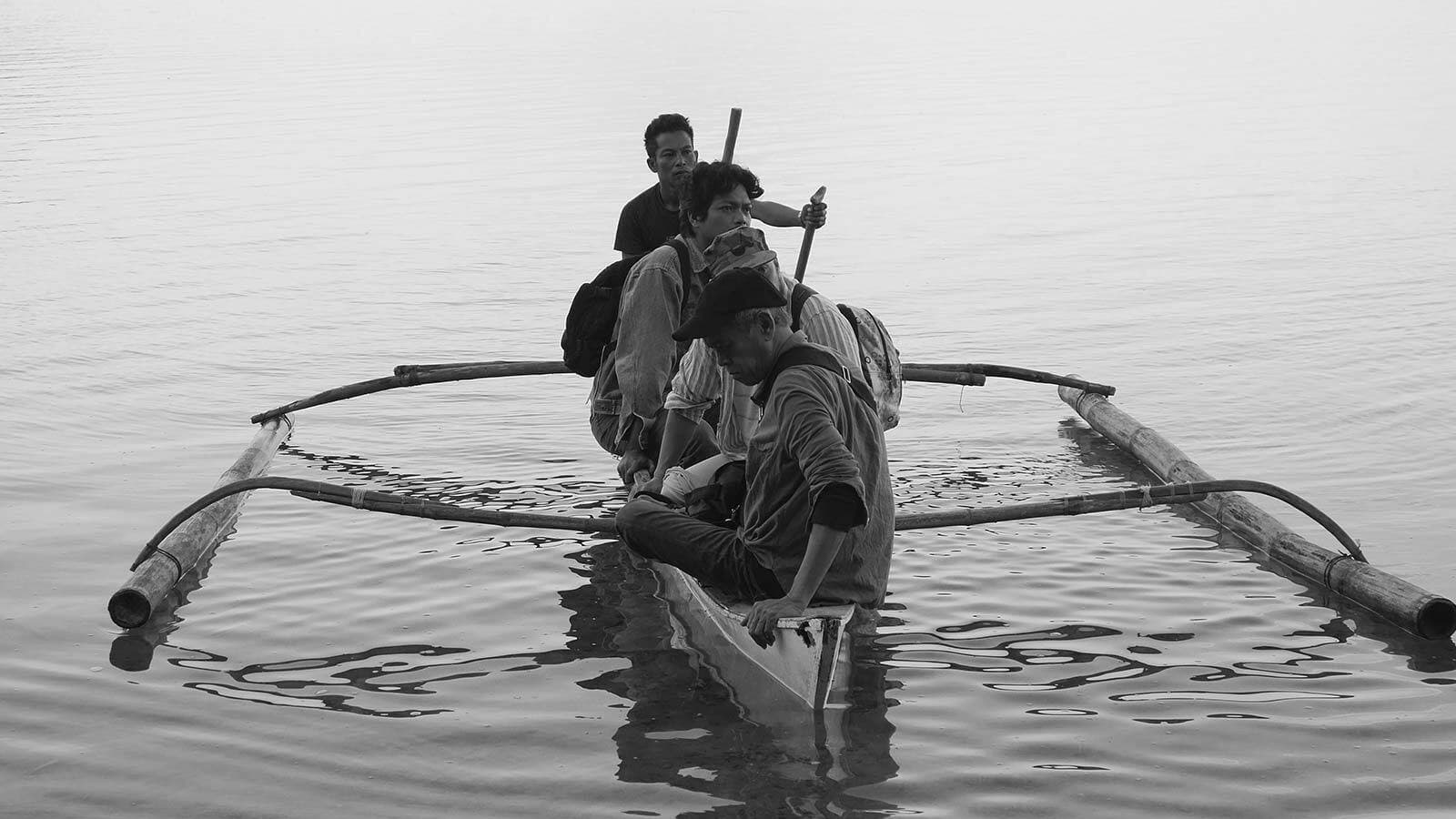
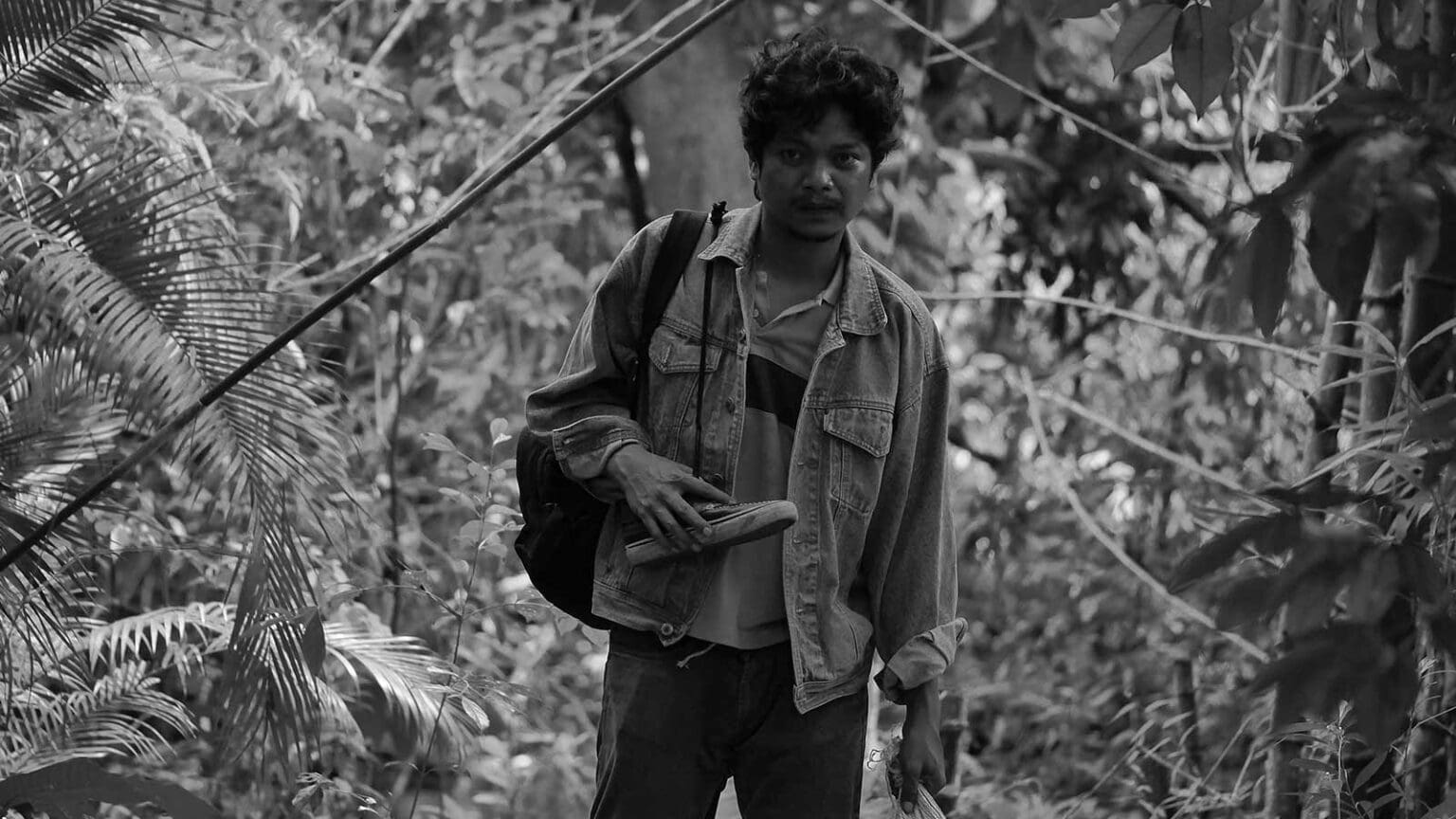
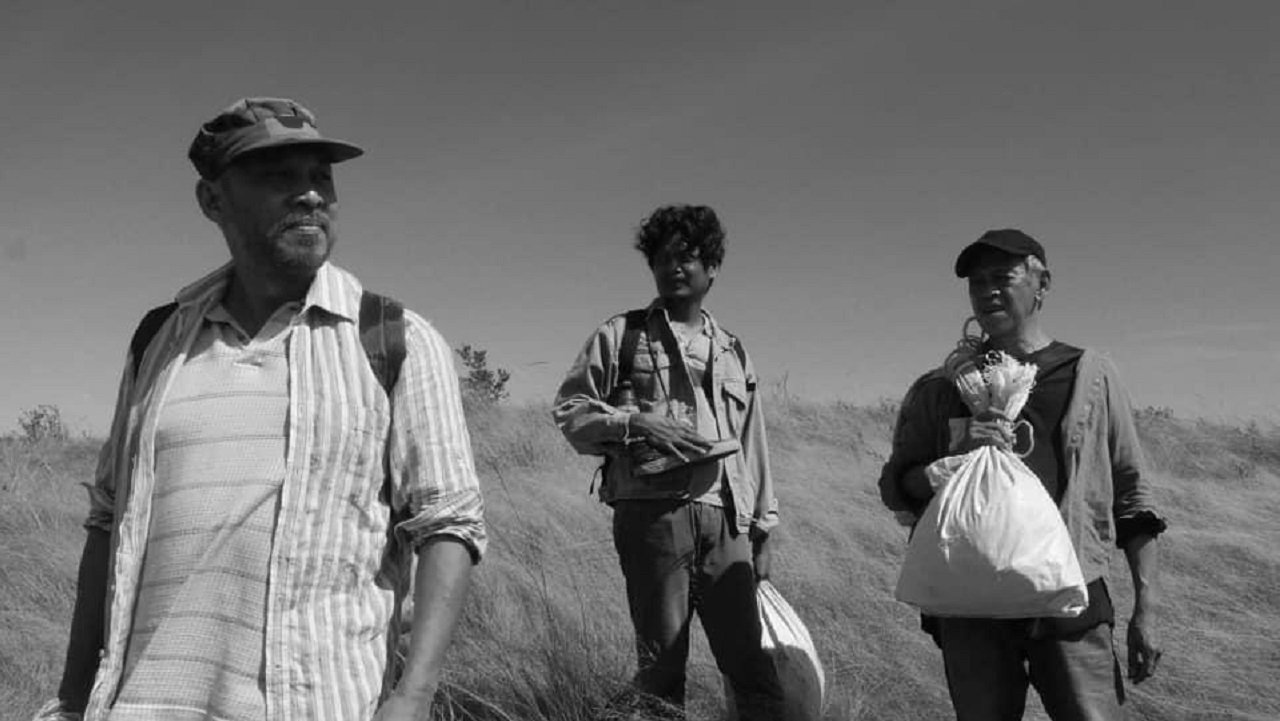
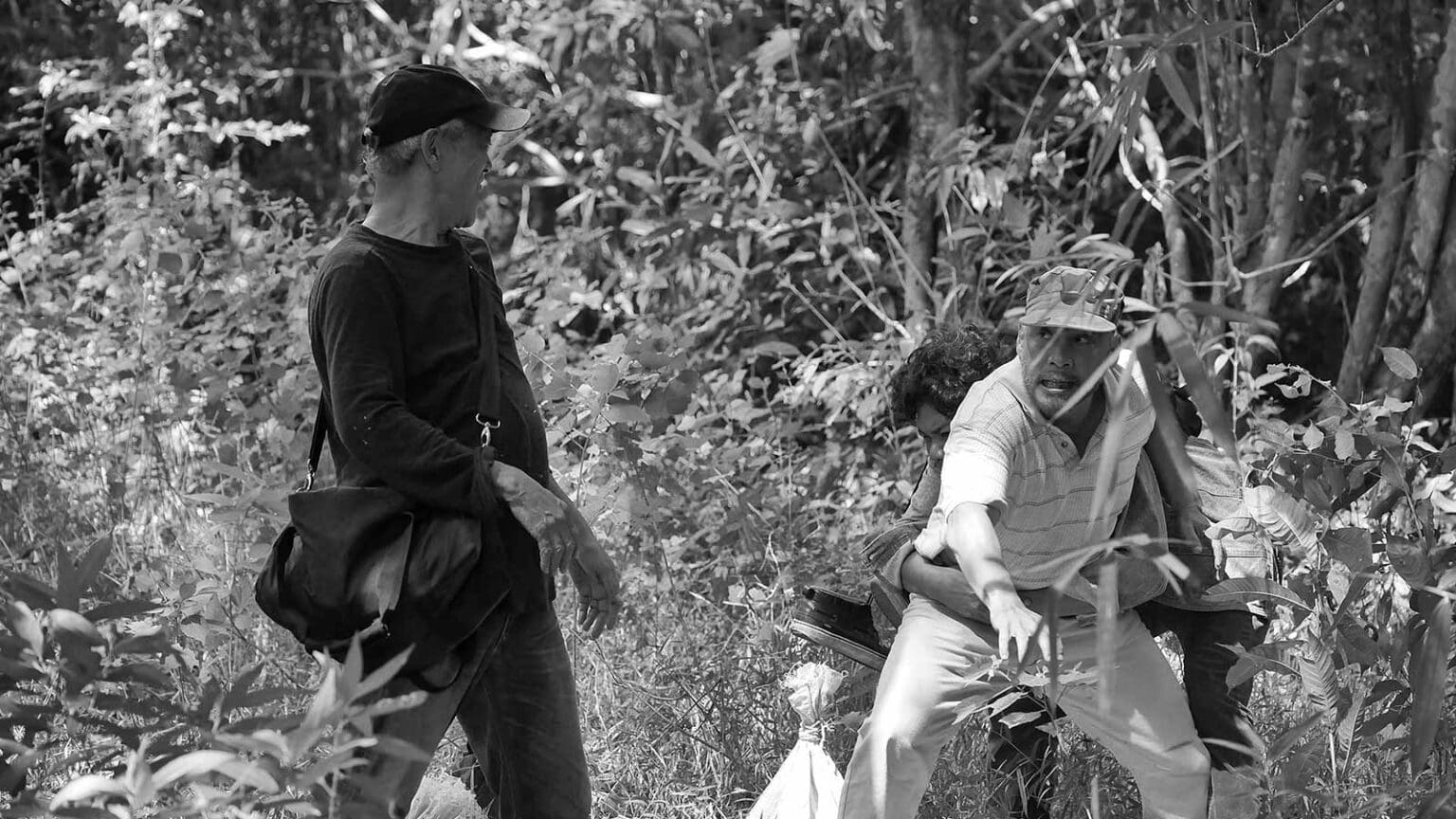
A mix of thriller, western style atmosphere, and drama about greed and the “animal side” of human beings, “Genus Pan” tells, in its first half, the story of three men (from three different generations) traveling across the remote island of Hugaw, crossing water, mountains, and jungles. There is the oldest one, “Baldo”, the intellectual one, Paulo, and the youngest, Andres. The characters are returning after getting paid for several weeks of work in a gold mine, and the presence of money (along with some personal debts between them) creates tension and sparks conflicts after heavy drinking.
Shot in beautiful black and white (Lav Diaz is also the cinematographer), the film deals with topics such as the history of the region (where Americans and Japanese once exploited the land ), religion, myths, and legends. Still, even though the images are striking, and there is strong use of off-screen space along with a structure that keeps the tension and mystery alive until the final two scenes, there is also something maybe too simple and conventional about it, at least compared to Diaz’s other work.
In terms of style (lots of long, still shots), themes (usually Filipino history and traditions), and length (his films last many hours), the work of Lav Diaz is definitely not among the most mainstream in modern filmmaking.
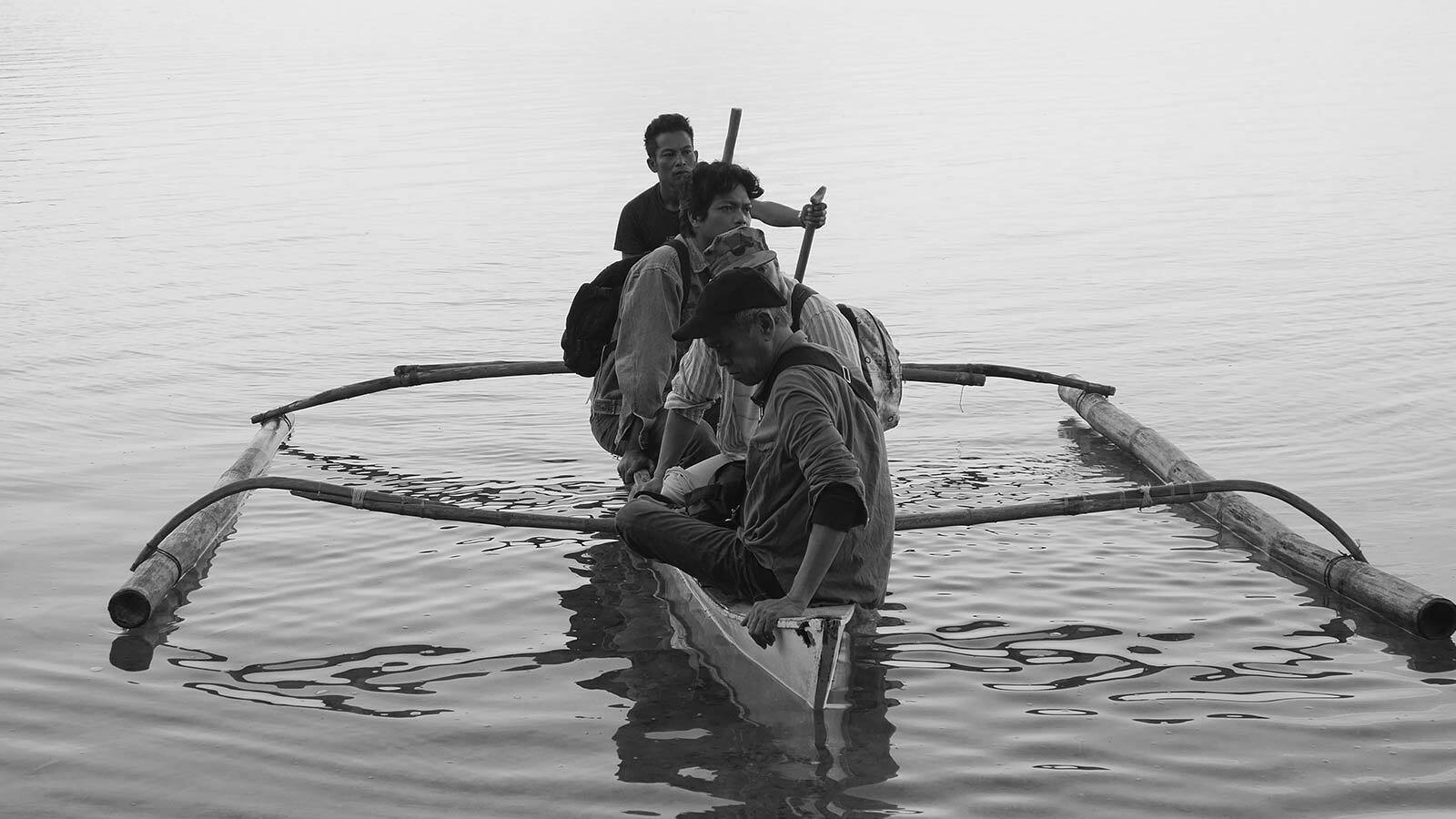
A mix of thriller, western style atmosphere, and drama about greed and the “animal side” of human beings, “Genus Pan” tells, in its first half, the story of three men (from three different generations) traveling across the remote island of Hugaw, crossing water, mountains, and jungles. There is the oldest one, “Baldo”, the intellectual one, Paulo, and the youngest, Andres. The characters are returning after getting paid for several weeks of work in a gold mine, and the presence of money (along with some personal debts between them) creates tension and sparks conflicts after heavy drinking.
Shot in beautiful black and white (Lav Diaz is also the cinematographer), the film deals with topics such as the history of the region (where Americans and Japanese once exploited the land ), religion, myths, and legends. Still, even though the images are striking, and there is strong use of off-screen space along with a structure that keeps the tension and mystery alive until the final two scenes, there is also something maybe too simple and conventional about it, at least compared to Diaz’s other work.