------------------------------------------------------------------------------
Day 286 of 365 of
my year long challengeWeek 41: Politics
-----------------------------------------------------------------------------
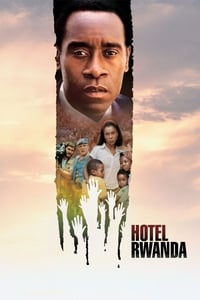
There's no way to avoid comparing this to the more widely known
Hotel Rwanda only insofar as they share a central event. Beyond that, though,
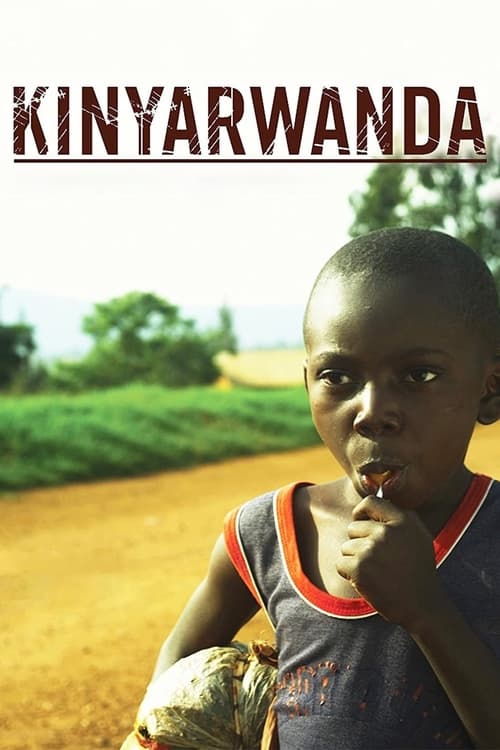
Kinyarwanda is an effortlessly more powerful film that will catch you off guard.
Across a series of vignettes,
Kinyarwanda explores the Rwandan genocide from all sides. There is no conventional narrative to speak of beyond the continuing stories of key characters from the beginning of the Rwandan genocide and after its conclusion. A young, mixed couple fall in love, a Priest and an Imam must find faith for themselves and others. Soldiers must justify why they fight, Interahamwe must rationalise their hatred. All the while, forgiveness is a central theme.
This is a film that extends well past the Hollywood tropes of socio-political tragedy. Not everyone or every story ends in happiness, revenge is not sought but forgiveness is given. This is a film about incredible true stories crossing paths and changing lives. Most impressively,
Kinyarwanda jumps between stories and characters. It's easy enough to put together the chronology of things as the pieces fall into place but separate, these vignettes are moments of humanity rather than plot.
Kinyarwanda doesn't revel in violence and gore. It is, in fact, surprisingly bloodless. The power and impact of the fear, violence and hatred are better read and felt in the desperation and faltering of those most impacted. And this goes for Hutu and Tutsi alike. There are powerful moments of confession by the men who killed and hurt, as well as the dawning realisation of what they've done. Some beg for forgiveness, some stay silent but all are knowing of their crimes.
Interestingly,
Kinyarwanda also seems to be making a case for the forgiveness and understanding of Muslims. Even during the genocide, Muslims were distrusted and left to live their lives apart from the horror. But, as it happens, Allah preaches peace, forgiveness and compassion, and it is the Muslim community who are the closest
Kinyarwanda has to heroes. In a world where they still receive no trust or respect, where they're lumped together as villains and brutes,
Kinyarwanda wants to show and tell of their true heart. It's a powerful thing that resonates more than one might expect.
Nevertheless,
Kinyarwanda broadcasts a message of peace, forgiveness and compassion regardless of colour, tribe or creed. There are no Hutu or Tutsi in this post-genocide Rwanda, at least not for those most affected. Instead, there are only Rwandans and in that,
Kinyarwanda proves itself to be a more inspiring and more powerful film than any might hope to imagine.