Squandered Potential
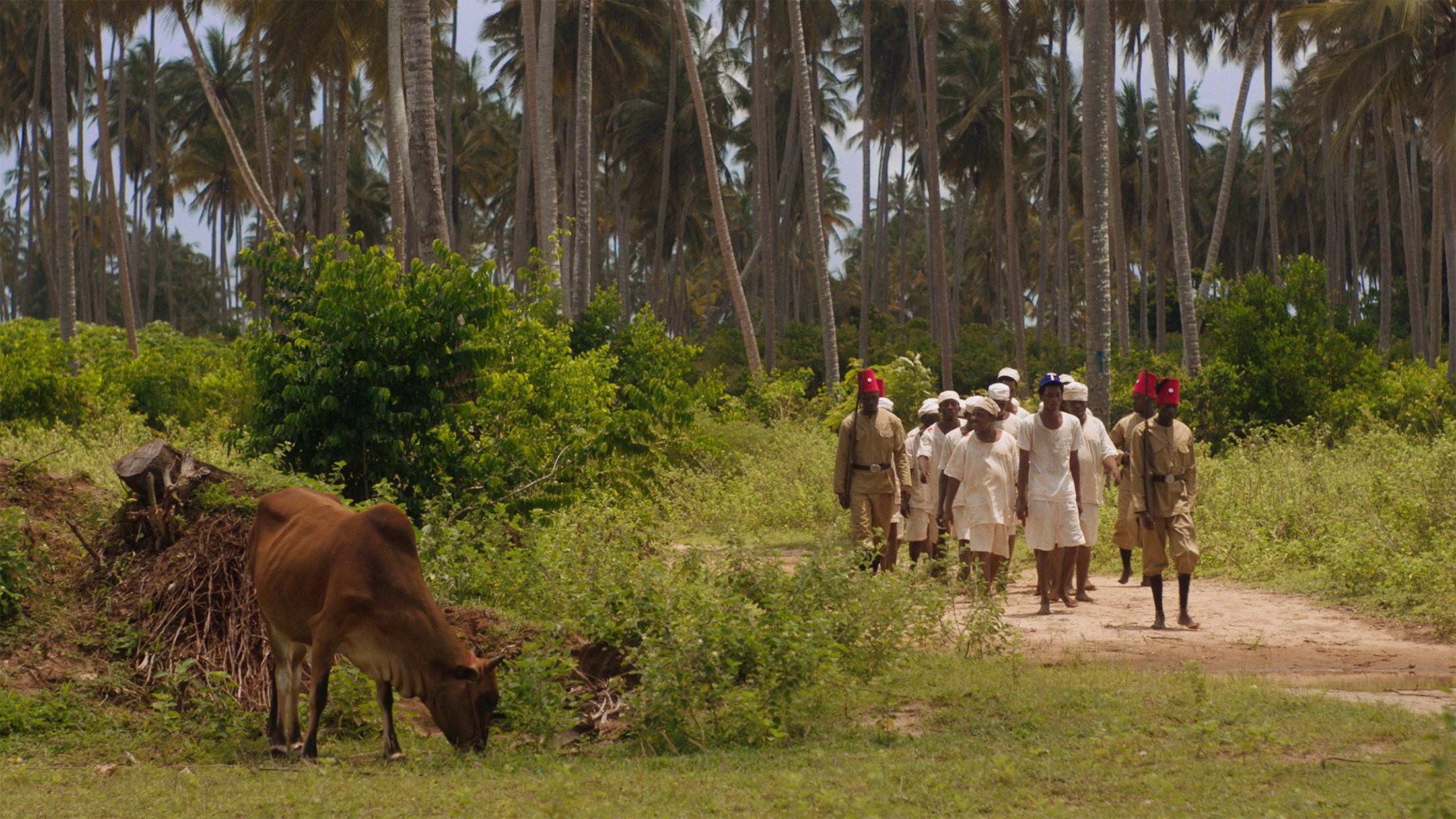
It’s almost a pity that I could only find this film in a poor Hindi dub because it distracted me from its greatest asset—its production. Simply put, this is a beautiful movie to look at and listen to.
Unfortunately, that left me focusing on its flaws instead. The biggest offender? The editing and pacing actively degrades the film. It starts in media res, but in such an awkward way that you’re left wondering if you accidentally skipped the first 10 minutes. Then, about 20 minutes in, it abruptly jumps into a 30-minute flashback before returning to the present. In theory, this could have been an effective storytelling device, but in execution, it just makes the film feel disjointed. Worse, the flashback barely adds any meaningful context, and the way it’s edited makes it feel like it all happened just a week ago. The scene-to-scene editing is extremely sloppy and fails consistently to convey effectively both the sequence of the events and the passage of time.
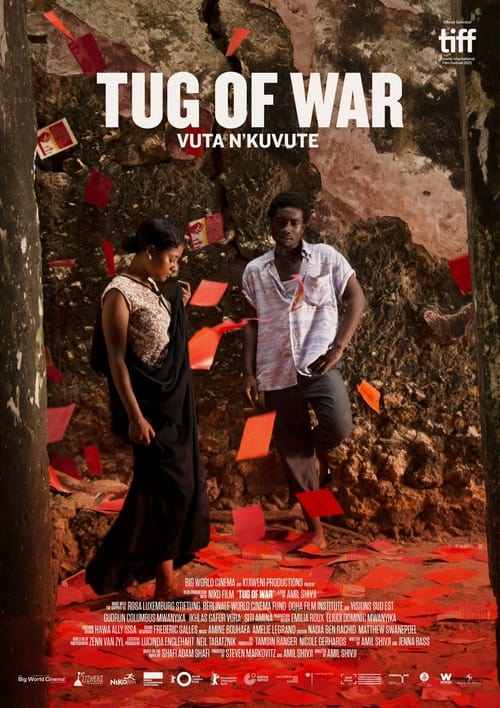
Beyond the editing issues, the storytelling itself squanders a fantastic premise. A romance between an Indian woman and a Zanzibari communist revolutionary fighting for his people’s independence? That alone should have made for a gripping film. But the movie fails to fully depict the extent of British oppression on the island. You get that there’s a harsh police state in place, but the film doesn’t do enough worldbuilding to make the audience truly understand or empathize with the revolutionary’s cause. It doesn’t help that our protagonist—the revolutionary himself—is, ironically, the weakest part of the film.
Instead of coming across as a compelling freedom fighter, he’s reckless and destructive, constantly making decisions that put himself and his comrades in danger. It’s fine for a character to have flaws, but the narrative doesn’t support them—it doesn’t explore them, challenge them, or make them meaningful. Worse, whenever he speaks about politics or activism, he sounds less like a revolutionary and more like a parody of one—a "rebel without a cause" caricature. And I know that this wasn't on purpose since the film was funded by the freaking Rosa Luxemburg Stiftung. Every time he discusses his philosophy and activism with someone who challenges his ideas and articulates their profound and realistic beliefs —whether it's the old exiled Marxist mentor or his uneducated girlfriend—he ends up sounding incredibly stupid in comparison.
Speaking of his girlfriend, their relationship is practically nonexistent. Before the flashback, the film makes it seem like they have a long and meaningful history together. But due to the editing, it almost seems like they’ve met maybe twice over a few days, and yet suddenly she’s in love with him, she is willing to risk her life to save him, and even take up his political cause after he’s gone.
This movie does so many things competently and beautifully that is not hard to imagine a good version of it with few changes in the writing and editing.
Squandered Potential
It’s almost a pity that I could only find this film in a poor Hindi dub because it distracted me from its greatest asset—its production. Simply put, this is a beautiful movie to look at and listen to.
Unfortunately, that left me focusing on its flaws instead. The biggest offender? The editing and pacing actively degrades the film. It starts in media res, but in such an awkward way that you’re left wondering if you accidentally skipped the first 10 minutes. Then, about 20 minutes in, it abruptly jumps into a 30-minute flashback before returning to the present. In theory, this could have been an effective storytelling device, but in execution, it just makes the film feel disjointed. Worse, the flashback barely adds any meaningful context, and the way it’s edited makes it feel like it all happened just a week ago. The scene-to-scene editing is extremely sloppy and fails consistently to convey effectively both the sequence of the events and the passage of time.
Beyond the editing issues, the storytelling itself squanders a fantastic premise. A romance between an Indian woman and a Zanzibari communist revolutionary fighting for his people’s independence? That alone should have made for a gripping film. But the movie fails to fully depict the extent of British oppression on the island. You get that there’s a harsh police state in place, but the film doesn’t do enough worldbuilding to make the audience truly understand or empathize with the revolutionary’s cause. It doesn’t help that our protagonist—the revolutionary himself—is, ironically, the weakest part of the film.
Instead of coming across as a compelling freedom fighter, he’s reckless and destructive, constantly making decisions that put himself and his comrades in danger. It’s fine for a character to have flaws, but the narrative doesn’t support them—it doesn’t explore them, challenge them, or make them meaningful. Worse, whenever he speaks about politics or activism, he sounds less like a revolutionary and more like a parody of one—a "rebel without a cause" caricature. And I know that this wasn't on purpose since the film was funded by the freaking Rosa Luxemburg Stiftung. Every time he discusses his philosophy and activism with someone who challenges his ideas and articulates their profound and realistic beliefs —whether it's the old exiled Marxist mentor or his uneducated girlfriend—he ends up sounding incredibly stupid in comparison.
Speaking of his girlfriend, their relationship is practically nonexistent. Before the flashback, the film makes it seem like they have a long and meaningful history together. But due to the editing, it almost seems like they’ve met maybe twice over a few days, and yet suddenly she’s in love with him, she is willing to risk her life to save him, and even take up his political cause after he’s gone.
This movie does so many things competently and beautifully that is not hard to imagine a good version of it with few changes in the writing and editing.