60/100
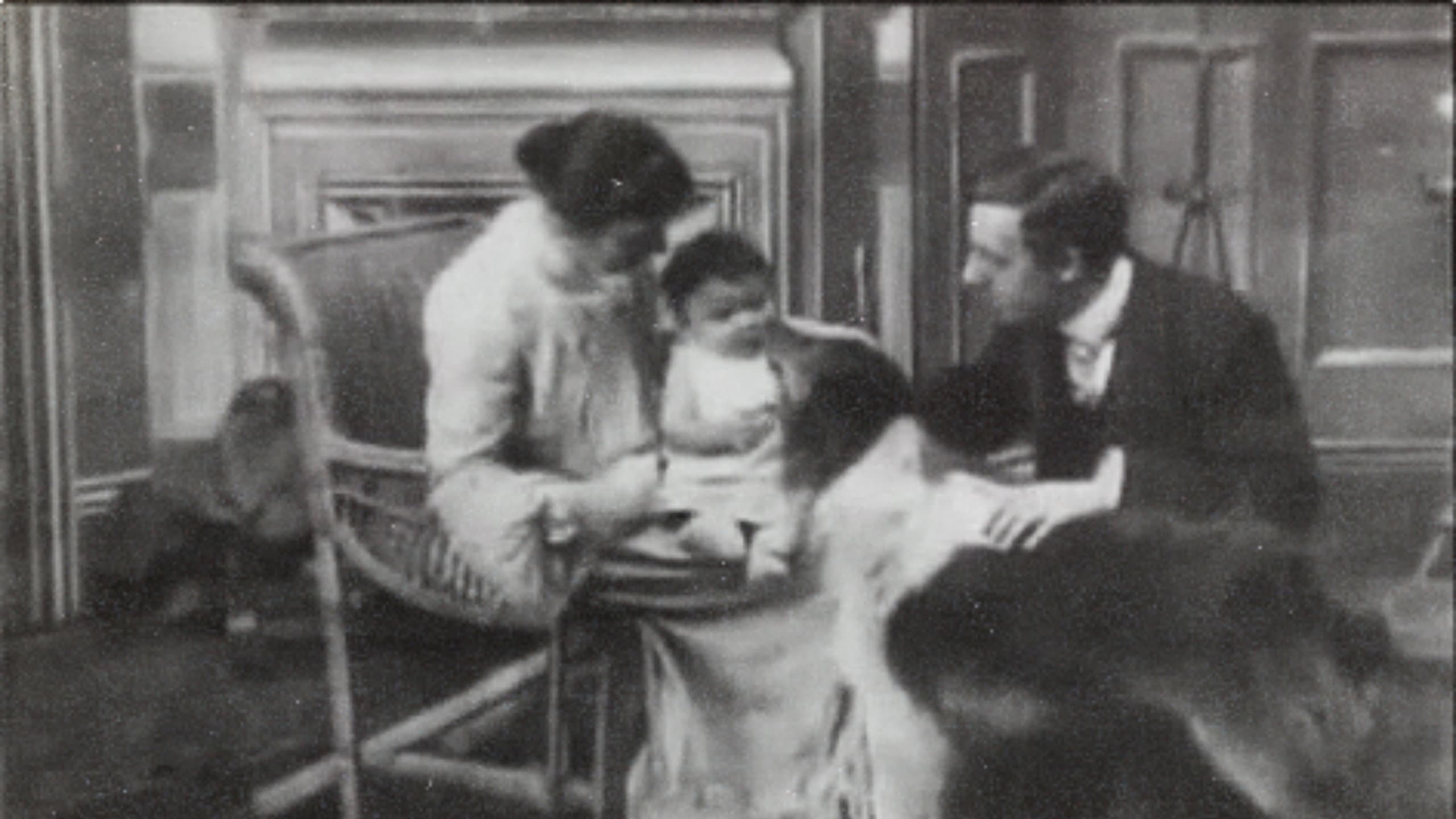
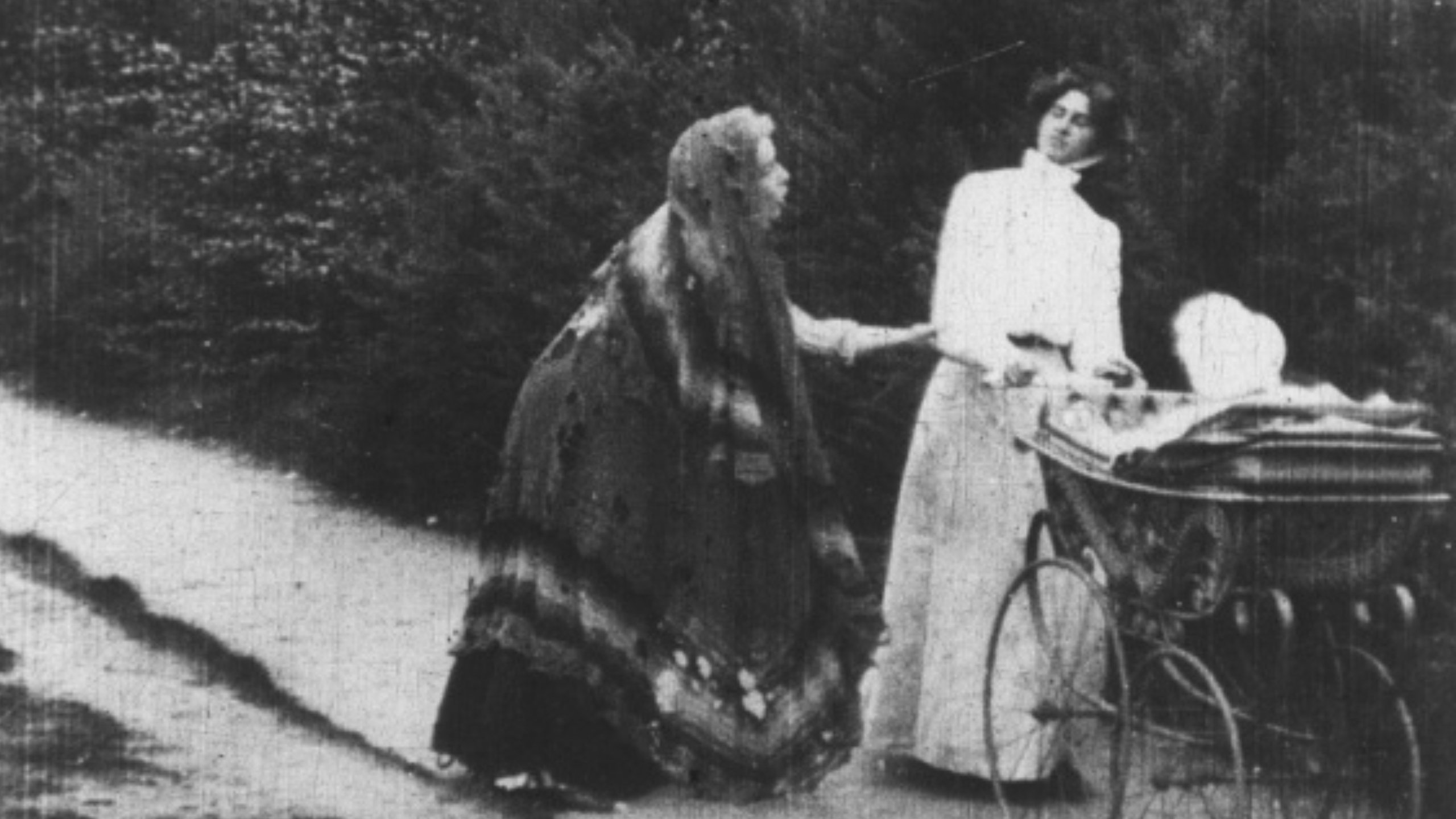
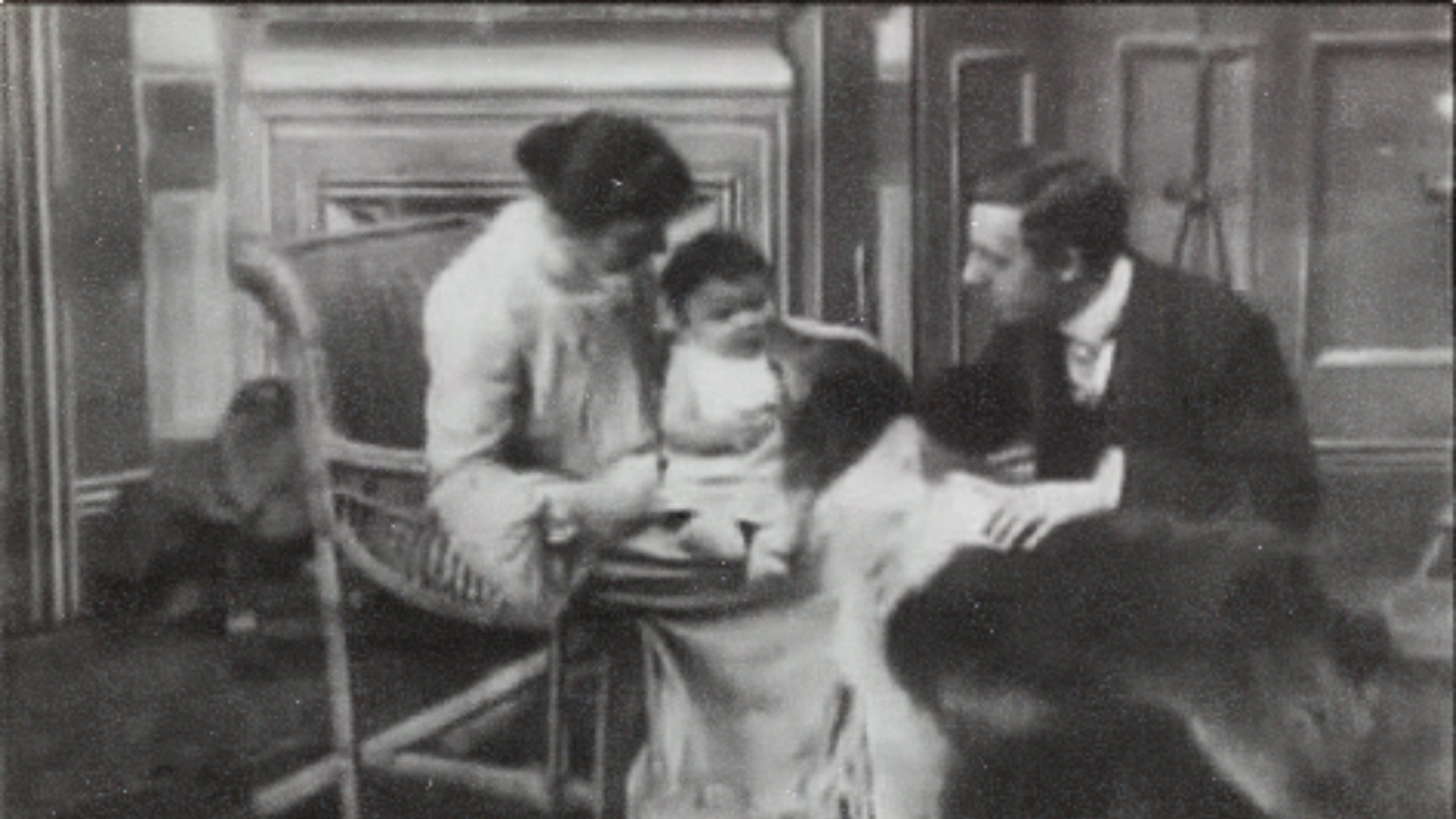
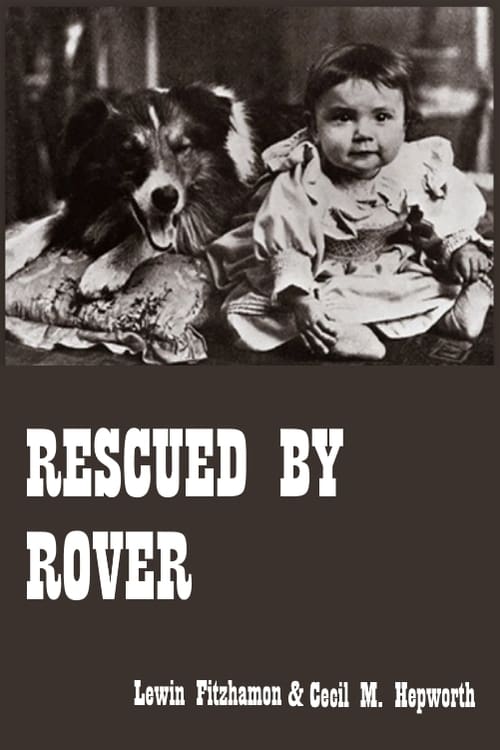
The story’s exactly what the title says: a child is kidnapped, the dog sees it happen, runs home, alerts the family, and leads the father back to the hiding spot. It’s cleanly told, logically sequenced, and moves with real momentum. There’s no wasted time, no pointless flourishes, just direct, visual storytelling.
The editing holds up surprisingly well. It cuts across different locations and makes spatial sense the entire way. You know where characters are, what they’re doing, and why it matters. That’s more than most early films can say.
It’s still shot simply, wide frames, no close-ups, but the way the characters move, the way the dog acts with such purpose, and the pacing of the rescue actually generate feeling. You don’t need intertitles to understand what’s happening, or to care.
Technically, it’s clean and economical. Narratively, it works. But it’s that extra bit of emotional clarity, simple, primal, but present, that elevates it above its peers.
60/100
The story’s exactly what the title says: a child is kidnapped, the dog sees it happen, runs home, alerts the family, and leads the father back to the hiding spot. It’s cleanly told, logically sequenced, and moves with real momentum. There’s no wasted time, no pointless flourishes, just direct, visual storytelling.
The editing holds up surprisingly well. It cuts across different locations and makes spatial sense the entire way. You know where characters are, what they’re doing, and why it matters. That’s more than most early films can say.
It’s still shot simply, wide frames, no close-ups, but the way the characters move, the way the dog acts with such purpose, and the pacing of the rescue actually generate feeling. You don’t need intertitles to understand what’s happening, or to care.
Technically, it’s clean and economical. Narratively, it works. But it’s that extra bit of emotional clarity, simple, primal, but present, that elevates it above its peers.