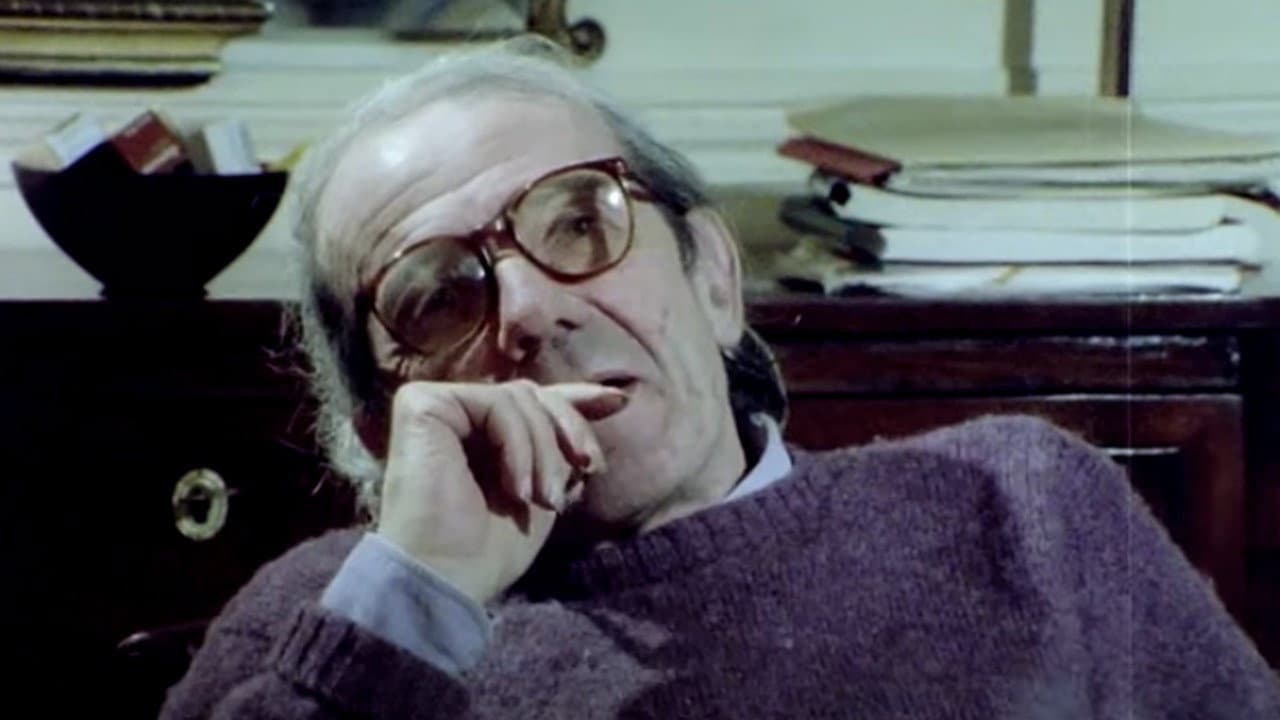
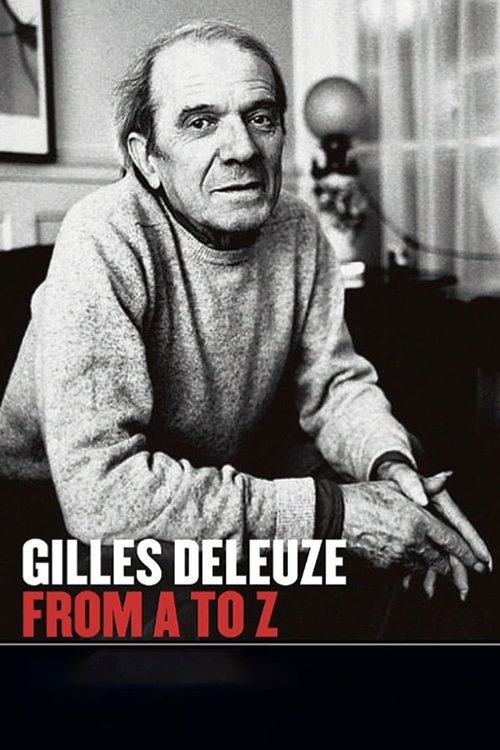
I came home in a daze after having dinner with friends last night, I put on ‘H pour histoire de la philosophie’ without realising it was 30 years since he died. I’ve been off of Deleuze for years, but there’s a certain charm to him. I was really taken by his analogy between the relation between history of philosophy and philosophy, and colour in the development of Gauguin and Van Gogh’s paintings, and also re: portraiture and painting. Maybe I’ll start telling everyone I do portraiture as a joke.
<i>‘Something like color for a painter is something that can take him/her into madness, into insanity, thus it is something quite difficult, taking years to dare to come close to it. […] I believe that the history of philosophy is this slow modesty, taking a long time doing portraits, one has to do portraits. It’s as if a novelist were to tell us, “well, I write novels, but you know, I never read them in order never to compromise my inspiration. Dostoyevsky, nope, don’t know him.” I’ve heard young novelists make such frightening statements…. which comes down to saying, I don’t need to work. So, given that whatever one does, you have to work hard for a long time before engaging with something, the history of philosophy has this role that is not only preparatory, it succeeds quite well by itself. It is the art of portraiture in so far as it allows one to reach toward something‘.</i>
I came home in a daze after having dinner with friends last night, I put on ‘H pour histoire de la philosophie’ without realising it was 30 years since he died. I’ve been off of Deleuze for years, but there’s a certain charm to him. I was really taken by his analogy between the relation between history of philosophy and philosophy, and colour in the development of Gauguin and Van Gogh’s paintings, and also re: portraiture and painting. Maybe I’ll start telling everyone I do portraiture as a joke.
<i>‘Something like color for a painter is something that can take him/her into madness, into insanity, thus it is something quite difficult, taking years to dare to come close to it. […] I believe that the history of philosophy is this slow modesty, taking a long time doing portraits, one has to do portraits. It’s as if a novelist were to tell us, “well, I write novels, but you know, I never read them in order never to compromise my inspiration. Dostoyevsky, nope, don’t know him.” I’ve heard young novelists make such frightening statements…. which comes down to saying, I don’t need to work. So, given that whatever one does, you have to work hard for a long time before engaging with something, the history of philosophy has this role that is not only preparatory, it succeeds quite well by itself. It is the art of portraiture in so far as it allows one to reach toward something‘.</i>